






USPAP-compliant appraisals by best-in-class appraisers
.avif)
Joe Kattan

Anne Hay, ISA AM

Jason Dolph, CAGA

Ashley Innes, ISA AM

Aron Blue
About AppraiseItNow's Piano Appraisal Services
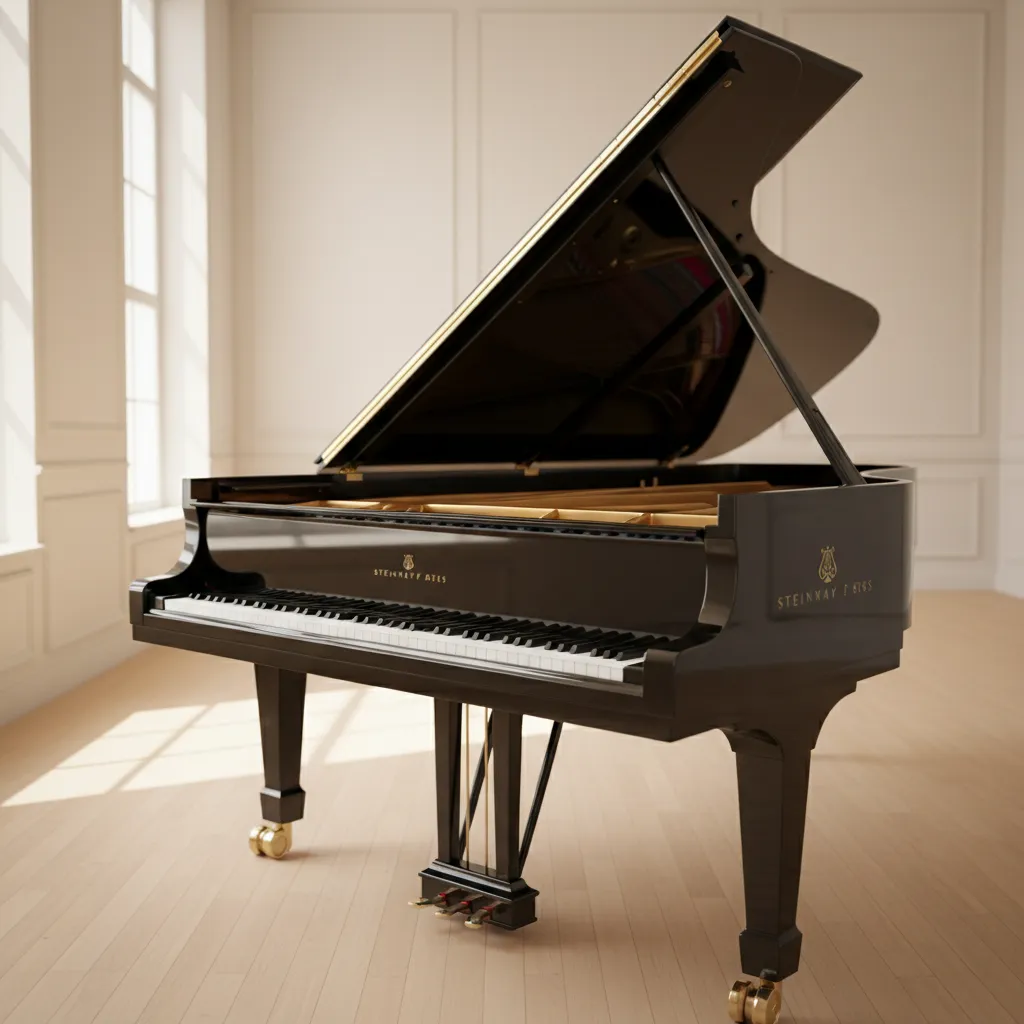
AppraiseItNow provides professional piano appraisals for estate tax reporting, charitable donation filings (IRS Form 8283), insurance coverage and claims, divorce proceedings, and probate. Pianos present unique valuation challenges due to the wide range of manufacturers, ages, conditions, and configurations in the market, from mass-produced uprights to hand-crafted concert grands. As a specialized subset of professional personal property valuations, piano appraisals require appraisers who understand both the instrument market and the mechanical factors that drive value. Our mission is to deliver defensible, USPAP-compliant valuations with exceptional speed, professionalism, and client service.
Our appraisers serve individual owners, estates, music schools, performing arts organizations, attorneys, CPAs, and insurance professionals who need an independent, credentialed opinion of value. Many piano appraisals can be completed remotely using photographs, serial numbers, and supporting documentation, though onsite inspection may be coordinated for high-value instruments, concert grands, or collections where condition assessment requires direct examination. We offer Fair Market Value (FMV), Replacement Value, and Actual Cash Value (ACV) appraisals for various intended uses.
What Types of Pianos Do We Appraise?
Piano appraisal is not one-size-fits-all. Value varies dramatically based on instrument type, brand heritage, age, mechanical condition, and restoration history. We appraise:
- Upright pianos, including spinet, console, studio, and full upright configurations
- Baby grand and parlor grand pianos
- Concert grand pianos
- Player pianos and reproducing pianos
- Antique and Victorian-era pianos
- Steinway, Bosendorfer, Fazioli, and other premium European and American brands
- Asian-manufactured pianos from brands such as Yamaha, Kawai, and Samick
- Restored or rebuilt pianos with documented work histories
- Pianos with custom cabinetry, rare veneers, or decorative case modifications
Who Does AppraiseItNow Serve?
AppraiseItNow serves individual piano owners, collectors, estates, and music institutions alongside attorneys, CPAs, and insurance professionals who require a credentialed, independent valuation for legal, tax, or coverage purposes.
5-Star Valuation Services, Loved by Hundreds
{{sectionName}}

{{sectionName}}
{{sectionName}}
{{sectionName}}
.svg)
View all Locations
How our Valuation Process Works
Written USPAP-compliant personal property appraisals for when defensibility matters.
Given the USPAP-compliant nature of AppraiseItNow’s appraisal reports, we prepare our deliverables for major legal, tax, and financial reporting purposes for individual and commercial clients.
Popular uses of our appraisal reports include:
Taxes, Estates & Financial Planning
- Gift Tax - IRS Form 709
- Estate Tax - IRS Form 706
- Charitable Donations - IRS Form 8283
- Estate planning, equitable distribution, and probate
- Loan Purposes
Life Events & Special Circumstances
- Divorce
- Social Security reporting or Medicaid Application Filings
- E-2 visa applications
Insurance & Risk Management
- Insurance coverage
- Insurance claims
- Third-party & legal damage claims
What types of pianos does AppraiseItNow appraise?
AppraiseItNow appraises all categories of pianos, from concert grands and baby grands to upright, studio, spinet, and antique square grand pianos. We cover instruments by major manufacturers such as Steinway, Bösendorfer, Yamaha, Baldwin, and Kawai, as well as lesser-known and vintage makers. Whether your piano is a modern performance instrument, a Victorian parlor piece, or a mid-century upright, our appraisers can provide a credible, documented valuation.
Are your piano appraisals USPAP-compliant?
Yes. All piano appraisals completed by AppraiseItNow conform to the Uniform Standards of Professional Appraisal Practice, specifically Standards 7 and 8, which govern the development and reporting of personal property appraisals. Standard 7 requires competent analysis of the piano's physical, legal, and economic characteristics along with relevant market data, while Standard 8 mandates a report that clearly identifies the client, intended use, effective date, valuation methods, and any assumptions or limiting conditions. Our reports are accepted by the IRS, insurance carriers, courts, and other institutional parties.
What are common reasons someone needs a piano appraisal?
Piano owners seek professional appraisals for a wide range of legal, financial, and personal purposes, including:
- Insurance coverage, to establish a replacement value for scheduling the instrument on a homeowner or specialty policy
- Charitable donation, where an IRS-qualified appraisal is required for any piano donated with a claimed fair market value of $5,000 or more (Form 8283, Section B)
- Estate settlement and probate, to establish fair market value for equitable distribution among heirs
- Estate tax reporting on IRS Form 706
- Divorce and equitable distribution proceedings
- Damage claims after fire, flood, or transit loss
- Bankruptcy filings and loan collateral
Can you appraise pianos in poor condition, with unknown provenance, or with limited documentation?
Yes. Appraisers are trained to work with instruments across the full condition spectrum, from concert-ready grands to pianos with cracked soundboards, worn pinblocks, or missing parts. Unknown provenance is common, and our appraisers use the serial number found inside the cabinet along with resources such as the Pierce Piano Atlas to establish manufacturer identity and approximate age. Limited documentation does not disqualify an appraisal; the appraiser will note any assumptions or limiting conditions in the report as required by USPAP.
Can you appraise large collections or multiple pianos?
Yes. AppraiseItNow handles everything from single-instrument appraisals to multi-piano collections held by estates, schools, performance venues, or dealers. Volume pricing is available for larger assignments, and our team can coordinate logistics for collections that span multiple locations. Whether you have two pianos in a home or fifty instruments across a campus, we can structure the engagement to meet your timeline and budget.
Do you provide online or remote piano appraisals?
Most piano appraisals are completed remotely using photographs, serial number documentation, and supporting records you provide. Remote appraisals are efficient, cost-effective, and fully USPAP-compliant for the majority of intended uses. For larger projects, complex collections, or situations where a physical inspection is required by scope or by an institutional party, we can coordinate an in-person appraiser anywhere in the United States.
How much does a piano appraisal cost?
Piano appraisal fees depend on the intended use, complexity, and number of instruments. Standard appraisals for insurance coverage, personal use, probate, and estate distribution start at $195, while advanced appraisals for charitable donations, estate tax, insurance claims, divorce, and legal proceedings start at $295. Volume pricing is available for collections:
- 1 piano: $195 to $495
- 10 pianos: $695 to $1,200
- 50 to 100 or more pianos: $1,600 to $3,500 and up
All fees are quoted as a fixed price before work begins, so there are no surprises.
Do you offer discounted pricing for large volumes?
Yes. Collection pricing is available for assignments involving multiple pianos, and the per-instrument cost decreases as the number of items increases. A single piano appraisal typically falls in the $195 to $495 range, while a collection of 50 to 100 or more instruments can be completed for $1,600 to $3,500 and up, representing meaningful savings compared to individual pricing. Contact us to discuss your specific collection and we will provide a fixed-fee quote before work begins.
How long does a piano appraisal take?
Most remote piano appraisals are completed within 7 to 10 business days from the time we receive all necessary documentation and photographs. Onsite inspections or larger multi-piano collections typically require 2 to 3 weeks to accommodate scheduling and travel. Rush service is available for same-day or next-day turnaround upon request if your situation requires an expedited report.
Who prepares the appraisal report?
Piano appraisal reports are prepared by credentialed personal property appraisers with specific expertise in musical instruments and related markets. Each appraiser follows USPAP Standards 7 and 8 throughout the development and reporting process. The completed report identifies the appraiser by name, credentials, and qualifications, and includes a certification that the appraiser has no financial interest in the property and has conducted the appraisal independently.
Are your appraisers ISA, ASA, or AAA credentialed?
Yes. AppraiseItNow's personal property appraisers hold credentials from recognized professional bodies including the International Society of Appraisers (ISA) and the American Society of Appraisers (ASA). These designations require completion of USPAP coursework, demonstrated competency in personal property valuation, and ongoing continuing education. Credentialed appraisers meet the IRS definition of a "qualified appraiser" for purposes of Form 8283 and Form 706 filings.
Do you prepare appraisals for IRS Form 8283 (Noncash Charitable Contributions)?
Yes. When a piano is donated to a qualifying organization and the claimed fair market value is $5,000 or more, IRS regulations require a qualified appraisal completed by a qualified appraiser, with the results reported on Form 8283, Section B. Our appraisals include all required elements: a description of the instrument, the effective date of valuation, the fair market value opinion, the appraiser's qualifications, and a signed declaration of independence. We also provide a photograph of the instrument as recommended by IRS guidance.
Do you prepare appraisals for IRS Form 706 (Estate Tax)?
Yes. If a decedent's gross estate exceeds the applicable exemption threshold (currently $13.61 million for 2025), a federal estate tax return on Form 706 is required, and pianos valued above $3,000 as individual items generally require a qualified appraisal to support the reported fair market value. Our appraisers are qualified to provide these valuations and will deliver a USPAP-compliant report suitable for attachment to the estate tax return. We work directly with estate attorneys and executors to meet filing deadlines.
Do you buy, sell, or broker pianos?
No. AppraiseItNow is an independent appraisal firm and does not buy, sell, or broker pianos or any other personal property. This independence is a core requirement of USPAP and the IRS definition of a qualified appraiser, ensuring that our valuations are objective and free from any financial interest in the outcome. If you need a referral to a dealer or auction house after your appraisal is complete, we are happy to point you in the right direction.
What information do you need to get started?
To begin a piano appraisal, it helps to gather the following before submitting your request:
- Clear photographs of the full instrument from multiple angles, including the keyboard, lid, legs, and any visible damage
- The serial number, typically found inside the cabinet on the plate or soundboard
- The make and model if known
- Any documentation of prior restoration, tuning history, or repairs
- The intended use of the appraisal (insurance, donation, estate, divorce, etc.)
- Any existing purchase receipts, prior appraisals, or provenance records
Providing this information upfront allows us to assign the right appraiser and deliver your report as quickly as possible.
Can AppraiseItNow appraise pianos located anywhere in the U.S.?
Yes. Remote piano appraisals are available to clients in all 50 states, and the majority of assignments are completed without requiring a physical visit. For larger collections, complex instruments, or situations where an in-person inspection is necessary, we can coordinate a qualified appraiser to travel to any state in the country. No matter where your piano is located, you will receive the same USPAP-compliant report and level of service.
Will my appraisal be accepted by the IRS, insurers, or courts?
Yes. Our appraisal reports are prepared by credentialed, qualified appraisers following USPAP Standards 7 and 8, which are the benchmarks required by the IRS, insurance carriers, and courts. For IRS purposes, our appraisers meet the definition of a "qualified appraiser" under Treasury Regulations, and our reports include all elements required for Form 8283 and Form 706 filings. Insurance carriers and legal proceedings also routinely accept our reports because they are independently prepared, fully documented, and defensible under cross-examination.
Does the type of value requested (replacement value vs. fair market value) affect my piano appraisal?
Yes, and the distinction matters significantly. Replacement value, used for insurance coverage, reflects the cost to purchase a comparable piano at retail today, which can be 30 to 70 percent higher than fair market value. Fair market value, required for charitable donations, estate tax, and divorce proceedings, represents what a willing buyer would pay a willing seller in an open market, typically closer to auction or dealer resale prices. Using the wrong value type for the wrong purpose is one of the most common reasons the IRS disallows piano donation deductions, so it is important to specify your intended use before the appraisal begins.
Can a piano technician or dealer provide an appraisal that the IRS or insurer will accept?
Generally no. Piano technicians and dealers can offer useful condition assessments, but their estimates are not USPAP-compliant and do not meet the IRS definition of a qualified appraisal. The IRS requires that the appraiser have no financial interest in the property and possess specific education and experience in valuation methodology, criteria that most technicians and dealers do not satisfy. An appraisal from a piano store or tuner is routinely rejected for Form 8283 filings and may also be insufficient for insurance scheduling or litigation purposes.
What does a piano appraiser actually inspect, and why does it affect value so much?
A thorough piano appraisal goes well beyond appearance. Appraisers examine the pinblock for compression (loose tuning pins that cause pitch instability can cost $10,000 or more to rebuild), check the soundboard and bridges for cracks or belly swell, evaluate hammer felts for grooving and density, and assess the action regulation across all keys. Restoration history is also scrutinized carefully: over-restored instruments with non-reversible modifications such as phenolic keytops replacing original ivory can actually sell for 20 to 50 percent less at auction than playable originals in honest condition, a nuance that only a qualified appraiser trained in piano-specific markets will capture accurately.
APPRAISEITNOW APPRAISERS ARE BEST-IN-CLASS & CREDENTIALED BY LEADING APPRAISAL ORGANIZATIONS LIKE THE ISA, ASA, & MORE.




