






USPAP-compliant appraisals by best-in-class appraisers
.avif)
Joe Kattan

Anne Hay, ISA AM

Jason Dolph, CAGA

Ashley Innes, ISA AM

Aron Blue
About AppraiseItNow's Platinum Bullion Appraisal Services
AppraiseItNow provides certified platinum bullion appraisals for estate tax reporting, charitable donations, insurance coverage, divorce proceedings, and IRS filings. Platinum bullion presents unique valuation challenges compared to gold or silver, including tighter spot price spreads, distinct fabricator premiums, and specialized industrial demand factors that influence market pricing. As part of our broader personal property appraisal services, we deliver accurate, defensible valuations that reflect current platinum market conditions and the specific characteristics of each holding. Our mission is to deliver defensible, USPAP-compliant valuations with exceptional speed, professionalism, and client service.
Our appraisers serve individual investors, estate executors, attorneys, CPAs, financial advisors, and institutions that require independent valuations for legal, tax, and financial purposes. Most platinum bullion appraisals are completed remotely using documentation such as purchase records, assay certificates, and photographs, though onsite inspection may be coordinated for large holdings or when physical verification is required. We offer Fair Market Value (FMV), Replacement Value, and Actual Cash Value (ACV) appraisals for various intended uses.
What Types of Platinum Bullion Do We Appraise?
AppraiseItNow appraises a wide range of platinum bullion forms, from sovereign-minted coins to industrial-grade bars. Subtypes include:
- Platinum bullion coins, including American Platinum Eagles, Canadian Maple Leafs, and Australian Platypus coins
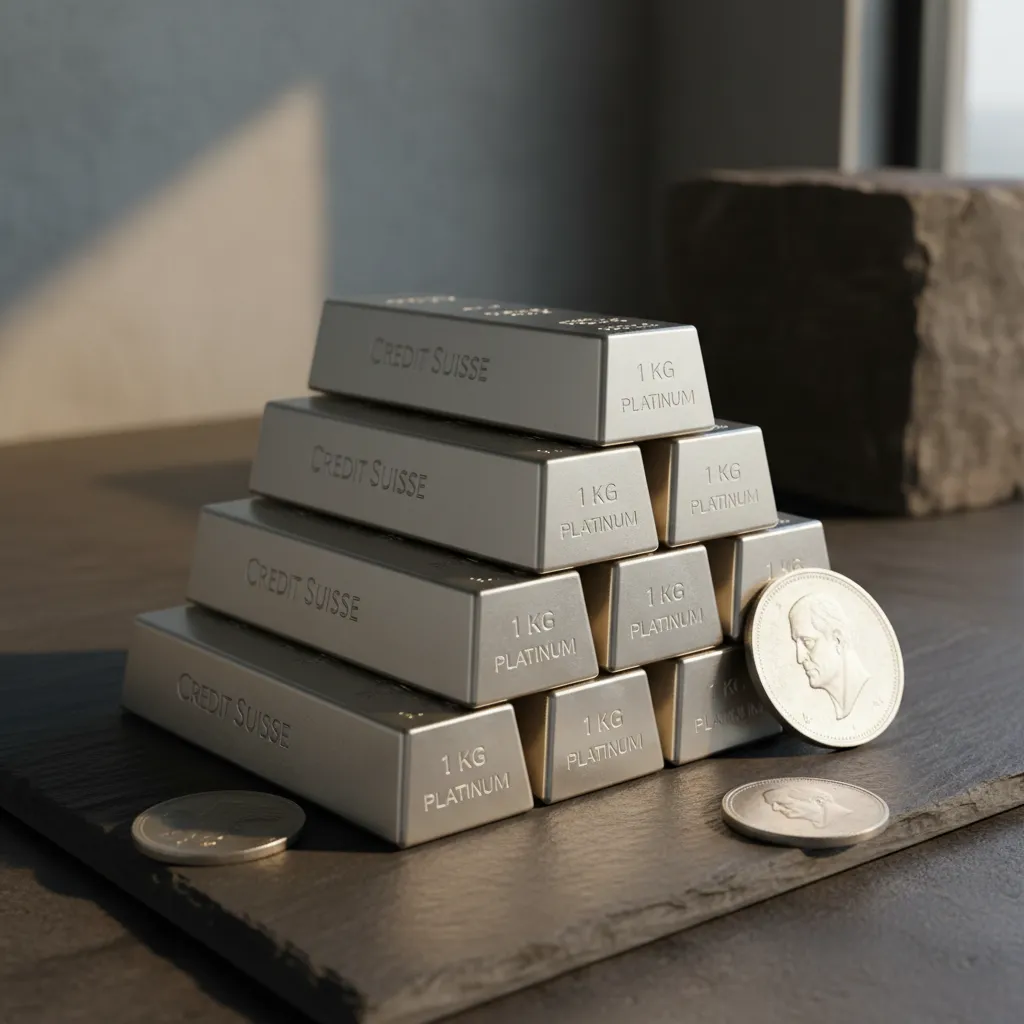
- Platinum bars in standard weights such as 1 oz, 10 oz, and 1 kilo, from recognized refiners including PAMP Suisse, Valcambi, and Johnson Matthey
- Platinum rounds produced by private mints
- Platinum sponge and granules held for industrial or investment purposes
- Platinum ingots and cast bars from secondary market or refinery sources
- Certified and graded platinum coins evaluated by PCGS or NGC
- Platinum bullion held within IRAs or precious metals accounts requiring third-party valuation
Who Does AppraiseItNow Serve?
AppraiseItNow serves individual investors, collectors, and families who hold platinum bullion for investment or estate purposes, as well as attorneys, CPAs, and estate professionals who require independent, IRS-qualified valuations for legal and tax proceedings.
5-Star Valuation Services, Loved by Hundreds
{{sectionName}}

{{sectionName}}
{{sectionName}}
{{sectionName}}
.svg)
View all Locations
How our Valuation Process Works
Written USPAP-compliant personal property appraisals for when defensibility matters.
Given the USPAP-compliant nature of AppraiseItNow’s appraisal reports, we prepare our deliverables for major legal, tax, and financial reporting purposes for individual and commercial clients.
Popular uses of our appraisal reports include:
Taxes, Estates & Financial Planning
- Gift Tax - IRS Form 709
- Estate Tax - IRS Form 706
- Charitable Donations - IRS Form 8283
- Estate planning, equitable distribution, and probate
- Loan Purposes
Life Events & Special Circumstances
- Divorce
- Social Security reporting or Medicaid Application Filings
- E-2 visa applications
Insurance & Risk Management
- Insurance coverage
- Insurance claims
- Third-party & legal damage claims
What types of platinum bullion does AppraiseItNow appraise?
AppraiseItNow appraises all common forms of platinum bullion held by individuals, estates, collectors, and institutions. This includes:
- platinum bars and ingots in standard sizes such as 1 oz, 10 oz, and 1 kilo
- platinum coins including American Platinum Eagles and foreign sovereign issues
- vintage or discontinued refiner bars from brands like Engelhard, Johnson Matthey, and PAMP
- platinum rounds and specialty fabricated pieces
- mixed bullion lots and larger collections held for investment or estate purposes
Are your platinum bullion appraisals USPAP-compliant?
Yes. All AppraiseItNow platinum bullion appraisals are developed and reported in accordance with USPAP Standards 7 and 8, which govern personal property appraisal practice. Standard 7 requires proper problem identification, scope of work, data collection, and reconciliation into a supported value opinion, while Standard 8 governs how that opinion is clearly communicated in the written report. Our reports are defensible for IRS filings, insurance purposes, legal proceedings, and estate administration.
What are common reasons someone needs a platinum bullion appraisal?
There are several situations that call for a professional, independent platinum bullion appraisal:
- charitable donations exceeding $5,000, which require a qualified appraisal for IRS Form 8283 Section B
- estate settlement and probate, where fair market value must be established at the date of death
- insurance scheduling to document replacement value for high-value holdings
- theft or loss claims requiring an independent valuation for the insurer
- divorce proceedings where bullion holdings are part of marital asset division
- IRA conversions or loan collateral situations where a documented value is required
Can you appraise platinum bullion in poor condition, with unknown provenance, or with limited documentation?
Yes. Appraisers assess platinum bullion based on physical attributes including weight, hallmarks, purity stamps, serial numbers, and surface condition, so a formal appraisal is still possible even without purchase receipts or provenance records. Condition factors such as scratches, missing assay cards, or damaged packaging are accounted for in the valuation through premium and discount analysis relative to spot price. If documentation is limited, our appraisers will note any assumptions or limiting conditions in the report as required by USPAP.
Can you appraise large collections or multiple platinum bullion items?
Yes. AppraiseItNow regularly handles collections of varying sizes, from a single bar or coin to large multi-item holdings across an estate or investment portfolio. Each item is individually described and valued, which is especially important when a collection includes a mix of generic bullion and vintage refiner bars that may carry collector premiums above spot. Volume pricing is available for larger collections, and our team can coordinate the most efficient approach based on the size and complexity of your holdings.
Do you provide online or remote platinum bullion appraisals?
Most platinum bullion appraisals are completed remotely using photographs, weight documentation, assay certificates, and other submitted materials, making the process fast and convenient regardless of your location. For larger collections, estate situations, or cases where physical inspection is warranted, we can coordinate an in-person appraiser anywhere in the United States. Our remote process is fully USPAP-compliant and produces reports accepted by the IRS, insurers, and courts.
How much does a platinum bullion appraisal cost?
Fees depend on the purpose of the appraisal and the number of items involved. Standard appraisals for insurance coverage, personal use, probate, and estate distribution start at $195. Advanced appraisals for charitable donations, estate tax, insurance claims, divorce, and legal proceedings start at $295. Volume pricing by collection size is as follows:
- 1 item: $195 to $495
- 10 items: $695 to $1,200
- 50 to 100 or more items: $1,600 to $3,500 or more
All fees are quoted as a fixed price before work begins so there are no surprises.
Do you offer discounted pricing for large volumes?
Yes. Pricing scales favorably as the number of items increases, with collection pricing available for groups of 10 or more items and deeper discounts applied to collections of 50 to 100 or more pieces. This makes AppraiseItNow a practical choice for estate administrators, attorneys, and collectors who need comprehensive valuations across a large platinum bullion holding. Contact us to discuss your specific collection and receive a fixed-price quote before work begins.
How long does a platinum bullion appraisal take?
Most remote platinum bullion appraisals are completed within 7 to 10 business days from the time all required materials are received. Larger collections or cases requiring an onsite inspection typically take 2 to 3 weeks. If you have a deadline for an IRS filing, insurance claim, or legal proceeding, rush service is available for same-day or next-day turnaround upon request.
Who prepares the appraisal report?
Appraisal reports are prepared by credentialed personal property appraisers with demonstrated competency in precious metals and bullion valuation. Each report is reviewed for compliance with USPAP Standards 7 and 8 before delivery. AppraiseItNow appraisers are qualified under IRS Treasury Regulations, meaning they meet the independence, credential, and experience requirements for tax-related appraisals.
Are your appraisers ISA, ASA, or AAA credentialed?
Yes. AppraiseItNow's personal property appraisers hold credentials from recognized professional bodies including the International Society of Appraisers (ISA). These credentials require demonstrated competency, adherence to USPAP, and ongoing education. Credentialed appraisers meet the IRS definition of a "qualified appraiser" under Treasury Regulations Section 1.170A-17, which is required for charitable donation appraisals and estate tax filings.
Do you prepare appraisals for IRS Form 8283 (Noncash Charitable Contributions)?
Yes. When platinum bullion is donated to a qualifying organization and the value exceeds $5,000, IRS regulations require a qualified appraisal and the appraiser must sign Part IV of Form 8283 Section B. AppraiseItNow appraisers meet the qualified appraiser standard under Treasury Regulations Section 1.170A-17, and our reports include all required elements: a detailed property description, valuation methodology, effective date, and the fair market value definition per Reg. 1.170A-1(c)(2). One important nuance is that mixed lots containing both bullion and numismatic coins must be appraised separately per item exceeding $5,000, as lumping them together as generic bullion can trigger IRS audit disallowance.
Do you prepare appraisals for IRS Form 706 (Estate Tax)?
Yes. When platinum bullion is part of a taxable estate, it must be reported at fair market value on Form 706 Schedule A for tangible personal property, and a qualified appraisal is typically required to substantiate values for audit purposes. AppraiseItNow provides USPAP-compliant estate appraisals that document the fair market value of platinum bullion as of the date of death, supporting both the estate tax return and any step-up in basis reported on Form 1040 Schedule D if the bullion is later sold. The 2025 federal estate tax exemption is $13.61 million, but many states have lower thresholds where appraisals are still required.
Do you buy, sell, or broker platinum bullion?
No. AppraiseItNow is an independent appraisal firm and does not buy, sell, trade, or broker platinum bullion in any form. This independence is a core requirement for producing unbiased, USPAP-compliant valuations and for meeting the IRS definition of a qualified appraiser, which prohibits appraisers from having a financial interest in the property being appraised.
What information do you need to get started?
To begin a platinum bullion appraisal, it helps to provide as much of the following as possible:
- clear photographs of each bar or coin, including the front, back, edges, and any stamps or hallmarks
- the weight of each item, ideally verified by a calibrated scale
- purity markings, serial numbers, and refiner information if visible
- original assay certificates or packaging if available
- purchase receipts or provenance documentation if on hand
- the intended purpose of the appraisal, such as insurance, estate, donation, or divorce
- any prior appraisal reports for reference
Can AppraiseItNow appraise platinum bullion located anywhere in the U.S.?
Yes. Remote appraisals are available to clients nationwide, and the process can be completed entirely online using submitted photographs and documentation. For larger estates, significant collections, or situations where physical inspection adds important value, we can coordinate an in-person appraiser in any state. There is no geographic limitation on our services.
Will my appraisal be accepted by the IRS, insurers, or courts?
AppraiseItNow appraisal reports are USPAP-compliant, prepared by qualified appraisers, and structured to meet the specific requirements of the intended use, whether that is an IRS filing, an insurance claim, or a legal proceeding. For IRS purposes, our reports satisfy the qualified appraisal requirements under Treasury Regulations Section 1.170A-17, including all required disclosures, methodology documentation, and appraiser credentials. For insurance and legal matters, our reports provide the defensible, well-documented valuations that adjusters, underwriters, and courts expect.
How do appraisers determine whether a vintage platinum bar carries a premium above spot price?
Not all platinum bars of identical purity are valued the same. Discontinued refiner bars, particularly those from Engelhard produced before the 2000s, can trade at 20 to 50 percent above spot price due to collector demand, even though their metal content is identical to current production bars. Appraisers distinguish vintage from current production by examining assay dates, hallmark styles, and serial number formats, then cross-reference recent auction results from venues like Heritage Auctions and Stack's Bowers to support any premium applied. Treating a vintage Engelhard bar as generic bullion is one of the most common valuation errors in platinum appraisals.
How do appraisers detect counterfeit platinum bars, and does that affect the appraisal?
Counterfeit platinum bars have become a documented concern, with some fakes using tungsten cores that can pass a basic weight test because tungsten's density of 19.25 g/cm3 is close to platinum's density of 21.45 g/cm3. Professional appraisers use XRF (X-ray fluorescence) spectrometry to detect density mismatches and verify purity, and USPAP requires appraisers to disclose the limits of any testing performed. If an item cannot be authenticated with available tools, the appraiser will note that limitation in the report, which may affect the supportable value opinion and could prompt the client to seek additional assay testing before the appraisal is finalized.
Does platinum's price volatility affect which value type I need for my appraisal?
Yes, and the choice of value type matters significantly for platinum bullion given its price sensitivity to industrial demand, particularly from the automotive catalyst sector which accounts for roughly 60 percent of platinum consumption. Fair market value, used for estate tax and charitable donation appraisals, reflects what a willing buyer and seller would agree to on the effective date, anchored to the LBMA spot price on that specific day. Replacement value, used for insurance scheduling, reflects the cost to replace the item with one of like kind and quality at retail, which typically includes dealer premiums above spot. Actual cash value accounts for depreciation and is used in certain insurance claim contexts. Selecting the wrong value type for your purpose can result in an appraisal that is rejected by the IRS or your insurer, so it is important to identify the intended use before the appraisal begins.
APPRAISEITNOW APPRAISERS ARE BEST-IN-CLASS & CREDENTIALED BY LEADING APPRAISAL ORGANIZATIONS LIKE THE ISA, ASA, & MORE.




