






USPAP-compliant appraisals by best-in-class appraisers
.avif)
Joe Kattan

Anne Hay, ISA AM

Jason Dolph, CAGA

Ashley Innes, ISA AM

Aron Blue
About AppraiseItNow's Silver Bullion Appraisal Services
AppraiseItNow provides professional silver bullion appraisals for estate tax reporting, charitable donation filings under IRS Form 8283, insurance coverage and claims, divorce proceedings, and loan collateral purposes. Silver bullion holdings require precise, defensible valuations that account for spot price fluctuations, purity grades, and the specific form of the metal, whether bars, rounds, or coins held for their metal content rather than numismatic value. Silver bullion appraisals sit alongside other precious metals and collectibles covered under our personal property appraisal platform. Our mission is to deliver defensible, USPAP-compliant valuations with exceptional speed, professionalism, and client service.
Our appraisers serve individual investors, estate executors, attorneys, CPAs, financial advisors, and institutions that require independent third-party valuations for IRS filings, insurance documentation, or legal proceedings. Most silver bullion appraisals are completed remotely using photographs, documentation of hallmarks and assay certifications, and verified spot price data, though onsite inspection may be coordinated for large holdings or when physical verification of purity and weight is required. We offer Fair Market Value (FMV), Replacement Value, and Actual Cash Value (ACV) appraisals for various intended uses.
What Types of Silver Bullion Do We Appraise?
Silver bullion spans a range of physical forms, each with distinct valuation considerations tied to weight, purity, mint source, and market liquidity. AppraiseItNow appraises:
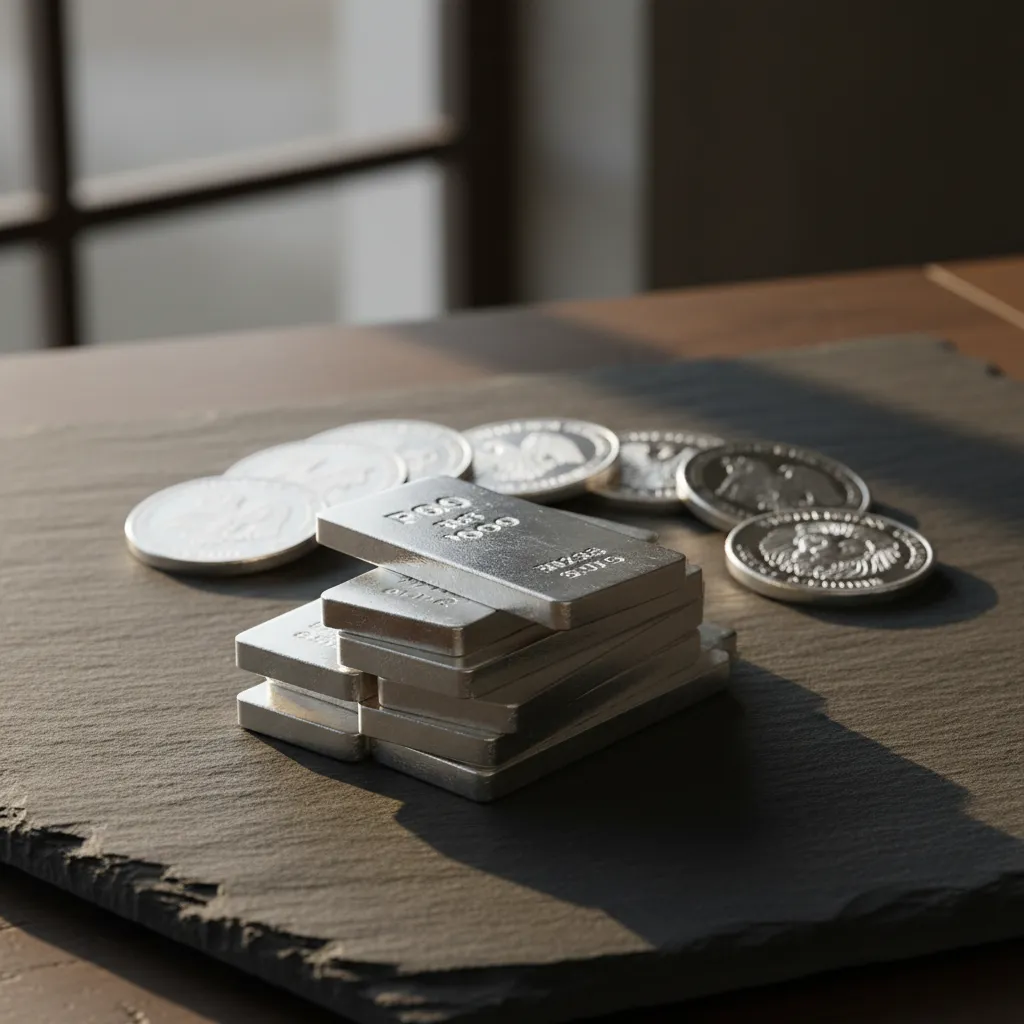
- Silver bars, including cast and minted bars in standard weights such as 1 oz, 10 oz, 100 oz, and 1,000 oz
- Silver rounds produced by private mints, valued primarily on metal content
- Government-issued silver bullion coins such as American Silver Eagles, Canadian Maple Leafs, and Britannia coins held for bullion rather than numismatic value
- Silver bullion coins from foreign sovereign mints
- Junk silver, including pre-1965 US dimes, quarters, and half dollars valued for their 90% silver content
- Silver granules, shot, and raw silver held in industrial or investment form
- Silver ETF-backed physical holdings requiring documentation for estate or legal purposes
- Silver bullion held within IRAs or self-directed retirement accounts requiring fair market valuation
Who Does AppraiseItNow Serve?
AppraiseItNow serves individual investors, collectors, and families who need a credible valuation of silver bullion holdings for tax, estate, insurance, or legal purposes. We also work with estate attorneys, CPAs, financial planners, and trust officers who require independent, IRS-qualified appraisals on behalf of their clients.
5-Star Valuation Services, Loved by Hundreds
{{sectionName}}

{{sectionName}}
{{sectionName}}
{{sectionName}}
.svg)
View all Locations
How our Valuation Process Works
Written USPAP-compliant personal property appraisals for when defensibility matters.
Given the USPAP-compliant nature of AppraiseItNow’s appraisal reports, we prepare our deliverables for major legal, tax, and financial reporting purposes for individual and commercial clients.
Popular uses of our appraisal reports include:
Taxes, Estates & Financial Planning
- Gift Tax - IRS Form 709
- Estate Tax - IRS Form 706
- Charitable Donations - IRS Form 8283
- Estate planning, equitable distribution, and probate
- Loan Purposes
Life Events & Special Circumstances
- Divorce
- Social Security reporting or Medicaid Application Filings
- E-2 visa applications
Insurance & Risk Management
- Insurance coverage
- Insurance claims
- Third-party & legal damage claims

What types of silver bullion does AppraiseItNow appraise?
AppraiseItNow appraises all major forms of silver bullion held as personal property. This includes:
- Silver bars in all sizes, from 1 oz to 100 oz and larger, including branded bars from refiners like Johnson Matthey, Engelhard, and Royal Canadian Mint
- Silver rounds, including generic and privately minted rounds
- Sovereign mint coins such as American Silver Eagles, Canadian Maple Leafs, and Perth Mint products
- Slabbed and graded bullion coins certified by PCGS or NGC
- Mixed bullion collections held in estates or trusts
Are your silver bullion appraisals USPAP-compliant?
Yes. All AppraiseItNow silver bullion appraisals are developed and reported under USPAP Standards 7 and 8, which govern personal property appraisals. Standard 7 requires proper identification of the property, analysis of relevant markets, and application of appropriate valuation methods such as the sales comparison and cost approaches. Standard 8 requires that the report be accurate, clear, and non-misleading, and that it include the scope of work, effective date, and appraiser credentials.
What are common reasons someone needs a silver bullion appraisal?
There are several situations where a professional appraisal of silver bullion is necessary or strongly advisable:
- Charitable donations exceeding $5,000 in fair market value, which require a qualified appraisal attached to IRS Form 8283
- Estate tax filings on Form 706 when the gross estate exceeds the federal exemption, which is $13.61 million in 2026
- Insurance coverage for scheduled personal property riders on collections valued above standard policy limits
- Divorce proceedings and equitable distribution of marital assets
- Probate and estate settlement requiring independent valuation
- Loan collateralization when a lender requires a USPAP-compliant report
- Pre-sale valuation for estate sales, auctions, or dealer consignments
Can you appraise silver bullion in poor condition, with unknown provenance, or with limited documentation?
Yes. Appraisers account for condition directly in the valuation, since surface scratches, toning, or other damage can reduce melt value by 1 to 3 percent and affect numismatic premiums more significantly. Unknown provenance or missing certificates of authenticity are common, particularly in estate situations, and appraisers use hallmarks, assay marks, serial numbers, and physical testing to establish identity and purity. When documentation is limited, the appraiser notes the assumptions and limiting conditions in the report, which keeps the appraisal defensible for IRS, insurance, and legal purposes.
Can you appraise large collections or multiple silver bullion items?
Yes. AppraiseItNow regularly appraises large bullion holdings, mixed collections, and estate inventories containing dozens or hundreds of individual pieces. Appraisers catalog each item by form, weight, purity, brand, and condition, then apply appropriate valuation methods across the collection. Volume pricing is available for larger collections, and turnaround times are structured to accommodate the added scope.
Do you provide online or remote silver bullion appraisals?
Most silver bullion appraisals are completed remotely, using photographs, weight documentation, hallmark details, and any available certificates or purchase records you provide. For larger collections, complex estate holdings, or situations where physical inspection is required, we can coordinate an in-person appraiser anywhere in the United States. Remote appraisals are fully USPAP-compliant and accepted by the IRS, insurers, and courts.
How much does a silver bullion appraisal cost?
Pricing depends on the purpose and scope of the appraisal. Standard appraisals, used for insurance coverage, personal use, probate, and estate distribution, start at $195. Advanced appraisals for charitable donations, estate tax, insurance claims, divorce, and legal proceedings start at $295. Volume pricing by collection size is as follows:
- 1 item: $195 to $495
- 10 items: $695 to $1,200
- 50 to 100 or more items: $1,600 to $3,500 or more
The typical standard fee range is $395 to $2,200 depending on complexity and intended use.
Do you offer discounted pricing for large volumes?
Yes. Collections of 50 items or more qualify for discounted collection pricing, with fees ranging from $1,600 to $3,500 or more depending on the total number of pieces and complexity. Even at the lower per-item rate, each piece receives individual identification, condition assessment, and valuation. Contact AppraiseItNow to discuss your collection size and get a fixed-price quote before work begins.
How long does a silver bullion appraisal take?
Most remote silver bullion appraisals are completed within 7 to 10 business days from the time all required information and photographs are received. Onsite inspections or larger collections typically take 2 to 3 weeks. Rush service is available for same-day or next-day turnaround upon request, which is particularly useful when facing IRS filing deadlines or time-sensitive legal proceedings.
Who prepares the appraisal report?
Appraisal reports are prepared by credentialed personal property appraisers with specific expertise in precious metals and bullion. Each appraiser follows USPAP Standards 7 and 8 throughout the development and reporting process. Reports include the appraiser's qualifications, the methodology used, the data sources consulted, and the effective date of value.
Are your appraisers ISA, ASA, or AAA credentialed?
Yes. AppraiseItNow's personal property appraisers hold credentials from recognized professional bodies including the International Society of Appraisers (ISA). These designations require completion of specific education requirements, demonstrated competency in personal property valuation, and ongoing USPAP training. Credentialed appraisers meet the IRS definition of a qualified appraiser for purposes of Form 8283 and Form 706 filings.
Do you prepare appraisals for IRS Form 8283 (Noncash Charitable Contributions)?
Yes. When silver bullion is donated to a qualifying charitable organization and the fair market value exceeds $5,000, IRS rules require a qualified appraisal completed no earlier than 60 days before the contribution date and attached to Form 8283 Section B. AppraiseItNow prepares qualified appraisals that meet these requirements, including proper appraiser credentials, methodology disclosure, and market data support. Given silver's price volatility, the effective date of valuation is carefully documented to withstand IRS scrutiny.
Do you prepare appraisals for IRS Form 706 (Estate Tax)?
Yes. When a decedent's gross estate exceeds the federal exemption threshold, silver bullion holdings must be valued at fair market value as of the date of death and reported on Form 706. AppraiseItNow prepares USPAP-compliant estate tax appraisals that identify each bullion item, document purity and weight, and apply appropriate valuation methods using current market data. The IRS generally requires detailed appraisal support for bullion holdings exceeding $3,000 in aggregate value within the estate.
Do you buy, sell, or broker silver bullion?
No. AppraiseItNow is an independent appraisal firm and does not buy, sell, trade, or broker silver bullion in any form. This independence is a core requirement under USPAP and is what makes our appraisals defensible for IRS filings, insurance claims, legal proceedings, and other purposes. Our sole role is to provide an objective, unbiased opinion of value.
What information do you need to get started?
To begin a silver bullion appraisal, please provide as much of the following as possible:
- Clear photographs of each item, including hallmarks, assay marks, and serial numbers on bars
- Weight of each piece, ideally verified on a calibrated scale to 0.01 gram precision
- Purity or fineness markings, such as .999 or .900
- Brand or refiner information, for example Johnson Matthey, Engelhard, or Perth Mint
- PCGS or NGC certification numbers for any slabbed coins
- Certificates of authenticity or original purchase receipts if available
- The intended purpose of the appraisal, such as insurance, estate tax, or charitable donation
Can AppraiseItNow appraise silver bullion located anywhere in the U.S.?
Yes. Remote appraisals are available to clients nationwide, and the vast majority of silver bullion appraisals are completed without requiring physical access to the items. For larger estate collections, complex holdings, or situations where an in-person inspection is necessary, AppraiseItNow can coordinate a qualified appraiser in any state. Geographic location does not affect the quality or defensibility of the appraisal report.
Will my appraisal be accepted by the IRS, insurers, or courts?
AppraiseItNow appraisals are prepared to meet the standards required by each of these audiences. IRS acceptance requires a qualified appraisal by a qualified appraiser under Treasury Regulation 1.170A-17, and our reports are structured to satisfy those requirements for both Form 8283 and Form 706 filings. Insurance carriers and courts require USPAP-compliant reports with clear methodology, market data support, and appraiser credentials, all of which are included in every report we deliver.
Does the brand or refiner of a silver bar affect its appraised value?
Yes, and this is one of the most commonly overlooked factors in bullion valuation. Generic unbranded 100-oz bars typically trade at or very near spot price, while bars from recognized refiners like Royal Canadian Mint can command premiums of 3 to 7 percent above spot due to brand recognition, liquidity, and dealer acceptance. Failing to account for these name-brand premiums can result in undervaluation of 5 to 10 percent, which matters significantly for insurance coverage limits, estate tax reporting, and charitable deduction calculations.
How do appraisers verify that silver bullion is authentic and not counterfeit?
Authentication is a critical step in the appraisal process, particularly for bars over 10 oz where sophisticated counterfeits exist. Appraisers examine hallmarks, serial numbers, and dimensions, and may use handheld XRF spectrometry to analyze alloy composition. However, XRF scanners can misread surface alloys on clad fakes at an error rate of roughly 15 percent, so for higher-value bars a destructive fire assay may be recommended, adding $200 to $500 in cost but providing definitive purity confirmation and protecting against a potential 20 percent loss in value from an undetected fake.
How does silver's price volatility affect the appraisal, especially for IRS purposes?
Silver spot prices can swing 20 percent or more within a single year, which makes the effective date of valuation critically important. For IRS charitable donation purposes, the appraisal must be completed no earlier than 60 days before the contribution date, and the value is tied to the spot price on the effective date stated in the report. If silver prices drop significantly between the appraisal date and the filing date, the IRS may scrutinize the reported value, so appraisers document the LBMA Silver Price fix or COMEX settlement price for the specific effective date to create a clear, auditable record.
APPRAISEITNOW APPRAISERS ARE BEST-IN-CLASS & CREDENTIALED BY LEADING APPRAISAL ORGANIZATIONS LIKE THE ISA, ASA, & MORE.




