Restaurant equipment represents one of your largest capital investments, often totaling $150,000 to $300,000 for a full-service establishment. Yet many restaurant owners struggle with understanding how equipment depreciation works and when they need professional appraisals to protect their financial interests.
Getting depreciation wrong can cost you thousands in overpaid taxes, inadequate insurance coverage, or poor sale prices when you're ready to exit. The good news is that understanding equipment depreciation and knowing when to get professional appraisals can help you make smarter financial decisions throughout your restaurant's lifecycle.
Quick Answer: Most restaurant equipment depreciates over 5-10 years for tax purposes, but actual market value often differs significantly from book value. Professional appraisals help bridge this gap for insurance, financing, and sale decisions.
This guide covers everything you need to know about restaurant equipment depreciation schedules, typical useful lives, and when professional appraisals become essential for protecting your investment.
Understanding restaurant equipment depreciation basics
Restaurant equipment depreciation is simply spreading the cost of your equipment over its expected useful life for accounting and tax purposes. Instead of deducting the full $50,000 cost of a new commercial oven in year one, you might depreciate it over 10 years at $5,000 annually.
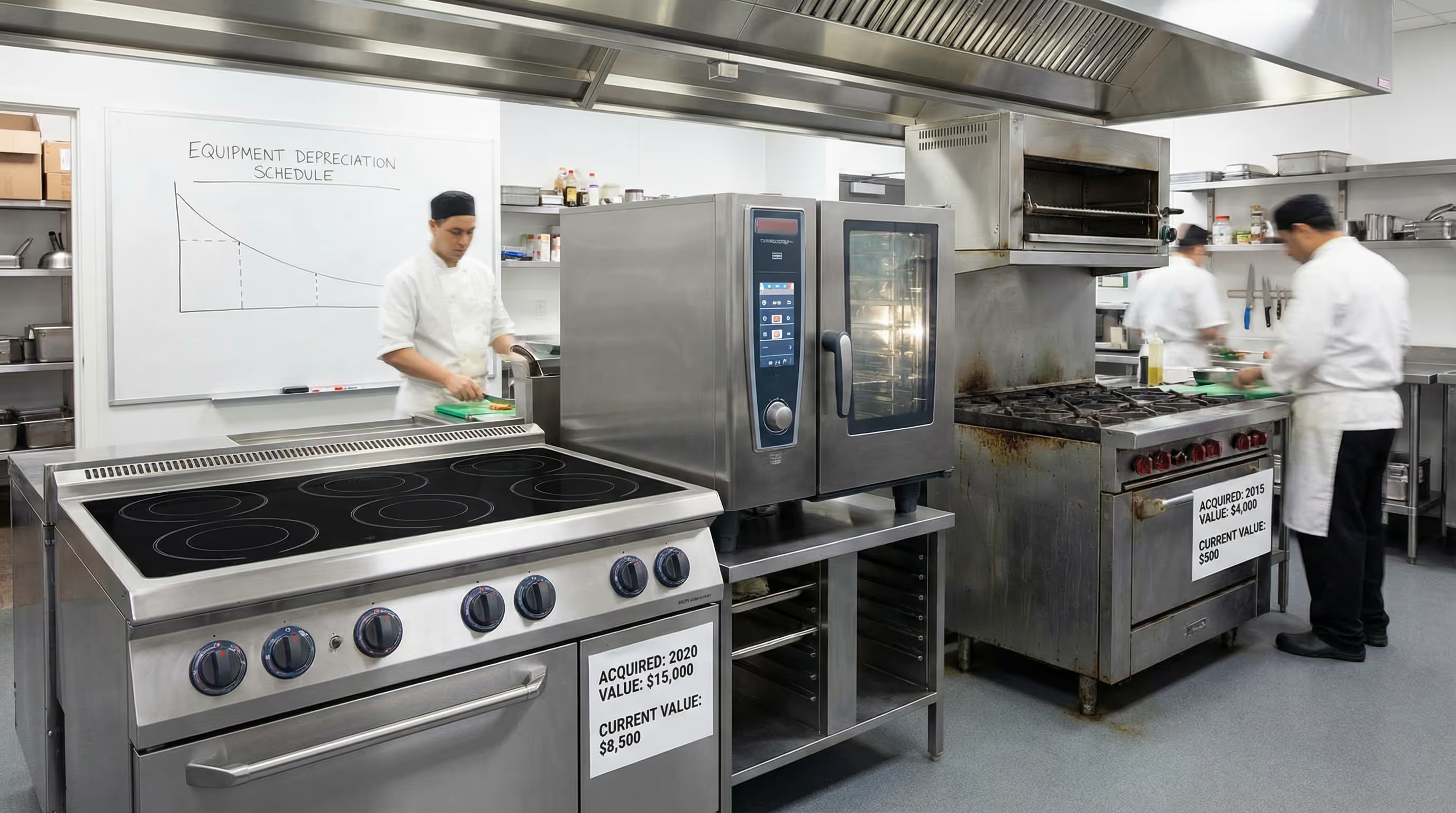
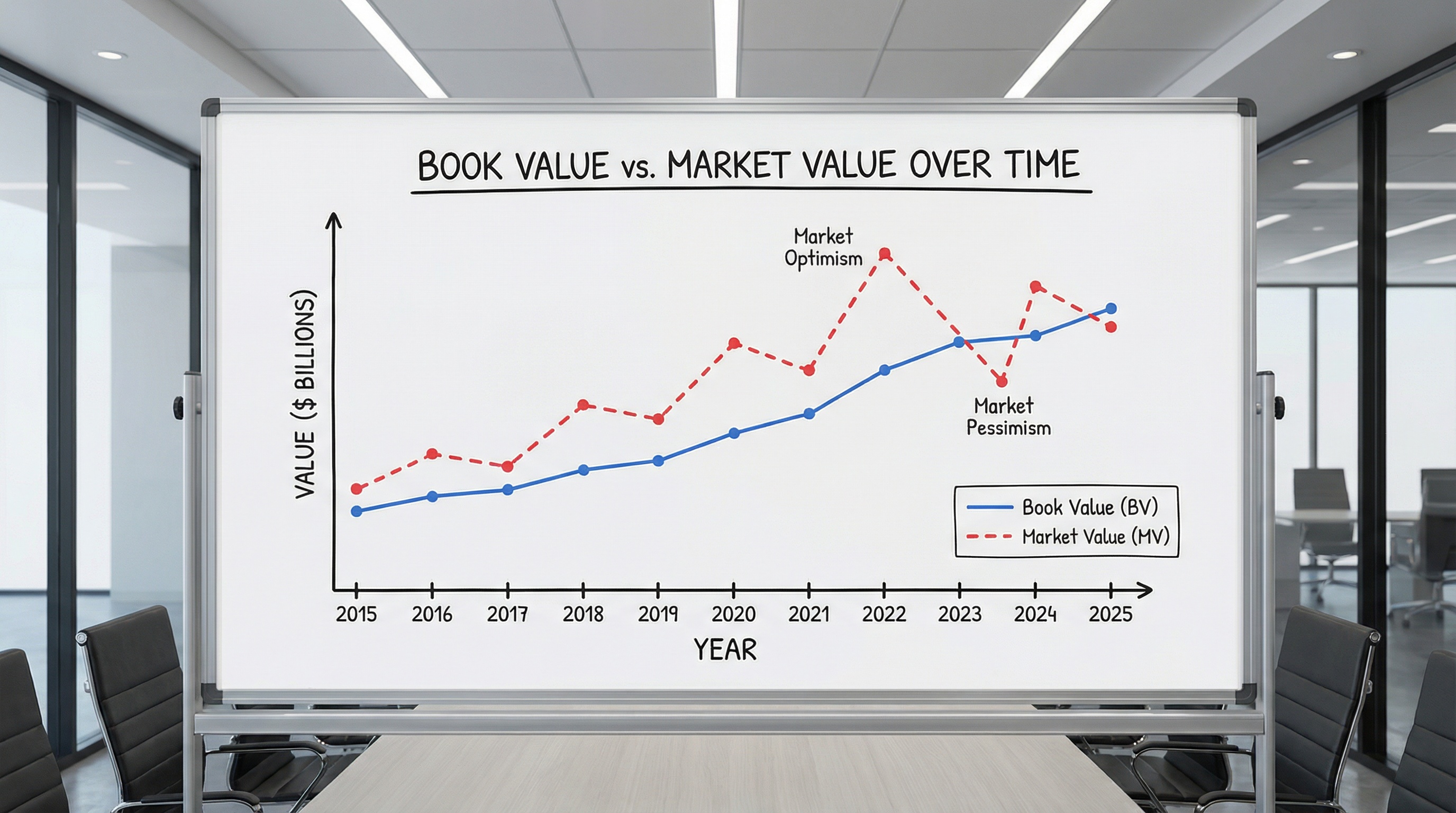
The key distinction many restaurant owners miss is the difference between tax depreciation, book value, and actual market value. Your tax depreciation follows IRS guidelines and focuses on maximizing deductions. Book value is what appears on your financial statements. Market value is what someone would actually pay for your equipment today.
These three values rarely align, especially as equipment ages. A fully depreciated pizza oven might show zero book value but still command $15,000 in the used equipment market. Understanding these differences helps you make better decisions about insurance coverage, equipment sales, and business valuations.
Typical depreciation lives for restaurant equipment
Different types of restaurant equipment have different expected useful lives, both for tax purposes and in actual practice. Here's what you can typically expect:
| Equipment Category | Tax Life | Actual Useful Life |
|---|---|---|
| Cooking Equipment | 5-7 years | 10-15 years |
| Refrigeration | 7 years | 8-12 years |
| Dishwashing Systems | 7 years | 10-15 years |
| POS Systems | 5 years | 3-5 years |
| Furniture & Fixtures | 7 years | 10-20 years |
Several factors can significantly impact these timelines. High-volume operations wear out equipment faster than casual dining establishments. Poor maintenance can cut useful life in half, while excellent care can extend it well beyond typical ranges.
The kitchen environment itself plays a major role. Equipment exposed to constant heat, grease, and moisture degrades faster than items in climate-controlled areas. Brand quality also matters significantly, with commercial-grade equipment from established manufacturers typically lasting longer than budget alternatives. Similar considerations apply to food processing equipment appraisal, where maintenance and environmental factors heavily influence value.
Pro Tip: Document your maintenance schedules and keep service records. Well-maintained equipment not only lasts longer but commands higher resale values when appraised.
How depreciation calculations work in practice
Straight-line depreciation is the most common method for restaurant equipment. Here's a simple example: You purchase a $30,000 commercial range with an expected 10-year life and $3,000 salvage value. Your annual depreciation would be ($30,000 - $3,000) ÷ 10 years = $2,700 per year.
After five years, your book value would be $16,500 ($30,000 - $13,500 in accumulated depreciation). However, the actual market value might be $18,000 if it's well-maintained, or $12,000 if it's seen heavy use without proper care.
This gap between book value and market value is why professional appraisals become crucial for major financial decisions. Banks want to know actual collateral value for loans. Insurance companies need replacement cost estimates. Buyers and sellers need fair market values for negotiations.
Market factors that pull restaurant equipment values away from book value
A depreciation schedule only knows cost and time. An appraiser also weighs what the used equipment market is paying right now, and several restaurant-specific factors move that number in ways a schedule never will.
Brand and model desirability have a large effect on resale. Equipment from manufacturers like Hobart, Vulcan, or True typically holds value better than lesser-known brands, and energy-efficient models with current features tend to sell more readily in the secondary market.
Code and efficiency shifts can reprice whole categories. Changes in health codes or a market move toward energy-efficient units reduce demand for older, less efficient models even when they still work perfectly well.
Installation and removal costs matter most for built-in equipment. Walk-in coolers, hood systems, and large ovens can carry significant disconnection and removal costs, which lowers what a buyer would pay to take them out of your space. Equipment valued in place as part of an operating restaurant is often worth more than the same equipment valued for removal and resale, so the purpose of the appraisal determines which view applies.
When you need professional restaurant equipment appraisals
Professional appraisals become essential in several key situations. Insurance purposes require knowing replacement costs to ensure adequate coverage. Many restaurant owners discover they're underinsured only after a loss, when their depreciated book values don't reflect actual replacement costs.
Financing and refinancing situations often require current market valuations. SBA lenders particularly want independent appraisals to verify collateral values. Similarly, when buying or selling a restaurant, equipment appraisals help establish fair asking prices and support negotiations, and an independent value can keep a deal from stalling over disputed equipment figures.
Legal situations like divorce, partnership disputes, bankruptcy, or estate planning require defensible valuations that can withstand scrutiny. Tax situations, including casualty losses or charitable donations, may also require professional appraisals to support your claimed values.
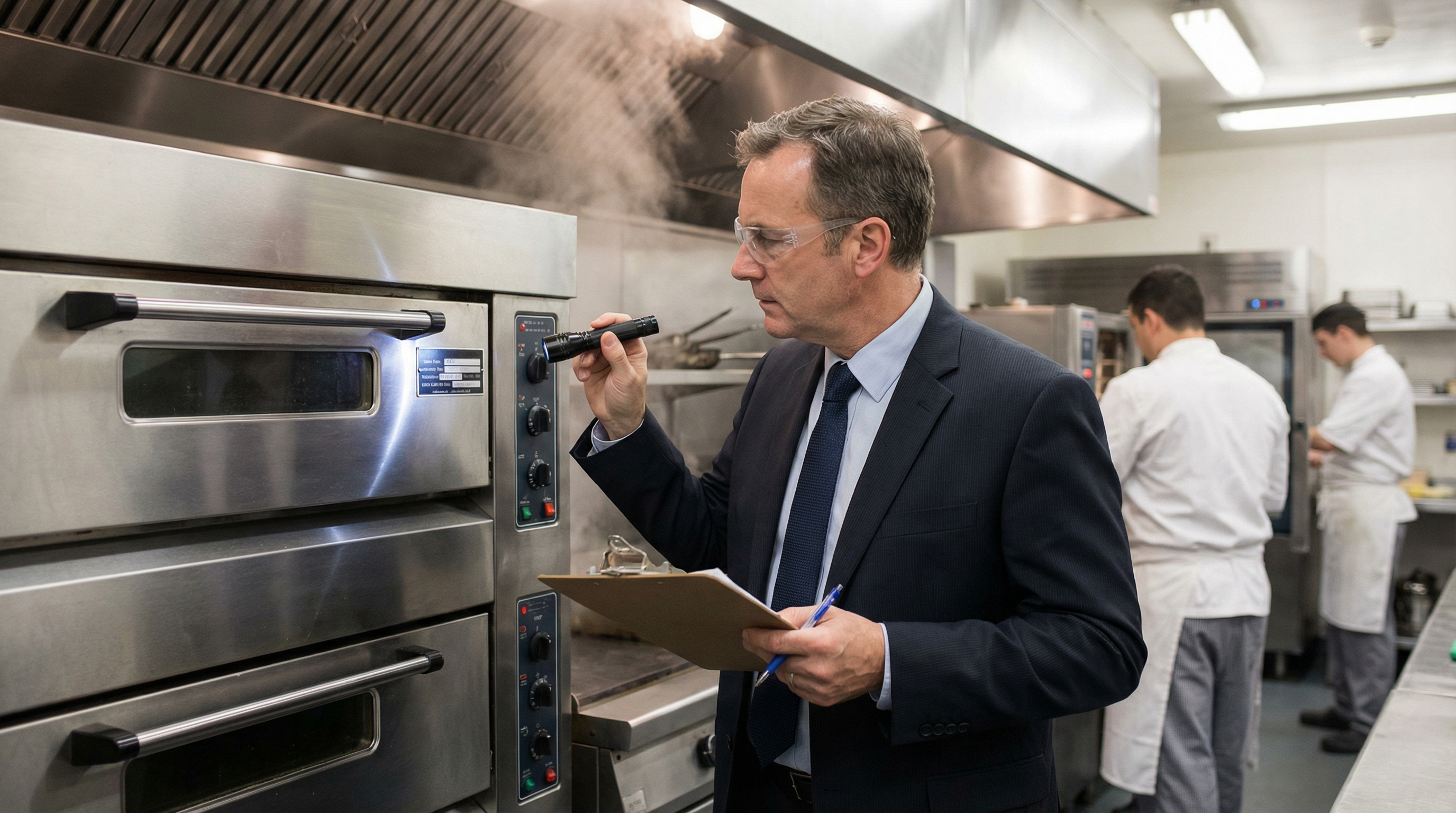
The key is working with appraisers who understand restaurant operations and hold proper credentials. Look for designations from organizations such as the ASA, NEBB (CMEA), or CAGA along with specific experience in foodservice equipment. Ask for a sample report, and confirm how fees are set: legitimate appraisers never base their fee on a percentage of the appraised value, because that practice violates professional standards and creates an obvious conflict of interest. Understanding how to select the right restaurant equipment appraiser can make a significant difference in the accuracy and acceptance of your appraisal.
Important: Generic business appraisers often lack the specialized knowledge needed to properly value restaurant equipment. Always verify your appraiser's foodservice industry experience.
How a restaurant equipment appraisal works from inventory to final report
A restaurant equipment appraisal follows a set sequence so the final value can be traced back to the inspection and market evidence behind it. Most assignments move through four stages:
- Engagement. We confirm the purpose of the appraisal, your deadline, and the scope of equipment. The purpose sets the value standard and the report format.
- Information gathering. You provide existing equipment lists, purchase invoices, maintenance records, and any prior appraisals, which keeps the inspection focused on condition rather than building an inventory from scratch.
- Inspection. The appraiser catalogs the equipment, recording model and serial information, age, condition, functionality where it can be checked, and compliance with current health and safety codes.
- Analysis and reporting. Comparable sales, manufacturer pricing, and secondary market trends are analyzed and the value conclusions written up.
Equipment included in a restaurant equipment appraisal
The appraisal covers the front of house as well as the kitchen. A typical scope includes:
- Cooking equipment such as ranges, ovens, fryers, and charbroilers
- Refrigeration, from reach-in units to walk-in coolers
- Dishwashing systems, sinks, and other attached fixtures
- Specialty equipment such as commercial espresso machines and display cases
- Smallwares and countertop appliances like mixers and blenders
- Dining room furniture and point-of-sale systems
What the restaurant equipment appraisal report includes
A complete report documents both the conclusion and how it was reached. Expect it to contain:
- An inventory listing with make, model, and age for each item
- A condition assessment and photographs
- Comparable sales data and relevant market trends
- Replacement cost analysis where the purpose calls for it
- A narrative of the appraiser's methodology, assumptions, and limiting conditions
- The appraiser's signature, credentials, and the sources relied on
Making smart decisions about depreciation and appraisals
Smart restaurant owners develop a strategic approach to equipment depreciation and appraisals. Review your depreciation schedules annually, especially after major purchases or renovations. This helps ensure your financial statements accurately reflect your asset base.
Consider professional appraisals every 3-5 years for insurance purposes, or immediately before major financial events like sales, refinancing, or partner buyouts. A significant remodel, a large equipment purchase, or a change of insurer is also a good reason to update the value. The cost of an appraisal, typically $500-$2,000 depending on scope, often pays for itself through better insurance coverage or negotiated prices.
Keep detailed records of all equipment purchases, improvements, and maintenance. This documentation supports both your depreciation calculations and provides valuable information to appraisers. A basic equipment list with serial numbers, prepared before the inspection, also shortens the visit. Well-documented equipment history typically results in higher appraised values. Learn more about what to expect during your restaurant equipment appraisal to be fully prepared.
Understanding both depreciation and market valuation helps you make informed decisions about equipment replacement, insurance coverage, and business planning. While depreciation provides tax benefits, professional appraisals ensure you understand the true value of your restaurant's equipment assets.
For expert restaurant equipment appraisals that meet IRS and USPAP standards, AppraiseItNow provides nationwide coverage with certified appraisers who specialize in foodservice equipment. Our reports are prepared to meet the standards insurance companies, lenders, and courts expect.