






USPAP-compliant appraisals by best-in-class appraisers
.avif)
Joe Kattan

Jason Dolph, CAGA

Tim Roy, ASA, CEA

Marnie Erkelens, CAGA

Aron Blue
About AppraiseItNow's Manufacturing Equipment Appraisal Services
AppraiseItNow provides fast, fully online or onsite appraisals for manufacturing equipment used in production, fabrication, processing, and assembly operations. Our appraisals support a wide range of purposes including asset-based lending, financial reporting, insurance coverage and claims, IRS estate and gift tax filings, charitable donations under IRS Form 8283, mergers and acquisitions, and bankruptcy proceedings. Manufacturing equipment often represents a significant portion of a company's total asset base, making accurate, defensible valuations critical for lenders, buyers, and regulators alike. Our mission is to deliver defensible, USPAP-compliant valuations with exceptional speed, professionalism, and client service.
Our appraisers serve manufacturers, plant operators, private equity firms, commercial lenders, CPAs, attorneys, and business owners who require independent valuations for transactional or compliance purposes. Manufacturing equipment appraisals are frequently completed remotely using equipment lists, photos, and supporting documentation, though onsite inspections are coordinated when required by asset complexity, operating condition, or lender scope of work. This specialized service sits within our broader equipment and machinery appraisal platform. We offer Fair Market Value (FMV), Orderly Liquidation Value (OLV), Forced Liquidation Value (FLV), and Replacement Value appraisals for various intended uses.
What Types of Manufacturing Equipment Do We Appraise?
Manufacturing equipment spans a wide range of industries and production processes. AppraiseItNow appraises assets across discrete, process, and hybrid manufacturing environments, including:
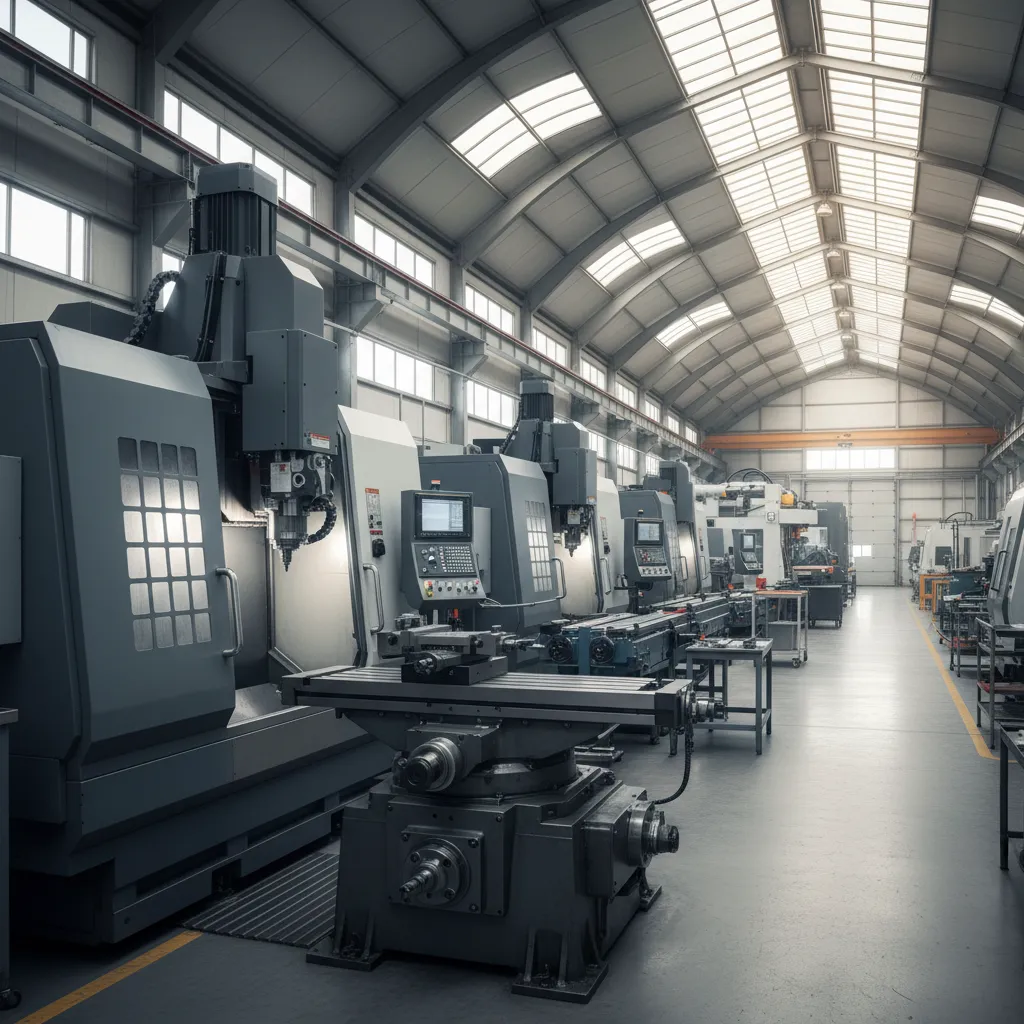
- CNC machining centers, lathes, and milling machines
- Injection molding and blow molding machines
- Metal fabrication equipment including press brakes, laser cutters, and welding systems
- Conveyor systems, automated assembly lines, and robotic cells
- Extrusion and forming equipment for plastics, rubber, and metals
- Packaging and labeling machinery
- Industrial ovens, furnaces, and heat treatment equipment
- Printing and converting equipment
- Food and beverage processing lines
- Pharmaceutical and chemical manufacturing equipment
Each asset is evaluated based on make, model, age, condition, configuration, remaining useful life, and current secondary market demand.
Who Does AppraiseItNow Serve?
AppraiseItNow serves manufacturers, plant owners, commercial lenders, private equity firms, CPAs, and attorneys who need credible, independent valuations for financing, transactions, tax compliance, or litigation. We also work with business owners navigating equipment sales, insurance renewals, or ownership transitions who require a formal appraisal report.
5-Star Valuation Services, Loved by Hundreds
{{sectionName}}

{{sectionName}}
{{sectionName}}
{{sectionName}}
Machinery & Equipment valuations for commercial and personal clients

Servicing Commercial & Industrial Businesses
AppraiseItNow serves major businesses and commercial clients, including:
- Banks and lenders
- Construction companies
- Infrastructure contractors
- Inudstrial & manufacturing companies
- Internal finance teams
- CPAs
- Attorneys

Servicing Individuals & Households
AppraiseItNow also serves individual consumers with projects large and small. These clients often include:
- Machinery & Equipment owners or estate inheritors
- Individuals making non-cash charitable donations
- Couples going through marital divorce
- Families dealing with estate planning or post-death estate matters
- Individuals dealing with insurance or other third-party claims
- Individuals going through major financial or other life events
.svg)
View all Locations
How our Valuation Process Works
Written USPAP-compliant equipment appraisals for when defensibility matters.
Given the USPAP-compliant nature of AppraiseItNow’s appraisal reports, we prepare our deliverables for major legal, tax, and financial reporting purposes for individual and commercial clients.
Popular uses of our appraisal reports include:
Tax, Estate & Financial Planning
- Gift Tax - IRS Form 709
- Estate Tax - IRS Form 706
- Charitable Donations - filing of IRS Form 8283
- Estate planning, equitable distribution, and probate
Transactions, Lending & Investment
- Asset-backed Lending
- Purchase price allocation & cost segregation
- Mergers & Acquisitions (transactional due diligence)
- Investment analysis & planning
- Financial Reporting
Insurance & Risk Management
Life Events & Special Circumstances
- Divorce
- Social Security reporting or Medicaid Application Filings
- E-2 visa applications
What types of manufacturing equipment does AppraiseItNow appraise?
AppraiseItNow appraises a wide range of manufacturing and production machinery across industries. Common asset types include:
- CNC machines, lathes, mills, and precision machining centers
- Injection molding, stamping, and forming equipment
- Conveyor systems, assembly line equipment, and robotic automation
- Welding, cutting, and fabrication machinery
- Packaging, labeling, and bottling equipment
- Industrial ovens, kilns, and heat treatment systems
- Custom or specialty production equipment unique to a facility
Whether the equipment is in active production, idle, or being liquidated, our appraisers have the experience to value it accurately.
Are your manufacturing equipment appraisals USPAP-compliant?
Yes. All appraisals prepared by AppraiseItNow follow USPAP Standards 7 and 8, which govern the development and reporting of personal property appraisals including machinery and equipment. Standard 7 requires appraisers to identify the problem, define the intended use and value type, and apply the appropriate scope of work, while Standard 8 requires reports that are complete, non-misleading, and fully disclose the methodology used. Our reports are accepted by the IRS, lenders, insurers, and courts.
What are common reasons someone needs a manufacturing equipment appraisal?
Manufacturing equipment appraisals are needed across a broad range of financial, legal, and operational situations, including:
- Asset-based lending and SBA loan collateral
- Mergers, acquisitions, and business sales requiring asset allocation
- Insurance coverage scheduling and damage or loss claims
- Charitable donation deductions requiring IRS Form 8283
- Estate tax reporting on IRS Form 706
- Bankruptcy filings and litigation support
- Equipment liquidation, auction planning, or facility closures
- Financial reporting under GAAP or FASB standards
Can you appraise manufacturing equipment in poor condition, with unknown provenance, or with limited documentation?
Yes. Appraisers assess physical condition directly, documenting wear, corrosion, missing components, and functionality issues that affect value. When maintenance records or original purchase documentation are unavailable, appraisers rely on manufacturer specifications, serial number research, comparable market sales, and direct inspection findings. Limited documentation does not prevent a credible, defensible appraisal from being completed.
Can you appraise large collections or multiple machines?
Yes. AppraiseItNow regularly appraises entire manufacturing facilities, mixed equipment sets, and large inventories of production machinery. Whether you have a handful of machines or hundreds of assets across a plant floor, we can scope the engagement appropriately and provide volume pricing. Larger inventories are frequently appraised onsite to ensure accuracy and completeness.
Do you provide online or remote manufacturing equipment appraisals?
Most manufacturing equipment appraisals are completed remotely using photographs, equipment lists, serial numbers, and supporting documentation you provide. For larger projects, complex machinery, or situations where a physical inspection is required by scope or intended use, we can coordinate an in-person appraiser anywhere in the United States. Remote appraisals are faster and cost-effective for straightforward single-machine or small fleet valuations.
How much does a manufacturing equipment appraisal cost?
Pricing depends on the number of assets, the complexity of the equipment, and the intended use of the appraisal. Standard appraisals for insurance, internal planning, estate distribution, or probate start at $295. Advanced appraisals for IRS filings, charitable contributions, M&A due diligence, asset-based lending, litigation support, bankruptcy, or transactional purposes start at $395. Volume pricing by asset count is as follows:
- 1 item: $295 to $595 for a single machine appraisal
- 10 items: $995 to $3,000 for a small fleet or mixed equipment set
- 50 or more items: $5,000 to $10,000 and up, frequently completed in person
All fees are quoted as a fixed price before work begins.
Do you offer discounted pricing for large volumes?
Yes. Pricing scales favorably as the number of assets increases, and volume engagements are quoted as a fixed fee before work begins. A facility with 50 or more machines is typically quoted in the $5,000 to $10,000-plus range depending on complexity, access requirements, and whether an onsite inspection is needed. Contact AppraiseItNow for a custom quote on larger inventories.
How long does a manufacturing equipment appraisal take?
Most remote appraisals are completed in 7 to 10 business days from the time all required information is received. Onsite inspections or larger multi-asset engagements typically take 2 to 3 weeks. Rush service is available for same-day or next-day turnaround upon request, which is useful for time-sensitive financing, litigation, or transaction deadlines.
Who prepares the appraisal report?
Appraisal reports are prepared by credentialed machinery and equipment appraisers with direct experience valuing manufacturing assets. AppraiseItNow's team includes appraisers holding designations from recognized credentialing bodies, and all reports are reviewed for USPAP compliance before delivery. Each appraiser must satisfy the USPAP Competency Rule, meaning they must have specific familiarity with the equipment type, relevant markets, and applicable valuation methods before accepting an assignment.
Do you prepare appraisals for IRS Form 8283 (Noncash Charitable Contributions)?
Yes. When manufacturing equipment is donated to a qualifying organization and the claimed deduction exceeds $5,000, IRS rules require a qualified appraisal and completion of Section B of Form 8283. AppraiseItNow prepares USPAP-compliant qualified appraisals that meet IRS requirements, and our appraisers are available to sign the appraiser declaration on the form. Donations of equipment valued above this threshold without a qualified appraisal risk disallowance of the deduction.
Do you buy, sell, or broker manufacturing equipment?
No. AppraiseItNow is an independent appraisal firm and does not buy, sell, or broker manufacturing equipment. This independence is a requirement for USPAP compliance and ensures that our valuations are objective and free from any financial interest in the outcome. Our sole role is to provide credible, defensible appraisal reports.
What information do you need to get started?
Providing the following information helps us scope your appraisal accurately and efficiently:
- Equipment type, manufacturer, model, and serial number for each asset
- Year of manufacture and approximate age
- Current physical condition and any known mechanical issues
- Photographs of each machine, including nameplates and any visible wear
- Maintenance records, service logs, or prior appraisal reports if available
- Purchase price or original cost documentation if accessible
- Intended use of the appraisal and required value type
- Any modifications, upgrades, or custom configurations
Can AppraiseItNow appraise manufacturing equipment located anywhere in the U.S.?
Yes. Remote appraisals are available nationwide and can be completed without an appraiser traveling to your location. For larger facilities, complex production lines, or engagements where a physical inspection is required by the scope of work or intended use, AppraiseItNow can coordinate an in-person appraiser in any state. Geographic coverage is not a limitation regardless of where your equipment is located.
Will my appraisal be accepted by the IRS, insurers, or courts?
AppraiseItNow's reports are prepared to meet the standards required by each of these audiences. Our appraisals are USPAP-compliant, prepared by credentialed appraisers, and include full disclosure of methodology, scope of work, and value conclusions. IRS-qualified appraisals meet the requirements of IRC Section 170 for charitable contributions and are structured to withstand audit scrutiny. Lenders, insurance carriers, and courts regularly rely on our reports for financing, claims, and litigation purposes.
What value types are used for manufacturing equipment, and when does each apply?
AppraiseItNow offers four value types for manufacturing equipment, each suited to a different purpose. Fair Market Value reflects the price a willing buyer and seller would agree on in an open market and is used for IRS filings, estate tax, and M&A transactions. Orderly Liquidation Value reflects what equipment would bring in a reasonable sale timeline, typically 60 to 70 percent of Fair Market Value, and is used for loan collateral and bankruptcy. Forced Liquidation Value applies when assets must be sold immediately, such as at auction, and produces the lowest value conclusion. Replacement Value reflects the cost to replace the equipment with a new equivalent and is used for insurance coverage scheduling.
How does functional and economic obsolescence affect the appraised value of manufacturing equipment?
Obsolescence is one of the most commonly mishandled factors in manufacturing equipment appraisals and can cause value errors of 15 to 25 percent if not properly analyzed. Functional obsolescence refers to a loss in value caused by outdated technology, inefficient design, or automation gaps, and appraisers must distinguish between curable obsolescence (where upgrades are cost-effective) and incurable obsolescence (where they are not). Economic obsolescence reflects external factors such as reduced demand for the products a machine produces or shifts in the industry it serves. USPAP Standards 7 and 8 require appraisers to address all three forms of depreciation, physical, functional, and economic, to produce a credible value conclusion.
Does the in-use versus idle status of manufacturing equipment significantly affect its appraised value?
Yes, and this distinction is often overlooked in hasty or incomplete appraisals. Equipment that is actively installed and operating in a production environment can carry an in-place or in-use value that is 20 to 50 percent higher than its standalone market value, because the cost of removal, transportation, reinstallation, and recommissioning is factored in. Idle equipment, by contrast, is typically valued closer to its orderly liquidation value. Communicating the operational status of your equipment at the time of the effective appraisal date is important, because USPAP requires the value conclusion to reflect conditions as of a specific date, and a change in status can materially affect the result.
APPRAISEITNOW APPRAISERS ARE BEST-IN-CLASS & CREDENTIALED BY LEADING APPRAISAL ORGANIZATIONS LIKE THE ISA, ASA, & MORE.




