






USPAP-compliant appraisals by best-in-class appraisers
.avif)
Joe Kattan

Jason Dolph, CAGA

Tim Roy, ASA, CEA

Marnie Erkelens, CAGA

Aron Blue
About AppraiseItNow's Metalworking Equipment Appraisal Services
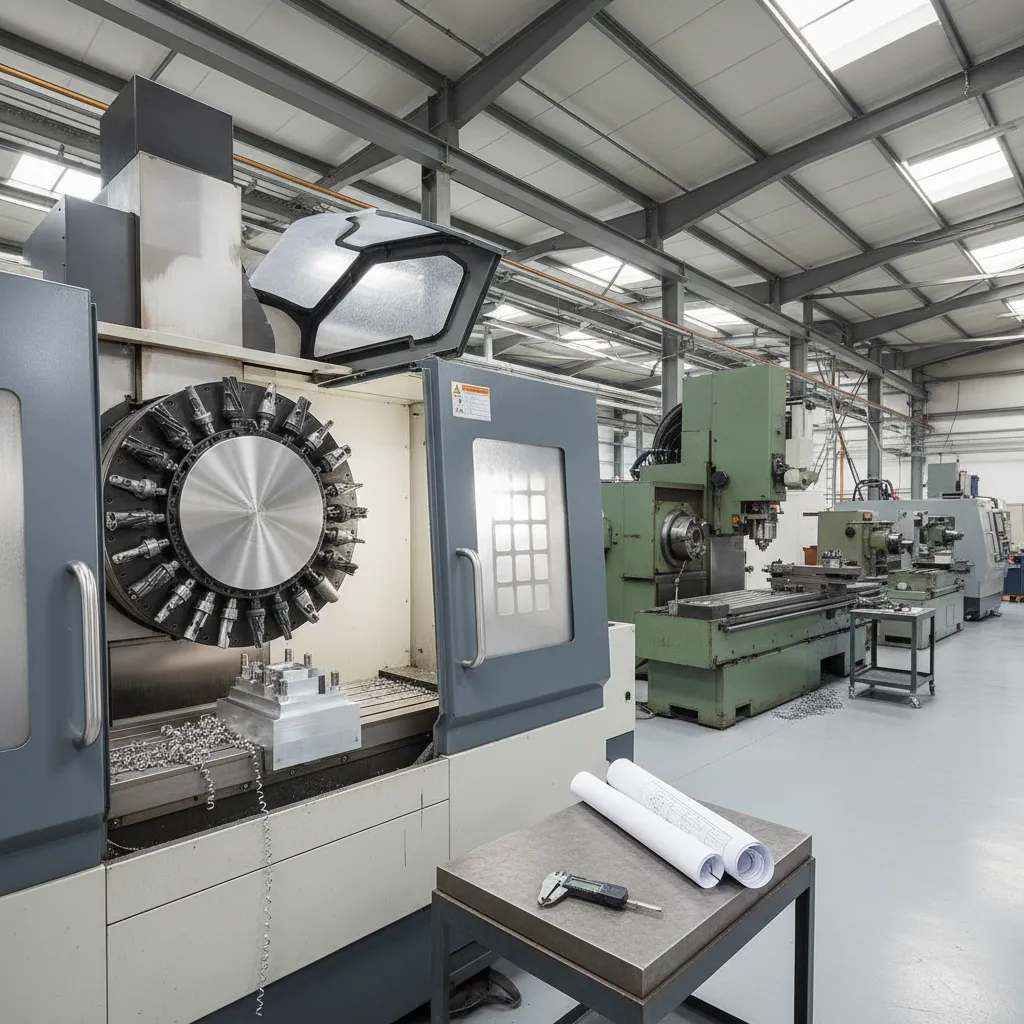
AppraiseItNow provides certified appraisals for metalworking equipment used in manufacturing, fabrication, job shops, and industrial production environments. Our appraisals support a wide range of purposes including asset-based lending, equipment financing, insurance coverage and claims, IRS estate and gift tax filings, charitable donations under IRS Form 8283, divorce proceedings, and business acquisitions or divestitures. Metalworking machinery often represents a significant portion of a manufacturer's total asset base, making accurate, defensible valuations critical for both financial reporting and transactional decisions. Our mission is to deliver defensible, USPAP-compliant valuations with exceptional speed, professionalism, and client service.
Our appraisers serve machine shops, metal fabricators, stamping and forming operations, tool and die manufacturers, and the attorneys, CPAs, lenders, and business brokers who advise them. Metalworking equipment appraisals are frequently completed using remote desktop methods when sufficient documentation, photos, and specifications are available, though onsite inspections are coordinated for large installations, complex multi-machine cells, or when operating condition is a material factor in value. Metalworking equipment appraisal is a specialized discipline within our broader equipment and machinery appraisal services. We offer Fair Market Value (FMV), Orderly Liquidation Value (OLV), Forced Liquidation Value (FLV), and Replacement Value appraisals for various intended uses.
What Types of Metalworking Equipment Do We Appraise?
AppraiseItNow appraises a wide range of metalworking and metal fabrication machinery across production environments of all sizes. Subtypes we commonly appraise include:
- CNC machining centers, vertical and horizontal mills
- CNC lathes and turning centers
- Laser cutting systems, including fiber and CO2 lasers
- Plasma and waterjet cutting equipment
- Press brakes, stamping presses, and forming equipment
- Welding equipment, including MIG, TIG, and robotic welding cells
- Grinding, honing, and surface finishing machines
- EDM (electrical discharge machining) equipment
- Tube bending and pipe fabrication machinery
- Coordinate measuring machines (CMMs) and metrology equipment
Who Does AppraiseItNow Serve?
AppraiseItNow serves machine shop owners, metal fabricators, manufacturers, and industrial operators who need independent valuations for financing, insurance, tax, or transactional purposes. We also work with attorneys, CPAs, lenders, and business brokers who require credentialed appraisals to support client matters involving metalworking assets.
How much does a Metalworking Equipment appraisal cost?
Appraisal Type
Standard Fee Range
Pricing By Volume
What Drives Cost?
.svg)
5-Star Valuation Services, Loved by Hundreds
{{sectionName}}

{{sectionName}}
{{sectionName}}
{{sectionName}}
Machinery & Equipment valuations for commercial and personal clients
Servicing Commercial & Industrial Businesses
AppraiseItNow serves major businesses and commercial clients, including:
- Banks and lenders
- Construction companies
- Infrastructure contractors
- Inudstrial & manufacturing companies
- Internal finance teams
- CPAs
- Attorneys

Servicing Individuals & Households
AppraiseItNow also serves individual consumers with projects large and small. These clients often include:
- Machinery & Equipment owners or estate inheritors
- Individuals making non-cash charitable donations
- Couples going through marital divorce
- Families dealing with estate planning or post-death estate matters
- Individuals dealing with insurance or other third-party claims
- Individuals going through major financial or other life events
.svg)
View all Locations
How our Valuation Process Works
Written USPAP-compliant equipment appraisals for when defensibility matters.
Given the USPAP-compliant nature of AppraiseItNow’s appraisal reports, we prepare our deliverables for major legal, tax, and financial reporting purposes for individual and commercial clients.
Popular uses of our appraisal reports include:
Tax, Estate & Financial Planning
- Gift Tax - IRS Form 709
- Estate Tax - IRS Form 706
- Charitable Donations - filing of IRS Form 8283
- Estate planning, equitable distribution, and probate
Transactions, Lending & Investment
- Asset-backed Lending
- Purchase price allocation & cost segregation
- Mergers & Acquisitions (transactional due diligence)
- Investment analysis & planning
- Financial Reporting
Insurance & Risk Management
Life Events & Special Circumstances
- Divorce
- Social Security reporting or Medicaid Application Filings
- E-2 visa applications
What types of metalworking equipment does AppraiseItNow appraise?
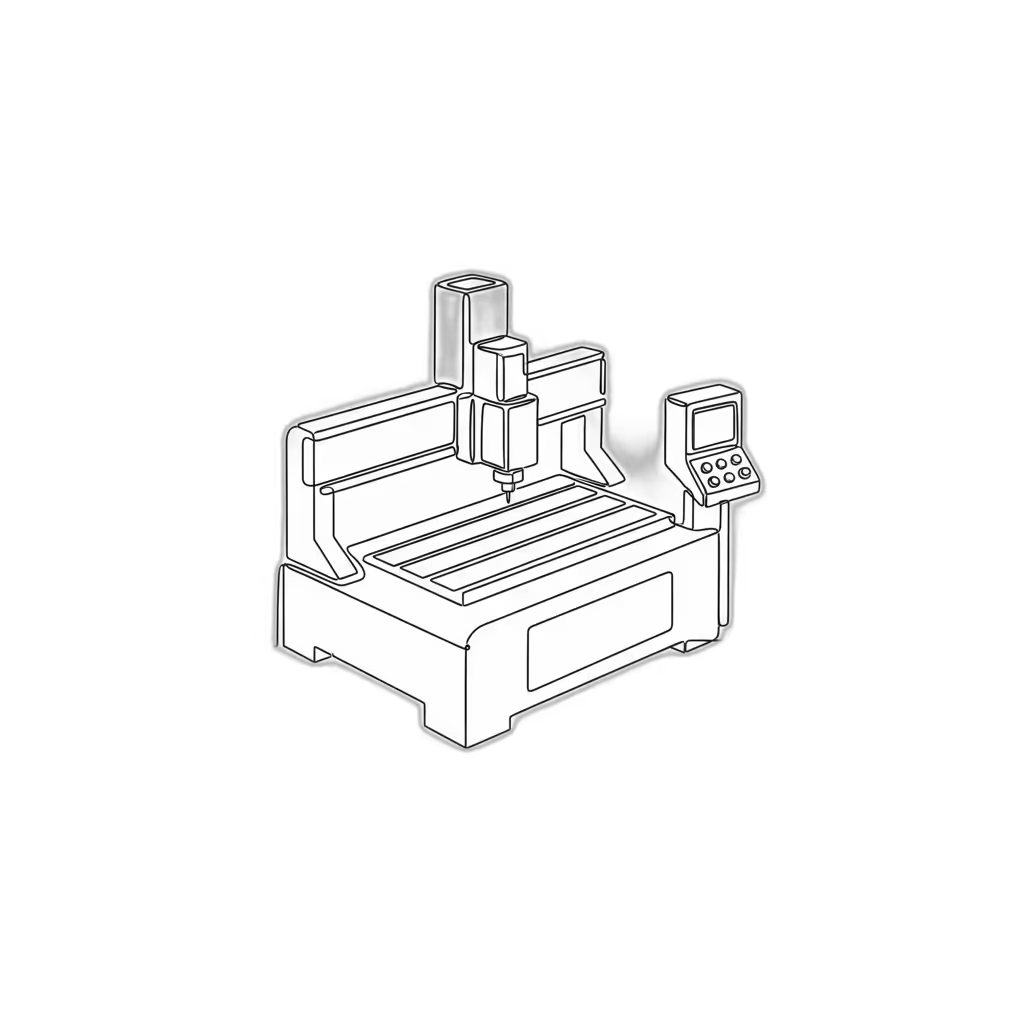
AppraiseItNow appraises a wide range of metalworking machinery and tooling used in commercial, industrial, and job-shop settings. Common equipment types include:
- CNC lathes, mills, and machining centers
- Manual lathes, milling machines, and drill presses
- Stamping presses, punch presses, and hydraulic presses
- Plasma cutters, laser cutters, and waterjet cutting systems
- Welding equipment and robotic welding cells
- Grinders, honing machines, and surface finishing equipment
- Sheet metal fabrication equipment including brakes, shears, and rollers
- EDM machines and wire EDM systems
- Inspection and metrology equipment such as CMMs
If your metalworking equipment is not listed here, contact us and we can confirm coverage before you get started.
Are your metalworking equipment appraisals USPAP-compliant?
Yes. All AppraiseItNow metalworking equipment appraisals are conducted in compliance with USPAP Standards 7 and 8, which govern personal property and machinery appraisals. Standard Rule 7-2 requires appraisers to identify the problem, define the intended use, confirm the effective date, and verify competency before accepting an assignment. Our appraisers meet the credentialing and continuing education requirements, including the 15-hour USPAP course and 7-hour biennial updates, and our reports are accepted by the IRS, lenders, insurers, and courts.
What are common reasons someone needs a metalworking equipment appraisal?
Metalworking equipment appraisals are needed across a broad range of financial, legal, and tax situations. Common reasons include:
- Securing asset-based loans or equipment financing using machinery as collateral
- Scheduling equipment for insurance coverage or filing an insurance claim
- Donating equipment to a nonprofit and claiming a charitable deduction on IRS Form 8283
- Reporting equipment value for estate tax purposes on IRS Form 706
- Mergers, acquisitions, or business sales requiring independent asset valuations
- Bankruptcy filings, litigation support, or divorce proceedings
- Liquidation planning, auction preparation, or orderly wind-down of operations
- Internal financial reporting, capital budgeting, or GAAP compliance
Can you appraise metalworking equipment in poor condition, with unknown provenance, or with limited documentation?
Yes. Appraisers routinely value metalworking equipment that is worn, partially functional, or lacking complete maintenance records. Physical condition, hours of use, and visible wear are assessed directly during inspection, and appraisers cross-reference auction results from platforms like Ritchie Bros. and IronPlanet along with dealer listings to establish comparable sales even when documentation is sparse. If serial numbers are missing or model history is unclear, appraisers use available physical characteristics and market data to develop a supportable value conclusion.
Can you appraise large collections or multiple machines?
Yes. AppraiseItNow regularly appraises entire machine shops, manufacturing lines, and mixed equipment inventories of any size. Whether you have a handful of CNC machines or a facility with dozens of presses, lathes, and fabrication tools, we can scope the engagement appropriately and provide volume pricing. Larger inventories of 50 or more items are frequently handled through onsite inspections to ensure accuracy and completeness.
Do you provide online or remote metalworking equipment appraisals?
Most metalworking equipment appraisals are completed remotely using photographs, serial numbers, equipment specifications, and available maintenance records submitted by the client. Remote appraisals are efficient and cost-effective for individual machines or smaller collections. For larger projects, complex manufacturing lines, or situations where physical inspection is required by scope or intended use, we can coordinate an in-person appraiser anywhere in the United States.
How much does a metalworking equipment appraisal cost?
Appraisal fees depend on the number of machines, the complexity of the equipment, and the intended use of the report. Standard appraisals for insurance, estate distribution, internal planning, and probate start at $295. Advanced appraisals for IRS filings, charitable contributions, M&A due diligence, asset-based lending, litigation, and bankruptcy start at $395. Volume pricing by number of items is as follows:
- 1 item: $295 to $595 for a single machine appraisal
- 10 items: $995 to $3,000 for a small fleet or mixed equipment set
- 50 or more items: $5,000 to $10,000 and up, frequently completed onsite
All fees are quoted as a fixed price before work begins so there are no surprises.
Do you offer discounted pricing for large volumes?
Yes. Pricing scales favorably as the number of machines increases, and volume engagements are scoped and quoted individually based on equipment type, location, and report complexity. Clients with 50 or more items typically receive the most competitive per-unit rates, and these larger projects are often handled through an onsite inspection to maximize efficiency and report defensibility.
How long does a metalworking equipment appraisal take?
Most remote metalworking equipment appraisals are completed within 7 to 10 business days from the time all required information is received. Onsite inspections or larger multi-machine inventories typically take 2 to 3 weeks to complete. Rush service is available for same-day or next-day turnaround upon request, which is useful for time-sensitive financing, litigation, or auction deadlines.
Who prepares the appraisal report?
Appraisal reports are prepared by credentialed machinery and equipment appraisers with direct experience valuing metalworking and industrial equipment. AppraiseItNow's team includes appraisers holding designations such as ASA (Accredited Senior Appraiser) and CEA (Certified Equipment Appraiser), and all reports are reviewed for USPAP compliance before delivery. The inspector's name, inspection date, and report date are documented in every report in accordance with AMEA standards.
Do you prepare appraisals for IRS Form 8283 (Noncash Charitable Contributions)?
Yes. When metalworking equipment with a claimed fair market value exceeding $5,000 is donated to a qualifying nonprofit, IRS rules require a qualified appraisal completed by a qualified appraiser, with the results reported on Section B of Form 8283. AppraiseItNow prepares these appraisals and includes the required appraiser declaration. It is worth noting that the appraiser must not be related to the donor or donee and must not have appraised the same property within the prior three years, and non-compliant appraisals can trigger penalties of 20 to 40 percent of the understated tax.
Do you buy, sell, or broker metalworking equipment?
No. AppraiseItNow is an independent appraisal firm and does not buy, sell, broker, or have any financial interest in the equipment we appraise. This independence is a core requirement of USPAP compliance and ensures that our valuations are objective and defensible for IRS, lender, insurer, and legal purposes.
What information do you need to get started?
Providing as much detail as possible upfront helps ensure an accurate and timely appraisal. Useful information includes:
- Manufacturer, model number, and serial number for each machine
- Year of manufacture or acquisition
- Current physical condition and any known damage or repairs
- Hours of use or production cycles if available
- Photographs of the machine, controls, and any visible wear or modifications
- Maintenance logs or service records if available
- Any recent purchase invoices, prior appraisals, or insurance schedules
- The intended use of the appraisal and the required effective date
Can AppraiseItNow appraise metalworking equipment located anywhere in the U.S.?
Yes. Remote appraisals are available for metalworking equipment located in any state, and most single-machine or smaller-collection assignments are completed entirely online. For larger or more complex projects, including full machine shop inventories or manufacturing facility wind-downs, we can coordinate an in-person appraiser in any state to conduct a physical inspection and document equipment condition on-site.
Will my appraisal be accepted by the IRS, insurers, or courts?
AppraiseItNow appraisals are USPAP-compliant, prepared by credentialed appraisers, and structured to meet the acceptance standards of the IRS, insurance carriers, lenders, and courts. IRS acceptance for tax filings requires a qualified appraisal by a qualified appraiser as defined under Treasury Regulations, and our reports satisfy those requirements. For litigation or bankruptcy matters, our reports include the methodology, data sources, and appraiser credentials needed to withstand scrutiny.
How do appraisers determine fair market value versus liquidation value for metalworking equipment, and when does each apply?
These are distinct value definitions that can produce significantly different numbers for the same machine. Fair market value assumes a willing buyer and seller with no compulsion and reasonable market exposure, while orderly liquidation value assumes a defined but limited selling period, and forced liquidation value assumes an immediate sale such as an auction. For metalworking equipment, the difference between FMV and forced liquidation value can be substantial, sometimes 40 to 70 percent, because used equipment carries an ownership stigma discount even for low-hour machines. The correct value type depends entirely on the intended use: FMV is required for IRS filings and charitable donations, while liquidation values are used for bankruptcy, asset-based lending, and auction planning.
How does technological obsolescence affect the appraised value of CNC and computer-controlled metalworking equipment?
Technological obsolescence is one of the most significant and often underestimated value drivers for CNC lathes, mills, and machining centers. Appraisers quantify this through economic obsolescence analysis, comparing paired sales of machines with legacy controls such as older Fanuc systems against otherwise identical machines with modern Siemens or current-generation controls. This analysis can reduce appraised value by 50 percent or more compared to a cost-only approach that ignores control system age, and it is a common point of IRS scrutiny when donated or estate-reported CNC equipment is valued without addressing functional and economic depreciation.
What happens if I need a metalworking equipment appraisal backdated to a prior effective date for an estate or casualty loss?
Appraisers can establish an effective date that differs from the inspection date or report date, which is often necessary for estate tax reporting, casualty loss claims, or retroactive insurance purposes. For estate tax under IRS Form 706, the effective date is typically the date of death or an alternate valuation date six months later, and metalworking values at that point in time must be supported by market data from that period, including auction results and dealer listings contemporaneous with the valuation date. Commodity price cycles, particularly steel and raw material markets, can cause metalworking equipment values to shift meaningfully over short periods, so precise effective date documentation is critical for IRS defensibility.
APPRAISEITNOW APPRAISERS ARE BEST-IN-CLASS & CREDENTIALED BY LEADING APPRAISAL ORGANIZATIONS LIKE THE ISA, ASA, & MORE.




