






USPAP-compliant appraisals by best-in-class appraisers
.avif)
Joe Kattan

Jason Dolph, CAGA

Tim Roy, ASA, CEA

Marnie Erkelens, CAGA

Aron Blue
About AppraiseItNow's Music Equipment Appraisal Services
AppraiseItNow provides fast, fully online or onsite appraisals for musical instruments and professional audio equipment used for tax filings, insurance coverage and claims, charitable donations (IRS Form 8283), estate and gift tax reporting, divorce proceedings, and asset-based lending. Whether the subject is a vintage guitar collection, a professional recording studio buildout, or a touring band's backline, our appraisers deliver credible, well-documented valuations that satisfy IRS, lender, and legal standards. Our mission is to deliver defensible, USPAP-compliant valuations with exceptional speed, professionalism, and client service.
Music equipment appraisals are a specialized subset of our broader equipment and machinery appraisal services, and we serve individual musicians, collectors, recording studios, schools, houses of worship, estates, and professional advisors including attorneys and CPAs. Most music equipment appraisals are completed remotely using photographs, serial numbers, and supporting documentation, though onsite inspection may be coordinated for large studio installations, pipe organs, or high-value vintage collections. We offer Fair Market Value (FMV), Orderly Liquidation Value (OLV), Forced Liquidation Value (FLV), and Replacement Value appraisals for various intended uses.
What Types of Music Equipment Do We Appraise?
Music equipment spans a wide range of instruments, electronics, and production gear. We appraise:
- Vintage and modern electric, acoustic, and bass guitars
- Orchestral string instruments including violins, violas, cellos, and double basses
- Brass and woodwind instruments including trumpets, saxophones, clarinets, and flutes
- Keyboards, synthesizers, and digital pianos
- Drum kits, percussion instruments, and electronic drum systems
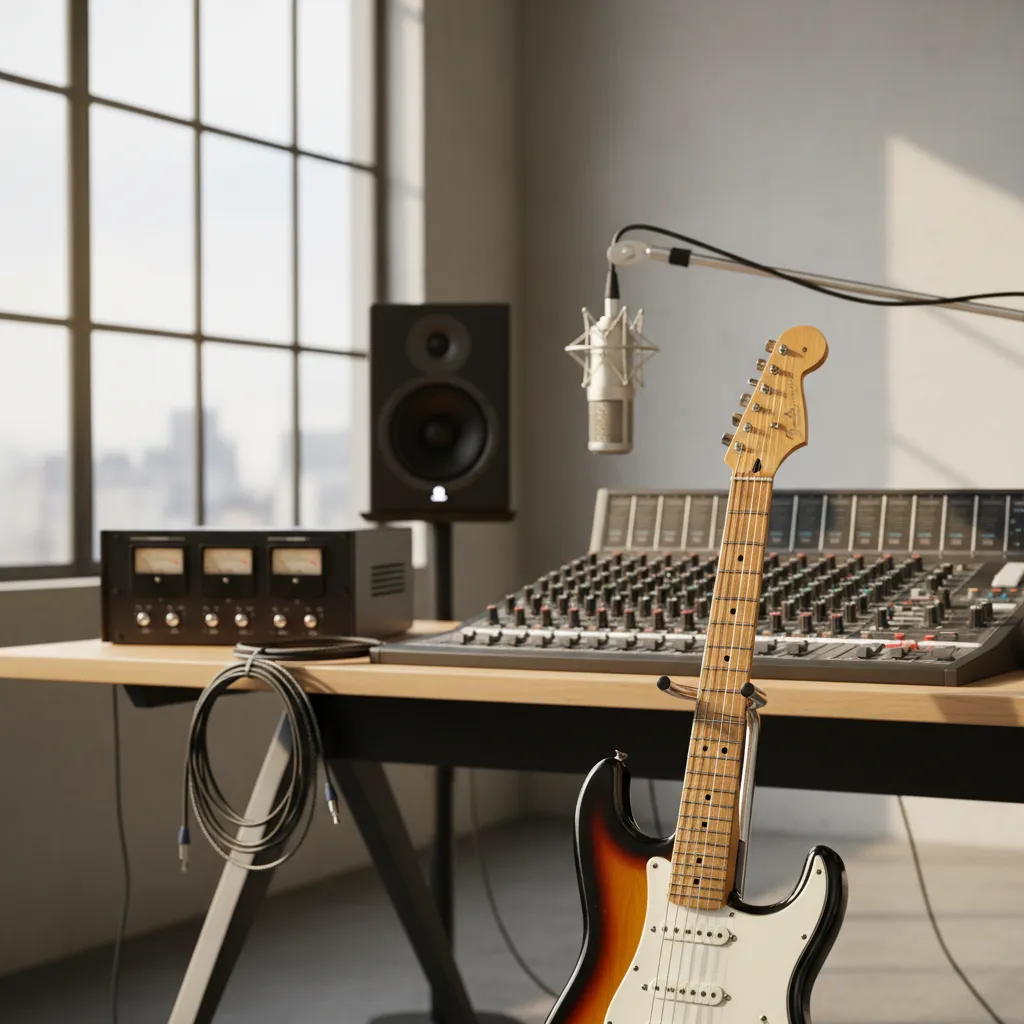
- Professional audio equipment including mixing consoles, outboard gear, and signal processors
- Studio monitors, amplifiers, and speaker cabinets
- Recording studio buildouts including microphones, preamps, and interface systems
- DJ and live sound equipment including PA systems and lighting rigs
- Pipe organs and large installed instruments in churches and performance venues
Who Does AppraiseItNow Serve?
AppraiseItNow serves individual musicians, collectors, recording studio owners, schools, houses of worship, and estates, as well as professional advisors such as attorneys, CPAs, and insurance professionals who require independent, credible valuations for their clients.
5-Star Valuation Services, Loved by Hundreds
{{sectionName}}

{{sectionName}}
{{sectionName}}
{{sectionName}}
Machinery & Equipment valuations for commercial and personal clients

Servicing Commercial & Industrial Businesses
AppraiseItNow serves major businesses and commercial clients, including:
- Banks and lenders
- Construction companies
- Infrastructure contractors
- Inudstrial & manufacturing companies
- Internal finance teams
- CPAs
- Attorneys

Servicing Individuals & Households
AppraiseItNow also serves individual consumers with projects large and small. These clients often include:
- Machinery & Equipment owners or estate inheritors
- Individuals making non-cash charitable donations
- Couples going through marital divorce
- Families dealing with estate planning or post-death estate matters
- Individuals dealing with insurance or other third-party claims
- Individuals going through major financial or other life events
.svg)
View all Locations
How our Valuation Process Works
Written USPAP-compliant equipment appraisals for when defensibility matters.
Given the USPAP-compliant nature of AppraiseItNow’s appraisal reports, we prepare our deliverables for major legal, tax, and financial reporting purposes for individual and commercial clients.
Popular uses of our appraisal reports include:
Tax, Estate & Financial Planning
- Gift Tax - IRS Form 709
- Estate Tax - IRS Form 706
- Charitable Donations - filing of IRS Form 8283
- Estate planning, equitable distribution, and probate
Transactions, Lending & Investment
- Asset-backed Lending
- Purchase price allocation & cost segregation
- Mergers & Acquisitions (transactional due diligence)
- Investment analysis & planning
- Financial Reporting
Insurance & Risk Management
Life Events & Special Circumstances
- Divorce
- Social Security reporting or Medicaid Application Filings
- E-2 visa applications
What types of music equipment does AppraiseItNow appraise?
AppraiseItNow appraises a wide range of musical instruments and audio equipment, from vintage and modern guitars, basses, and orchestral instruments to synthesizers, keyboards, drum kits, and DJ gear. We also appraise professional audio equipment including mixing consoles, amplifiers, studio monitors, microphones, recording hardware, and live sound systems. Whether you own a single vintage instrument or an entire recording studio's worth of gear, we can provide a certified valuation.
Are your music equipment appraisals USPAP-compliant?
Yes. All AppraiseItNow music equipment appraisals are conducted in accordance with the Uniform Standards of Professional Appraisal Practice, specifically USPAP Standards 7 and 8, which govern the development and reporting of personal property appraisals. Our reports are complete, clear, and not misleading, and are qualified for use with the IRS, insurance agencies, lenders, and courts. Appraisers maintain their USPAP certification through required coursework and biennial updates.
What are common reasons someone needs a music equipment appraisal?
There are many situations that call for a certified music equipment appraisal, including:
- Insurance coverage for instruments and studio gear
- Estate settlement or probate when musical instruments are part of an estate
- Charitable donation of instruments or equipment to schools, nonprofits, or museums
- Divorce proceedings requiring equitable distribution of assets
- Damage or theft claims filed with an insurer
- Asset-based lending using equipment as collateral
- Sale or purchase of a recording studio or music business
Can you appraise music equipment in poor condition, with unknown provenance, or with limited documentation?
Yes. Appraisers regularly value instruments and equipment that are worn, modified, damaged, or lacking original documentation such as receipts, certificates of authenticity, or serial number records. Condition is itself a key valuation factor, and our appraisers are trained to assess it objectively using market data and comparable sales. Even without full provenance, a defensible and credible value conclusion can be reached.
Can you appraise large collections or multiple instruments?
Absolutely. AppraiseItNow appraises everything from a single guitar to large collections spanning hundreds of instruments, vintage amplifiers, and professional audio systems. We work with recording studios, music schools, estates, and private collectors who need comprehensive inventories valued in a single engagement. Volume pricing is available for larger collections, and onsite inspections can be coordinated when the scope requires it.
Do you provide online or remote music equipment appraisals?
Most music equipment appraisals are completed remotely using photographs, serial numbers, descriptions, and supporting documentation you provide. This approach is efficient, accurate, and works well for the majority of instruments and audio gear. For larger collections, recording studios, or situations where a physical inspection is warranted, we can coordinate an in-person appraiser anywhere in the United States.
How much does a music equipment appraisal cost?
Pricing depends on the purpose of the appraisal and the number of items involved. Standard appraisals, used for insurance coverage, estate distribution, probate, and internal planning, start at $295. Advanced appraisals for IRS filings, charitable contributions on IRS Form 8283, litigation support, bankruptcy, and transactional uses start at $395. Volume pricing by number of items is as follows:
- 1 item: $295 to $595
- 10 items: $995 to $3,000
- 50 or more items: $5,000 to $10,000 and up, frequently completed onsite
Do you offer discounted pricing for large volumes?
Yes. Pricing scales favorably as the number of items increases, making it cost-effective to appraise entire collections, studio inventories, or multi-instrument estates in a single engagement. For collections of 50 or more items, fees are quoted based on scope and are frequently completed with an onsite inspection. Contact AppraiseItNow for a custom quote on larger projects.
How long does a music equipment appraisal take?
Most remote music equipment appraisals are completed within 7 to 10 business days from the time all required information is received. Onsite inspections or larger collections typically take 2 to 3 weeks. If you have a deadline, rush service is available for same-day or next-day turnaround upon request.
Who prepares the appraisal report?
Appraisal reports are prepared by credentialed, experienced appraisers who specialize in personal property and equipment valuations. Each report is reviewed for accuracy, completeness, and USPAP compliance before delivery. AppraiseItNow's team includes appraisers with designations such as ASA (Accredited Senior Appraiser) and CAGA (Certified Appraisal Guild of America), supported by client success staff throughout the process.
Are your appraisers ISA, ASA, or AAA credentialed?
Yes. AppraiseItNow's personal property appraisers hold credentials from recognized professional organizations including the American Society of Appraisers (ASA) and the Certified Appraisal Guild of America (CAGA). These designations require demonstrated competency, adherence to USPAP, and ongoing education. Credentialed appraisers are important for IRS-related filings, insurance claims, and legal proceedings where appraiser qualifications may be scrutinized.
Do you prepare appraisals for IRS Form 8283 (Noncash Charitable Contributions)?
Yes. When the claimed value of donated music equipment or instruments exceeds $5,000, the IRS requires a qualified appraisal completed by a qualified appraiser, reported on IRS Form 8283. AppraiseItNow prepares appraisals that meet these requirements, including the necessary appraiser qualifications, methodology disclosures, and report content standards. This is one of the most common reasons musicians and music organizations request a certified appraisal.
Do you prepare appraisals for IRS Form 706 (Estate Tax)?
Yes. When a decedent's estate includes valuable instruments, vintage gear, or professional audio equipment, those assets must be reported at fair market value on IRS Form 706. AppraiseItNow prepares USPAP-compliant estate appraisals that satisfy IRS documentation requirements and can withstand scrutiny from estate attorneys, accountants, and tax authorities.
Do you buy, sell, or broker music equipment?
No. AppraiseItNow is an independent appraisal firm and does not buy, sell, or broker music equipment of any kind. This independence is essential to producing unbiased, credible valuations that are accepted by the IRS, insurers, lenders, and courts. Our sole role is to provide objective, certified opinions of value.
What information do you need to get started?
To begin a music equipment appraisal, it helps to provide as much of the following as possible:
- Make, model, and year of manufacture for each item
- Serial numbers, where available
- Photographs showing the overall condition, any wear, modifications, or damage
- Original purchase receipts, invoices, or prior appraisals
- Any certificates of authenticity, case candy, or original accessories
- The intended purpose of the appraisal, such as insurance, estate, or donation
- Your preferred turnaround timeframe
Can AppraiseItNow appraise music equipment located anywhere in the U.S.?
Yes. Remote appraisals are available to clients in all 50 states, and the majority of music equipment appraisals are completed without requiring a physical visit. For larger collections, recording studio inventories, or complex assignments where an in-person inspection is needed, AppraiseItNow can coordinate a qualified appraiser onsite in any state.
Will my appraisal be accepted by the IRS, insurers, or courts?
AppraiseItNow's reports are prepared to meet the standards required by the IRS, insurance carriers, lenders, and courts. They are USPAP-compliant, prepared by qualified appraisers, and include all required disclosures, methodologies, and certifications. For IRS purposes, our appraisers meet the definition of a "qualified appraiser" under Treasury Regulations, which is a requirement for charitable donation and estate tax filings.
How do appraisers determine the value of a vintage or collectible instrument?
Appraisers use a sales comparison approach, researching recent transactions for comparable instruments through platforms such as Reverb, Vintage King, auction records, and dealer price guides. Factors that influence value include the year and country of manufacture, originality of parts, finish condition, playability, rarity of the specific model or configuration, and any documented history or provenance. Modifications, replaced hardware, or refinished bodies can significantly reduce value compared to all-original examples, and appraisers account for these differences when selecting and adjusting comparables.
What is the difference between replacement value and fair market value for music equipment, and which one does my insurer need?
Replacement value reflects the cost to replace an item with one of similar kind, quality, and utility at current retail prices, and is the standard most insurers require for coverage purposes. Fair market value, by contrast, represents the price a willing buyer and seller would agree upon in an open market, which is typically lower than replacement cost and is used for estate, donation, and tax purposes. It is important to confirm with your insurance carrier which value type your policy requires before ordering an appraisal, since using the wrong standard can result in underpayment on a claim.
Does the IRS require a qualified appraisal for donated music equipment, and are there dollar thresholds that trigger this requirement?
Yes. Under IRS rules, a qualified appraisal is required when the claimed deduction for donated noncash property exceeds $5,000 for a single item or a group of similar items donated to the same organization in the same tax year. The appraisal must be conducted by a qualified appraiser no earlier than 60 days before the donation and no later than the due date of the tax return on which the deduction is claimed. The appraiser must sign IRS Form 8283 as part of the filing, and the report must meet specific content requirements outlined in Treasury Regulations Section 1.170A-17.
APPRAISEITNOW APPRAISERS ARE BEST-IN-CLASS & CREDENTIALED BY LEADING APPRAISAL ORGANIZATIONS LIKE THE ISA, ASA, & MORE.




