






USPAP-compliant appraisals by best-in-class appraisers
.avif)
Joe Kattan

Jason Dolph, CAGA

Tim Roy, ASA, CEA

Marnie Erkelens, CAGA

Aron Blue
About AppraiseItNow's Prosthetics Appraisal Services
AppraiseItNow provides certified appraisals for prosthetic devices and related assistive technology for purposes including insurance coverage and claims, estate settlement, charitable donation (IRS Form 8283), divorce proceedings, and asset-based lending. Prosthetics represent a specialized and technically complex category of medical equipment, with values that vary significantly based on device type, manufacturer, customization, and functional condition. Our mission is to deliver defensible, USPAP-compliant valuations with exceptional speed, professionalism, and client service.
As a specialized subset of our broader equipment and machinery appraisal services, prosthetics appraisals serve individuals, healthcare providers, attorneys, insurers, and estate administrators who require independent, credentialed valuations. Many prosthetics appraisals can be completed remotely using device documentation, manufacturer specifications, and photographic evidence, though onsite inspection may be coordinated for high-value or highly customized devices. We offer Fair Market Value (FMV), Orderly Liquidation Value (OLV), Forced Liquidation Value (FLV), and Replacement Value appraisals for various intended uses.
What Types of Prosthetics Do We Appraise?
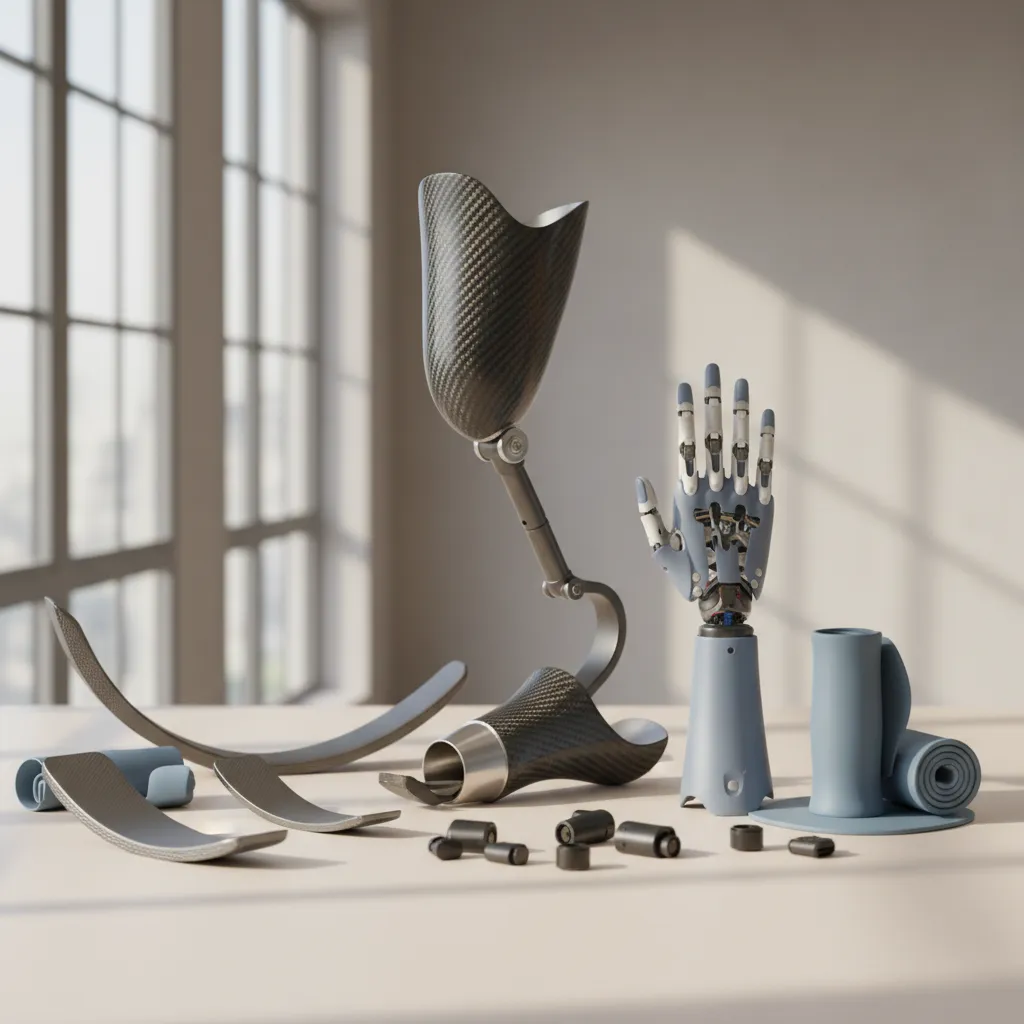
Prosthetics span a wide range of device categories, from basic functional limbs to advanced microprocessor-controlled systems. AppraiseItNow appraises:
- Transtibial (below-knee) prosthetic limbs
- Transfemoral (above-knee) prosthetic limbs, including microprocessor-controlled knees
- Upper extremity prosthetics, including myoelectric and body-powered arms and hands
- Partial foot and partial hand prosthetics
- Osseointegrated prosthetic systems
- Activity-specific prosthetics, including running blades and sport prosthetics
- Pediatric prosthetic devices
- Custom-fabricated socket systems and componentry
- Prosthetic liners, suspension systems, and terminal devices appraised as part of a complete system
Who Does AppraiseItNow Serve?
AppraiseItNow serves individuals, families, and healthcare professionals who need credentialed prosthetics valuations, as well as attorneys, CPAs, and insurance professionals handling claims, estate matters, or litigation involving these assets.
5-Star Valuation Services, Loved by Hundreds
{{sectionName}}

{{sectionName}}
{{sectionName}}
{{sectionName}}
Machinery & Equipment valuations for commercial and personal clients
Servicing Commercial & Industrial Businesses
AppraiseItNow serves major businesses and commercial clients, including:
- Banks and lenders
- Construction companies
- Infrastructure contractors
- Inudstrial & manufacturing companies
- Internal finance teams
- CPAs
- Attorneys

Servicing Individuals & Households
AppraiseItNow also serves individual consumers with projects large and small. These clients often include:
- Machinery & Equipment owners or estate inheritors
- Individuals making non-cash charitable donations
- Couples going through marital divorce
- Families dealing with estate planning or post-death estate matters
- Individuals dealing with insurance or other third-party claims
- Individuals going through major financial or other life events
.svg)
View all Locations
How our Valuation Process Works
Written USPAP-compliant equipment appraisals for when defensibility matters.
Given the USPAP-compliant nature of AppraiseItNow’s appraisal reports, we prepare our deliverables for major legal, tax, and financial reporting purposes for individual and commercial clients.
Popular uses of our appraisal reports include:
Tax, Estate & Financial Planning
- Gift Tax - IRS Form 709
- Estate Tax - IRS Form 706
- Charitable Donations - filing of IRS Form 8283
- Estate planning, equitable distribution, and probate
Transactions, Lending & Investment
- Asset-backed Lending
- Purchase price allocation & cost segregation
- Mergers & Acquisitions (transactional due diligence)
- Investment analysis & planning
- Financial Reporting
Insurance & Risk Management
Life Events & Special Circumstances
- Divorce
- Social Security reporting or Medicaid Application Filings
- E-2 visa applications
What types of prosthetics does AppraiseItNow appraise?
AppraiseItNow appraises a wide range of prosthetic devices, from upper and lower limb prosthetics to advanced bionic and myoelectric systems. Our appraisers are familiar with devices from leading manufacturers such as Össur and Ottobock, as well as custom-fabricated and patient-specific units. Common types we appraise include:
- Lower limb prosthetics including transtibial and transfemoral systems
- Upper limb prosthetics including body-powered and myoelectric arms
- Microprocessor-controlled knees and ankles
- Bionic prosthetics such as the DEKA Arm
- Prosthetic components including carbon fiber feet, titanium pylons, and hydraulic joints
- Pediatric and custom-fabricated prosthetic devices
Are your prosthetics appraisals USPAP-compliant?
Yes. Prosthetics qualify as personal property under USPAP, and all AppraiseItNow appraisals are developed and reported in accordance with USPAP Standards 7 and 8. These standards require appraisers to identify the appraisal problem, determine the appropriate scope of work, collect and analyze relevant data, and communicate findings without misleading statements. Our reports are defensible for use with the IRS, insurance carriers, lenders, and courts.
What are common reasons someone needs a prosthetics appraisal?
There are several situations that call for a formal prosthetics appraisal. The most frequent include:
- Charitable donation deductions, where the IRS requires a qualified appraisal for noncash contributions exceeding $5,000 in fair market value on Form 8283
- Estate and inheritance tax reporting on Form 706 when a gross estate exceeds the applicable exemption threshold
- Insurance claims for theft, damage, or loss, requiring replacement value documentation
- Divorce and legal settlements requiring equitable distribution of assets
- Business inventory valuation for prosthetic firms involved in sales, financing, or tax planning
- Bankruptcy filings and asset-based lending
Can you appraise prosthetics in poor condition, with unknown provenance, or with limited documentation?
Yes. Appraisers assess value based on observable physical condition, remaining functionality, and available market data even when documentation is incomplete. Condition factors such as wear patterns, socket alignment, component serial numbers, and joint resistance are evaluated directly. Limited provenance does not prevent a credible appraisal, though it may affect the methodology used and the confidence level of the value conclusion.
Can you appraise large collections or multiple prosthetic units?
Yes. AppraiseItNow handles everything from single devices to large inventories of prosthetic equipment held by medical suppliers, rehabilitation facilities, or estates. We can appraise mixed collections that include components, finished devices, and related accessories in a single engagement. Volume pricing is available for larger assignments, and onsite inspection can be coordinated when the size or complexity of the collection warrants it.
Do you provide online or remote prosthetics appraisals?
Most prosthetics appraisals are completed remotely using photographs, manufacturer documentation, serial numbers, and other records you provide. This approach is efficient and works well for individual devices or smaller collections. For larger projects, complex inventories, or situations where physical inspection is required by the scope of work, we can coordinate an in-person appraiser anywhere in the United States.
How much does a prosthetics appraisal cost?
Prosthetics appraisal fees depend on the number of items, the complexity of the devices, and the intended use of the report. Standard appraisals for insurance coverage, estate distribution, internal planning, and probate start at $295. Advanced appraisals for IRS filings, charitable contributions on Form 8283, litigation support, M&A due diligence, asset-based lending, and bankruptcy start at $395. Volume pricing tiers are as follows:
- 1 item: $295 to $595
- 10 items: $995 to $3,000
- 50 or more items: $5,000 to $10,000 or more, frequently completed onsite
Do you offer discounted pricing for large volumes?
Yes. Assignments covering 10 or more prosthetic devices are priced at a lower per-unit rate than single-item appraisals. For inventories of 50 or more items, we provide custom quotes that reflect the full scope of the project, including any onsite inspection requirements. Contact AppraiseItNow directly to discuss volume pricing for your specific situation.
How long does a prosthetics appraisal take?
Most remote prosthetics appraisals are completed within 7 to 10 business days from the time we receive all necessary information and documentation. Onsite inspections or larger collections typically take 2 to 3 weeks. If you have a deadline, rush service is available for same-day or next-day turnaround upon request.
Who prepares the appraisal report?
Appraisal reports are prepared by credentialed machinery and personal property appraisers with experience valuing medical devices and prosthetic equipment. Each report is reviewed for USPAP compliance and accuracy before delivery. AppraiseItNow's team includes appraisers holding designations such as ASA and CAGA, supported by a client success team that manages the process from intake to final report.
Are your appraisers ISA, ASA, or AAA credentialed?
Yes. AppraiseItNow's appraisers hold recognized credentials including the ASA (American Society of Appraisers) and CAGA designations. The ASA requires appraisers to include a USPAP compliance declaration in every report, affirming impartiality and adherence to professional standards. We also work with appraisers affiliated with the International Society of Appraisers (ISA) and the American Appraisers Association (AAA) depending on the nature of the assignment.
Do you prepare appraisals for IRS Form 8283 (Noncash Charitable Contributions)?
Yes. When the fair market value of donated prosthetics exceeds $5,000, the IRS requires a qualified appraisal completed by a qualified appraiser, with the appraiser's signature included on Form 8283, Section B. AppraiseItNow prepares appraisals that meet these requirements, including the necessary appraiser credentials, methodology documentation, and donee acknowledgment support. Failing to obtain a qualified appraisal for donations above this threshold can result in the deduction being disallowed entirely.
Do you prepare appraisals for IRS Form 706 (Estate Tax)?
Yes. When a decedent's gross estate exceeds the applicable federal exemption, all personal property including prosthetic devices must be valued at fair market value as of the date of death. AppraiseItNow prepares USPAP-compliant appraisals suitable for Form 706 filings, using the cost approach adjusted for depreciation and available sales comparison data. Our reports include the documentation and methodology required to support estate tax positions with the IRS.
Do you buy, sell, or broker prosthetics?
No. AppraiseItNow is an independent appraisal firm and does not buy, sell, or broker prosthetic devices. This independence is essential to producing unbiased, credible valuations that are accepted by the IRS, insurers, and courts. Any financial interest in the property being appraised would disqualify an appraiser from providing a qualified appraisal under IRS rules.
What information do you need to get started?
Providing thorough information upfront helps us complete your appraisal efficiently and accurately. Useful items to gather include:
- Photographs of the device from multiple angles, including any wear, damage, or identifying markings
- Manufacturer name, model number, and serial number if available
- Original purchase invoices or prescription records
- Service history and records of any repairs or modifications
- Fitter or prosthetist certifications associated with the device
- The intended purpose of the appraisal, such as insurance, donation, or estate
- Any prior appraisals or valuation documents
Can AppraiseItNow appraise prosthetics located anywhere in the U.S.?
Yes. Remote appraisals are available nationwide and can be completed without an in-person visit for most individual devices and smaller collections. For larger or more complex projects, such as a prosthetic supplier's full inventory or an estate with multiple high-value devices, we can coordinate an in-person appraiser in any state. Our nationwide coverage ensures consistent quality and USPAP compliance regardless of location.
Will my appraisal be accepted by the IRS, insurers, or courts?
AppraiseItNow appraisals are USPAP-compliant and prepared by qualified appraisers, meeting the standards required by the IRS for charitable contribution and estate tax filings. Our reports include the methodology, comparable data, and appraiser certifications that insurance carriers and courts expect in a defensible valuation. We have experience preparing appraisals for litigation support, bankruptcy proceedings, and federal tax filings, and our reports are structured to withstand scrutiny in each of those contexts.
How do appraisers determine fair market value for patient-specific prosthetic sockets and liners?
Patient-specific sockets and liners present a unique valuation challenge because they are custom-fabricated to fit a single individual and cannot be reused by another patient without significant modification or hygiene risk. As a result, these components can lose 70 to 90 percent of their replacement cost value, and appraisers must note their non-transferable status in the report. Fair market value for these items reflects what a willing buyer would pay in an open market, which is often 40 to 60 percent below the cost of a new device even when the component is in excellent functional condition.
Does the FDA recall status of a prosthetic device affect its appraised value?
Yes. Appraisers check the FDA's MAUDE database to verify whether a prosthetic device is subject to any recalls or adverse event reports, since a device with an active recall or documented safety defect carries materially lower market value. A recalled device may be unsaleable in its current state, which can reduce its fair market value to near zero or limit the appraisal to scrap or parts value only. This regulatory check is a standard part of a thorough prosthetics appraisal and is particularly important for Class I and Class II FDA-regulated devices.
How are advanced bionic prosthetics such as microprocessor knees and DEKA-style arms valued differently from mechanical prosthetics?
Advanced bionic prosthetics often carry high replacement costs, sometimes exceeding $70,000 to $100,000 for a single microprocessor knee or multi-articulating hand, but they also depreciate faster than mechanical devices once newer technology enters the market. Appraisers typically apply a steeper annual depreciation rate, around 30 percent per year for bionic systems compared to roughly 20 percent for mechanical prosthetics, reflecting how quickly post-patent competition erodes market prices. Comparable sales data from platforms such as MedWOW and DOTmed, adjusted for condition and technology generation, are used alongside manufacturer pricing sheets and CMS HCPCS fee schedules to arrive at a supportable value conclusion.
APPRAISEITNOW APPRAISERS ARE BEST-IN-CLASS & CREDENTIALED BY LEADING APPRAISAL ORGANIZATIONS LIKE THE ISA, ASA, & MORE.




