
Whether you're buying your first business or selling one you've built over decades, getting the valuation right can make or break the deal. A proper business appraisal protects you from overpaying as a buyer or underselling as an owner, ensuring every transaction reflects true market value.
Business appraisals use three main approaches: income-based methods that project future earnings, market comparisons with similar companies, and asset-based valuations of tangible and intangible property. Professional appraisers typically combine these methods to arrive at fair market value, considering factors like cash flow, industry trends, and economic conditions.
Quick fact: According to appraiseitnow.com, businesses with professional appraisals are 40% more likely to close at asking price compared to those without certified valuations.
Key factors that determine business value
Several critical elements shape how appraisers assess your business worth. Financial performance tops the list, including revenue trends, profit margins, and cash flow patterns over the past three to five years. Consistent growth signals stability, while volatile earnings may lower valuations.
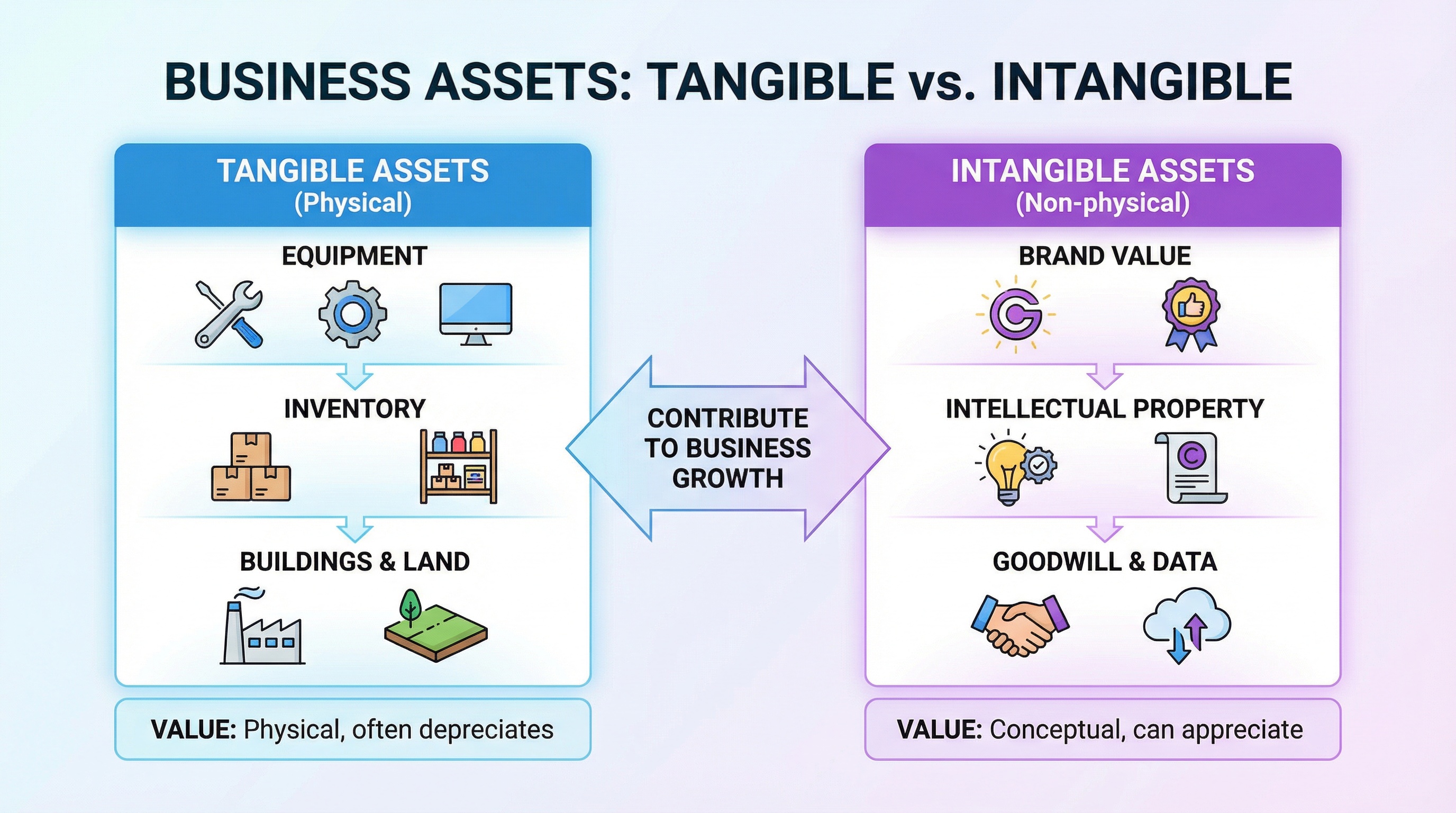
Tangible assets like equipment, inventory, and real estate provide concrete value, but don't overlook intangible assets such as brand reputation, customer relationships, and intellectual property. A strong brand can significantly boost valuation, especially in service industries where relationships drive revenue. Understanding what types of business assets need appraisal helps ensure you're accounting for all value drivers in your assessment.
Market conditions and industry trends also influence value. A growing sector with high demand will command premium valuations, while declining industries face downward pressure. Your appraiser will analyze comparable sales, industry multiples, and economic forecasts to contextualize your business within current market realities.
Three proven valuation methods explained
Professional appraisers rely on established methodologies to ensure accurate assessments. The income approach projects future cash flows and discounts them to present value, making it ideal for profitable businesses with predictable earnings. This method works particularly well for service companies with steady client bases.
The market approach compares your business to similar companies that recently sold, using industry multiples like price-to-earnings or revenue ratios. This method provides real-world validation but requires sufficient comparable data to be effective.
| Method | Best For | Key Advantage | Limitation |
|---|---|---|---|
| Income Approach | Stable cash flow businesses | Future earning potential | Requires accurate projections |
| Market Approach | Companies with comparables | Real transaction data | Limited comparable sales |
| Asset Approach | Asset-heavy businesses | Concrete asset values | Ignores earning potential |
The asset approach calculates net worth by valuing all assets and subtracting liabilities. While straightforward, this method often undervalues businesses with strong earning potential or significant intangible assets. For a deeper understanding of how to interpret business asset appraisals, consider consulting with qualified professionals who can explain the nuances of each methodology.
Pro tip: Most professional appraisals combine all three methods, weighting each based on your business type and industry characteristics for the most accurate valuation.
How professional appraisers protect your interests
A qualified business appraiser brings objectivity and expertise that benefits both buyers and sellers. They analyze financial statements, assess market conditions, and identify potential risks that could affect value. This professional perspective helps establish realistic pricing expectations and supports informed decision-making.
For sellers, appraisers highlight value drivers you might overlook, potentially increasing your sale price. They also identify weaknesses that could hurt negotiations, giving you time to address issues before listing. Buyers benefit from independent validation of asking prices and insight into hidden risks or opportunities. Learning about the benefits of hiring a professional appraiser for purchase and sale transactions can help you understand the full scope of value they provide.
Professional appraisers understand industry-specific factors that influence value. A manufacturing business requires different analysis than a tech startup or retail operation. Their specialized knowledge ensures your appraisal reflects industry standards and market realities.

Steps to ensure fair pricing in any transaction
Start by gathering comprehensive financial documentation including three to five years of tax returns, financial statements, and cash flow records. Organize contracts, leases, and legal documents that affect business operations. Complete documentation speeds the appraisal process and improves accuracy. For detailed guidance on how to prepare for a business assets appraisal, review best practices for organizing your financial records.
Research comparable businesses in your industry and region to understand market pricing trends. While you shouldn't rely solely on this research, it provides valuable context for evaluating appraisal results and negotiating effectively.
Consider engaging a certified business appraiser early in the process, whether you're buying or selling. Their assessment provides a solid foundation for pricing decisions and negotiations. For complex businesses or high-value transactions, the appraisal cost represents a small investment compared to potential pricing errors. If you're unsure about how to find the right business assets appraiser, look for professionals with relevant industry certifications and experience.
Important note: Business appraisal costs typically range from $3,000 to $15,000 depending on company size and complexity, but this investment often pays for itself through better pricing and faster transactions.
Getting your business valuation right requires understanding the key factors that drive value, the methods appraisers use, and how professional expertise protects your financial interests. Whether you're entering the market as a buyer or preparing to sell, a thorough appraisal provides the confidence and credibility needed for successful transactions. The investment in professional valuation services typically pays dividends through more accurate pricing, smoother negotiations, and better outcomes for everyone involved. To explore what to expect from a professional appraisal for purchase and sale, consult with experienced appraisers who can guide you through the entire process.