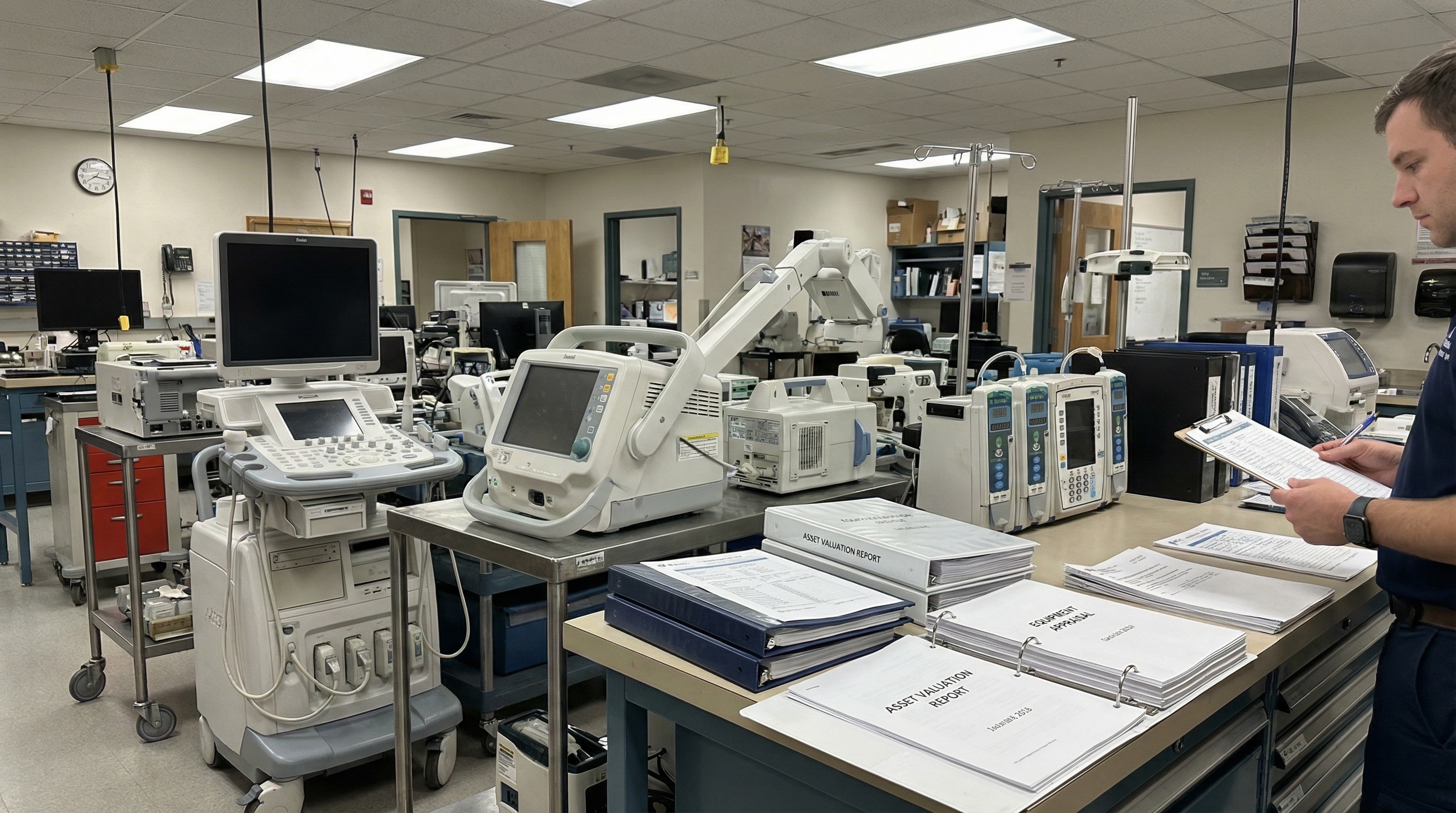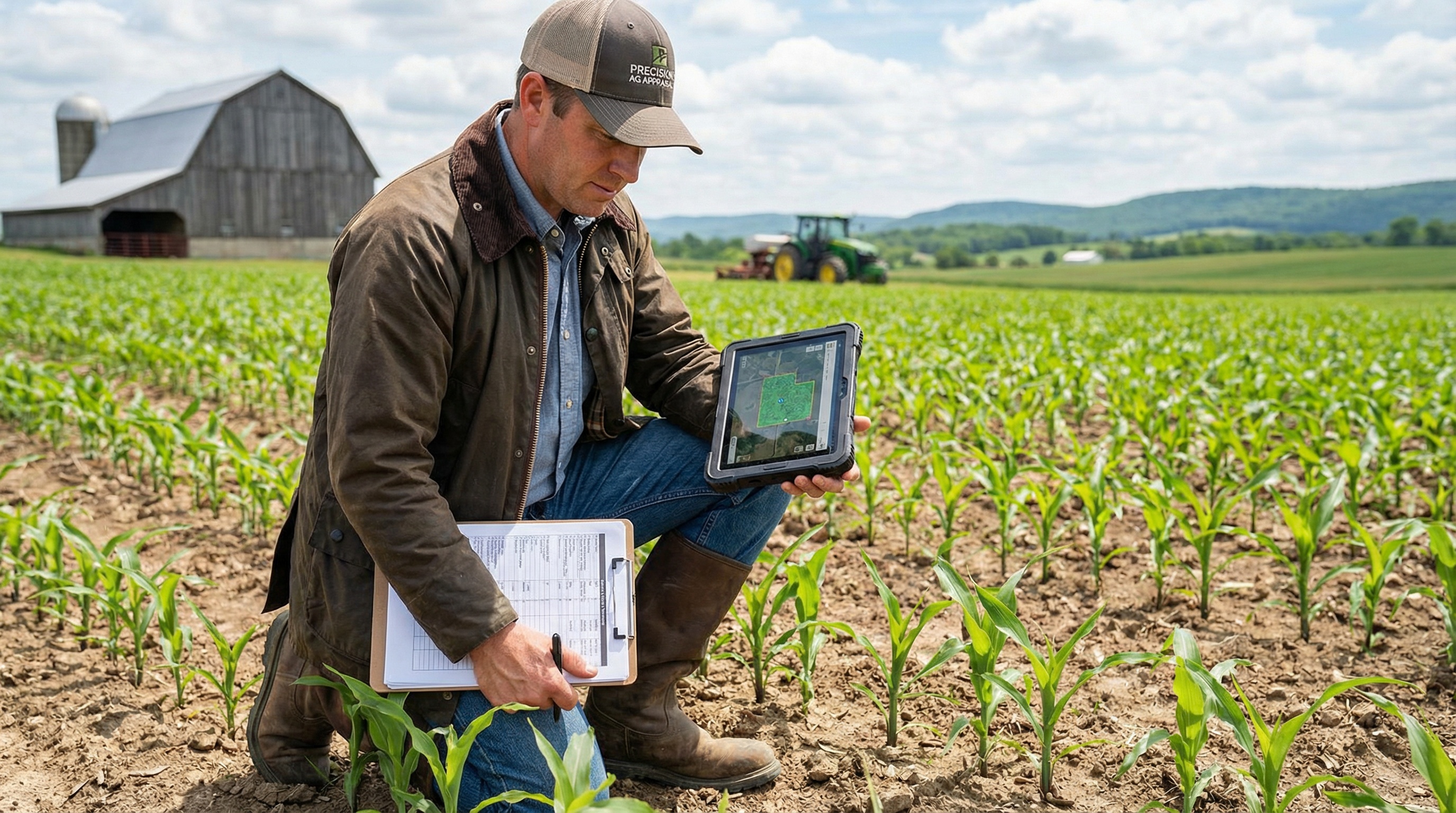
Agricultural property valuation has become increasingly complex as appraisers navigate volatile commodity markets, evolving regulations, and climate-related risks. Today's agricultural appraisers must balance traditional valuation methods with new technologies while managing heightened professional liability in an environment where accurate assessments directly impact financing decisions, estate planning, and legal disputes.
Whether you're a professional appraiser, agricultural lender, farm owner, or investor, understanding these challenges helps ensure you make informed decisions about property valuations. The stakes are high - inaccurate appraisals can affect loan approvals, tax assessments, and transaction outcomes worth millions of dollars.
Key Insight: Agricultural appraisals now require expertise in market analysis, environmental science, regulatory compliance, and emerging technologies - making it one of the most challenging specialties in real estate valuation.
Market volatility and pricing challenges
Fluctuating commodity prices create significant challenges for agricultural appraisers when determining property values. Unlike residential real estate, agricultural properties derive their value primarily from income-generating potential, which directly correlates with crop prices and market conditions.
Short planting seasons compound this challenge. When weather patterns limit growing windows or reduce yields, appraisers must adjust their income projections accordingly. This requires analyzing multi-year yield histories, understanding regional climate patterns, and incorporating crop insurance data into valuation models.
Global market factors add another layer of complexity. Trade disputes, currency fluctuations, and international supply conditions can dramatically shift commodity prices within months. Understanding how U.S. tariffs impact farm equipment appraisals becomes essential when these macro-economic factors affect both property values and equipment valuations. Appraisers must consider these macro-economic factors when projecting future income streams and determining appropriate capitalization rates.

The challenge extends beyond simple price volatility. Appraisers must distinguish between temporary market disruptions and fundamental shifts in agricultural economics. This requires sophisticated analysis of forward price curves, basis patterns, and long-term supply-demand fundamentals.
Regulatory complexity and compliance requirements
Agricultural appraisers face an increasingly complex regulatory environment that affects both their professional practice and the properties they value. Federal and state regulations governing land use, environmental compliance, and agricultural programs directly impact property values and require specialized knowledge.
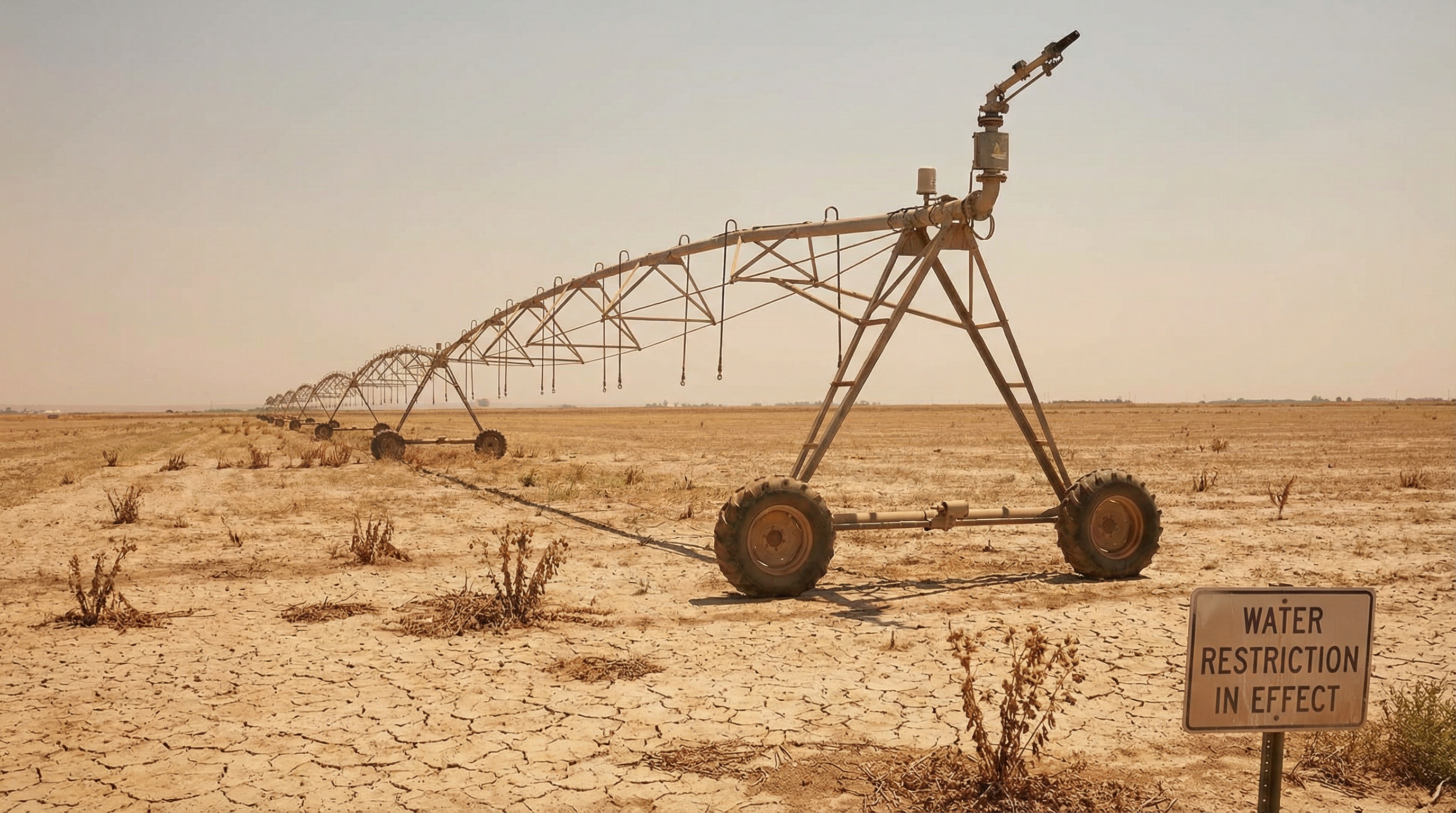
Water rights regulations present particular challenges. In many regions, water access determines a property's highest and best use. Appraisers must understand local water law, irrigation rights, and regulatory restrictions that can significantly affect land values. Changes in water allocation or environmental regulations can transform productive farmland into marginal property overnight.
Conservation programs and environmental regulations add another dimension. Properties enrolled in Conservation Reserve Programs, wetland designations, or subject to nutrient management requirements require careful analysis of how these restrictions affect income potential and marketability.
Important Note: Professional standards like USPAP require appraisers to stay current with all applicable regulations, making continuing education essential for maintaining competency and avoiding liability issues.
Professional liability has increased as lenders, courts, and regulatory agencies scrutinize appraisals more closely. For those seeking guidance on what sets professional farm equipment appraisers apart, understanding regulatory compliance and professional standards is crucial. Appraisers must document their methodology thoroughly, clearly state assumptions and limiting conditions, and ensure their reports meet evolving professional standards.
Technology integration and data management
Modern agricultural appraisal increasingly relies on sophisticated technology tools that enhance accuracy but require new skills and investment. Geographic Information Systems (GIS), satellite imagery, and precision agriculture data provide unprecedented detail about soil conditions, productivity variations, and land use patterns.
Drone technology allows appraisers to survey large properties efficiently and document conditions that might be missed during ground-level inspections. This technology proves particularly valuable for assessing drainage systems, crop conditions, and infrastructure on extensive agricultural operations. How technology is revolutionizing agricultural equipment appraisal demonstrates the transformative impact of these innovations on the industry.
However, technology integration presents challenges. Appraisers must balance automated analysis with professional judgment, ensuring they don't over-rely on software outputs. The key lies in using technology to enhance traditional appraisal methods rather than replace fundamental valuation principles.
Data quality remains a significant concern. While more information is available than ever before, appraisers must verify data accuracy and understand the limitations of automated analysis tools. This requires ongoing education and careful quality control processes.
Environmental and climate considerations
Climate change and environmental factors increasingly influence agricultural property values. Appraisers must consider how changing precipitation patterns, temperature extremes, and severe weather events affect long-term productivity and risk profiles.
Water availability represents one of the most critical environmental factors. Drought conditions, groundwater depletion, and competing water demands can fundamentally alter a property's value proposition. Appraisers must assess both current water security and long-term sustainability when valuing irrigation-dependent properties.
Environmental liabilities pose additional challenges. Soil contamination, pesticide residues, and nutrient loading issues can create significant remediation costs that affect property values. Appraisers must identify potential environmental issues and factor cleanup costs into their analysis.
Regulatory responses to environmental concerns add complexity. Carbon credit programs, emissions regulations, and conservation requirements create new income opportunities and compliance costs that appraisers must understand and incorporate into their valuations.
The agricultural appraisal profession continues evolving as practitioners adapt to these multifaceted challenges. Success requires combining traditional valuation expertise with new technical skills, regulatory knowledge, and environmental awareness. For property owners and lenders, working with qualified appraisers who understand these complexities ensures more accurate valuations and better-informed decisions. Those preparing for an appraisal should review this checklist for preparing your agricultural equipment for appraisal to ensure a smooth process.
Understanding the benefits of agricultural equipment appraisal helps stakeholders appreciate the value that professional appraisers bring to complex agricultural transactions and property management decisions.
At AppraiseItNow, our agricultural appraisal specialists stay current with industry developments and maintain the expertise needed to navigate these complex challenges, providing USPAP-compliant reports that meet the highest professional standards.