When your bank requires a farm equipment appraisal for that refinancing deal, or your attorney needs one for an estate settlement, the stakes couldn't be higher. The wrong appraiser can derail your loan approval, create tax complications, or leave you underinsured by thousands of dollars. A quality USPAP-compliant appraisal from an experienced professional protects your financial interests and ensures acceptance by lenders, courts, and the IRS.
This guide walks you through everything you need to know about farm equipment appraisals, from understanding the process to asking the right questions that separate qualified professionals from those who might leave you exposed.
Quick Answer: The most critical questions focus on USPAP compliance, agricultural machinery experience, report types offered, turnaround time, and fee structure. Always verify the appraiser's credentials and ask for examples of their work being accepted by banks or courts.
What is a farm equipment appraisal and when do you need one
A farm equipment appraisal is an independent, professional valuation of agricultural machinery that follows Uniform Standards of Professional Appraisal Practice (USPAP) guidelines. Unlike a simple estimate, it provides legally defensible documentation of fair market value that banks, insurers, courts, and the IRS will accept.
You'll need a farm equipment appraisal when buying or selling machinery, securing financing or refinancing loans, settling estates or divorce proceedings, establishing insurance coverage, handling tax depreciation schedules, or resolving business disputes. Each situation may require different standards of value and report types. Understanding when to hire a farm equipment appraiser can help you determine the right timing for your specific needs.
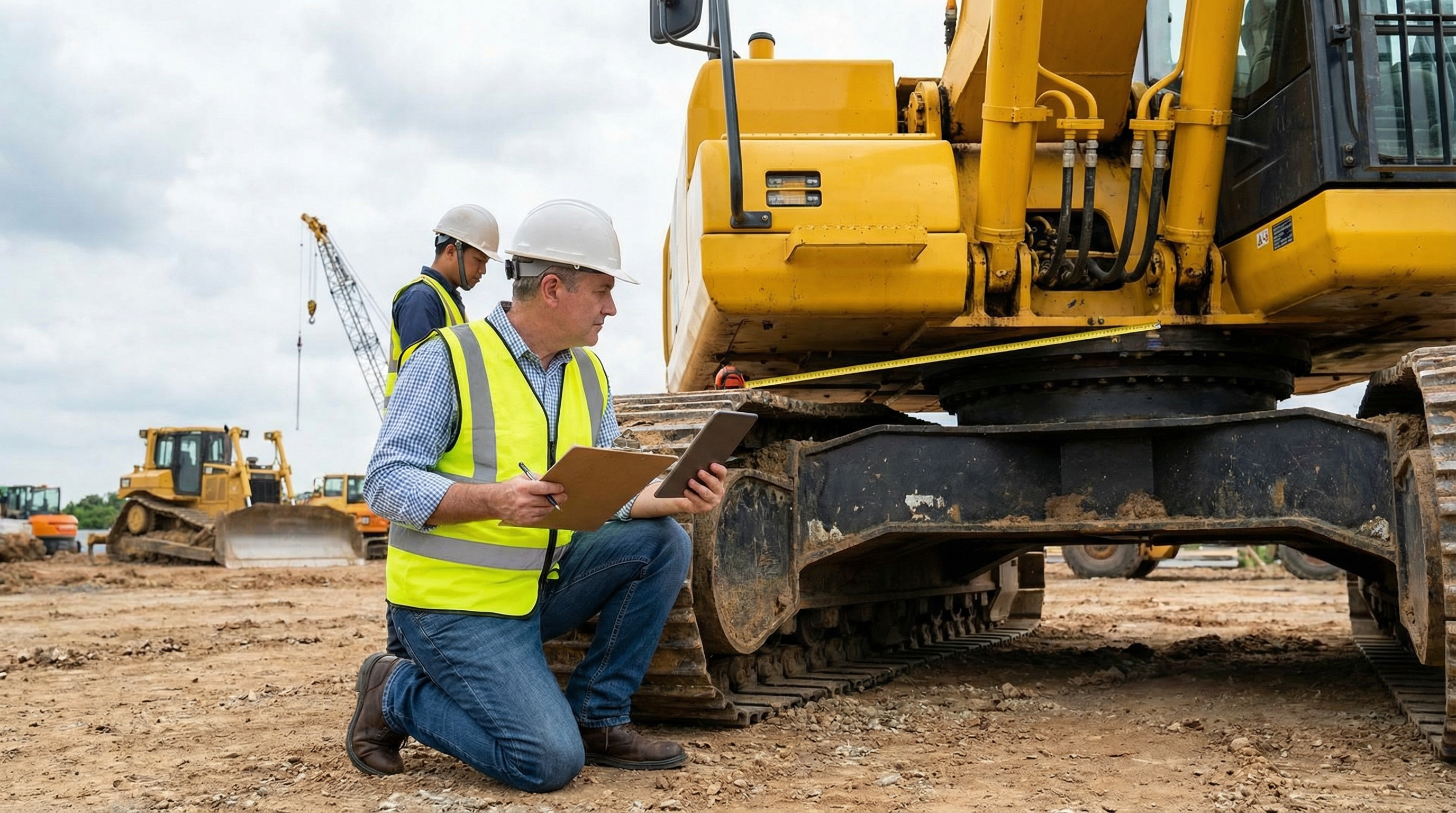
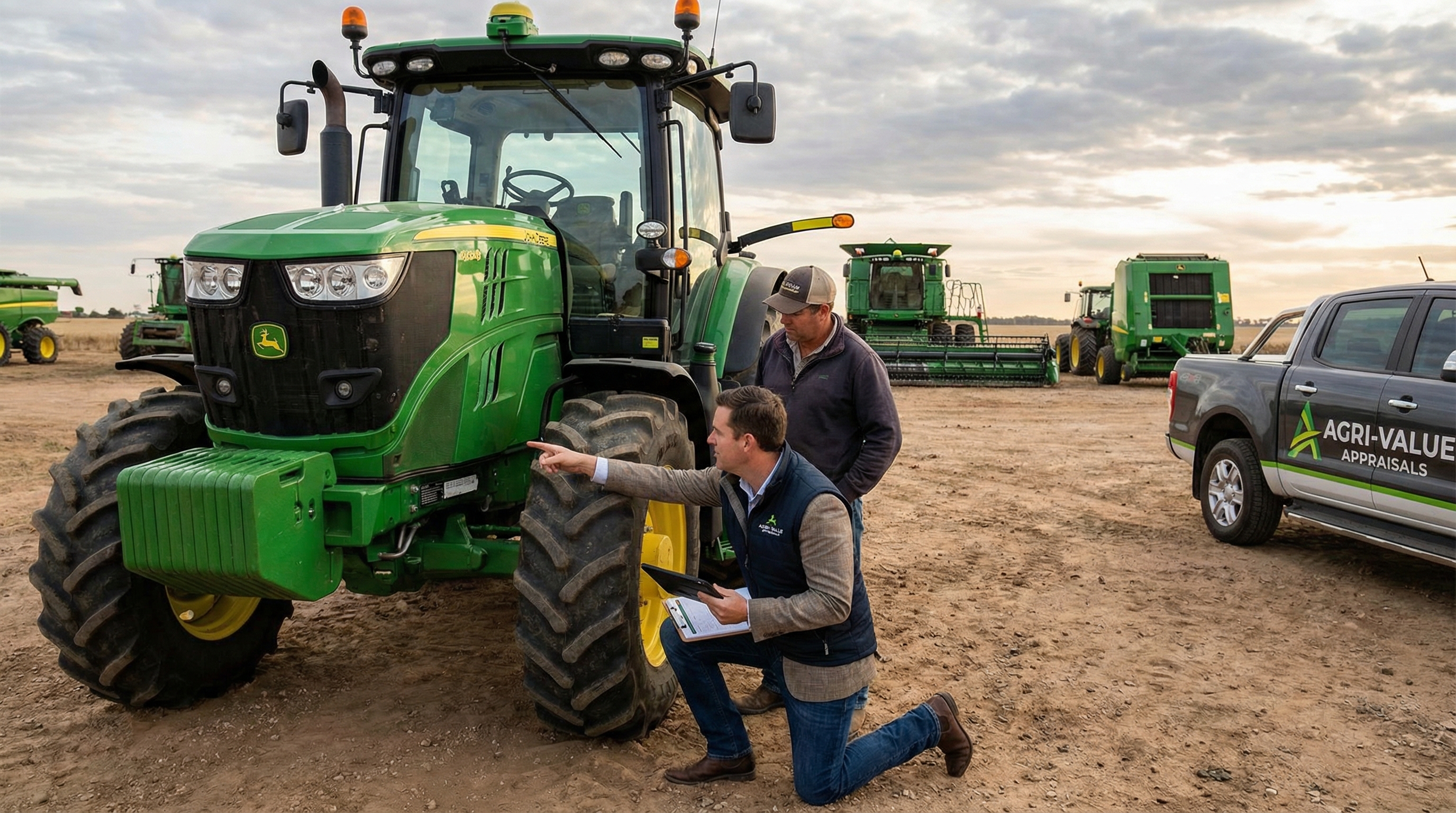
The appraisal process typically involves defining the scope and intended use, collecting equipment data and documentation, conducting on-site or desktop inspections, analyzing comparable sales and market data, and delivering a comprehensive report with photos and supporting documentation.
Questions about qualifications and experience
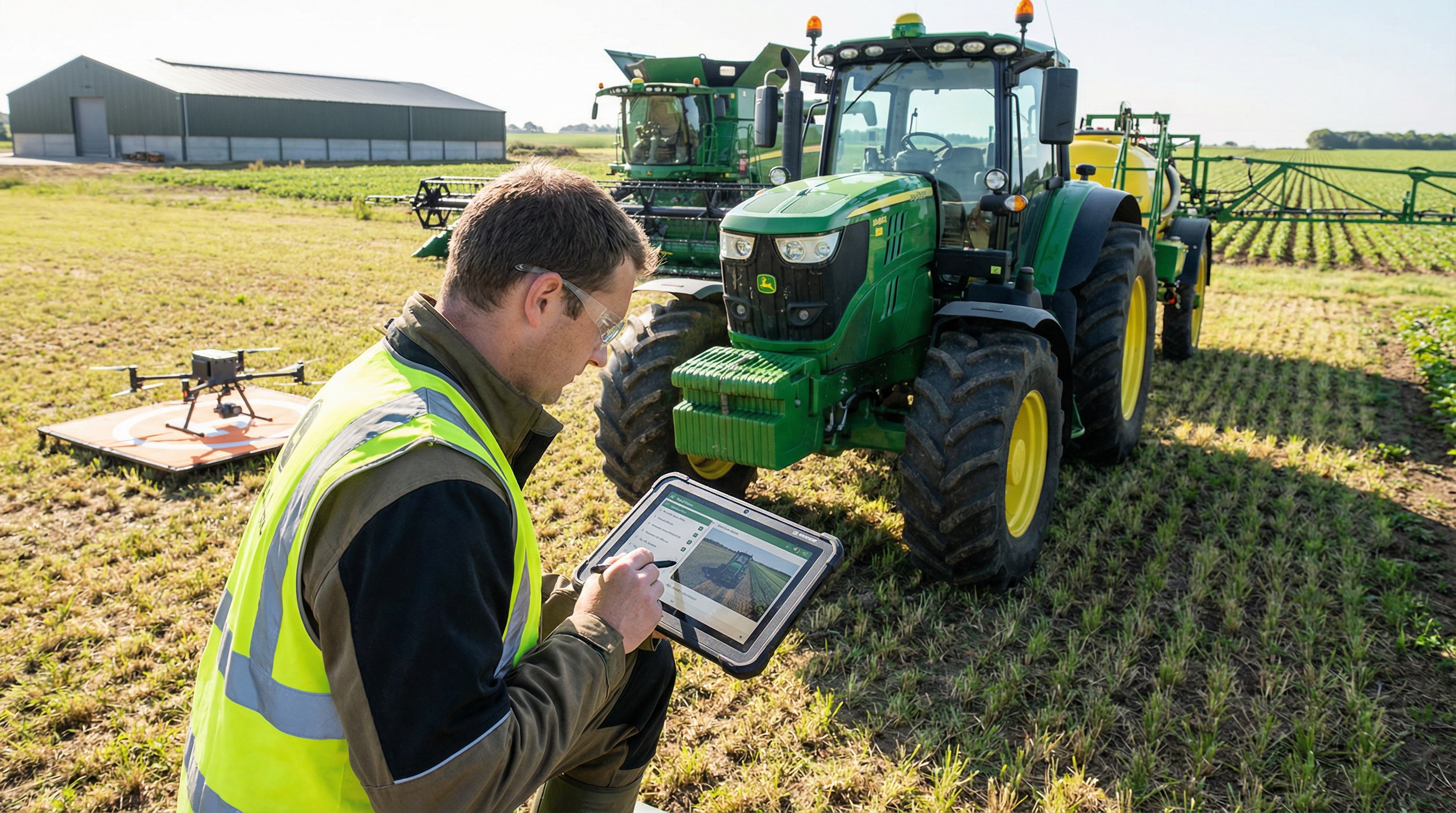
Start by asking how long they've been appraising farm equipment specifically, not just general machinery. Agricultural equipment has unique considerations around seasonality, usage patterns, and specialized markets that require dedicated experience.
Find out what percentage of their work involves agricultural machinery and which types they handle most frequently. An appraiser who primarily works on construction equipment may not understand the nuances of combine harvesters or specialty crop equipment. Learning what sets professional farm equipment appraisers apart can help you identify truly qualified experts.
Ask about their professional designations and memberships. Look for credentials from recognized organizations like the American Society of Appraisers (ASA), Certified Machinery and Equipment Appraisers (CMEA), or the International Society of Appraisers (ISA). These designations require ongoing education and peer review. Understanding credentialing for farm equipment appraisers will help you evaluate their qualifications.
Request references from similar agricultural clients and ask if their appraisals have been accepted by major agricultural lenders or used in court proceedings. This demonstrates real-world validation of their work quality.
Key Insight: An appraiser with 20 years of general equipment experience but only occasional farm work may be less qualified than someone with 5 years focused exclusively on agricultural machinery.
Questions about compliance and methodology
Verify that their reports are USPAP-compliant and ask for specific examples of their work being accepted by banks, the IRS, or courts. Non-compliant reports may be rejected when you need them most, forcing costly delays and rework.
Ask which valuation approaches they use and why. The three main approaches are market (comparable sales), cost (replacement cost less depreciation), and income (earning potential). A qualified appraiser should explain which approaches apply to your situation and equipment types. For a deeper understanding, review the basics of farm equipment appraisal.
Inquire about their independence and conflict of interest policies. Professional appraisers must maintain independence from the transaction outcome and disclose any potential conflicts that could affect their objectivity.
Request to see an anonymized sample report to understand the level of detail and documentation they provide. Quality reports include detailed equipment descriptions, market analysis, photographs, and clear explanations of methodology.
Report types and inspection options
Understanding report types helps you choose the right level of service for your needs. Summary reports provide basic valuation information suitable for internal planning. Restricted reports offer more detail but limit distribution to specific parties. Self-contained reports provide comprehensive analysis typically required for litigation or complex transactions.
| Report Type | Best For | Typical Cost | Detail Level |
|---|---|---|---|
| Summary | Internal planning, basic insurance | Lower | Basic |
| Restricted | Bank lending, specific purposes | Moderate | Detailed |
| Self-contained | Litigation, complex transactions | Higher | Comprehensive |
Ask whether they offer on-site or desktop appraisals and understand the trade-offs. On-site inspections provide more accurate condition assessments and stronger legal defensibility but cost more and take longer. Desktop appraisals rely on photos and documentation you provide, making them faster and less expensive but potentially less detailed.
Confirm that your chosen report type and inspection method will be acceptable to whoever requested the appraisal. Banks and courts often have specific requirements that must be met for the report to be valid.
Cost, timeline, and preparation requirements
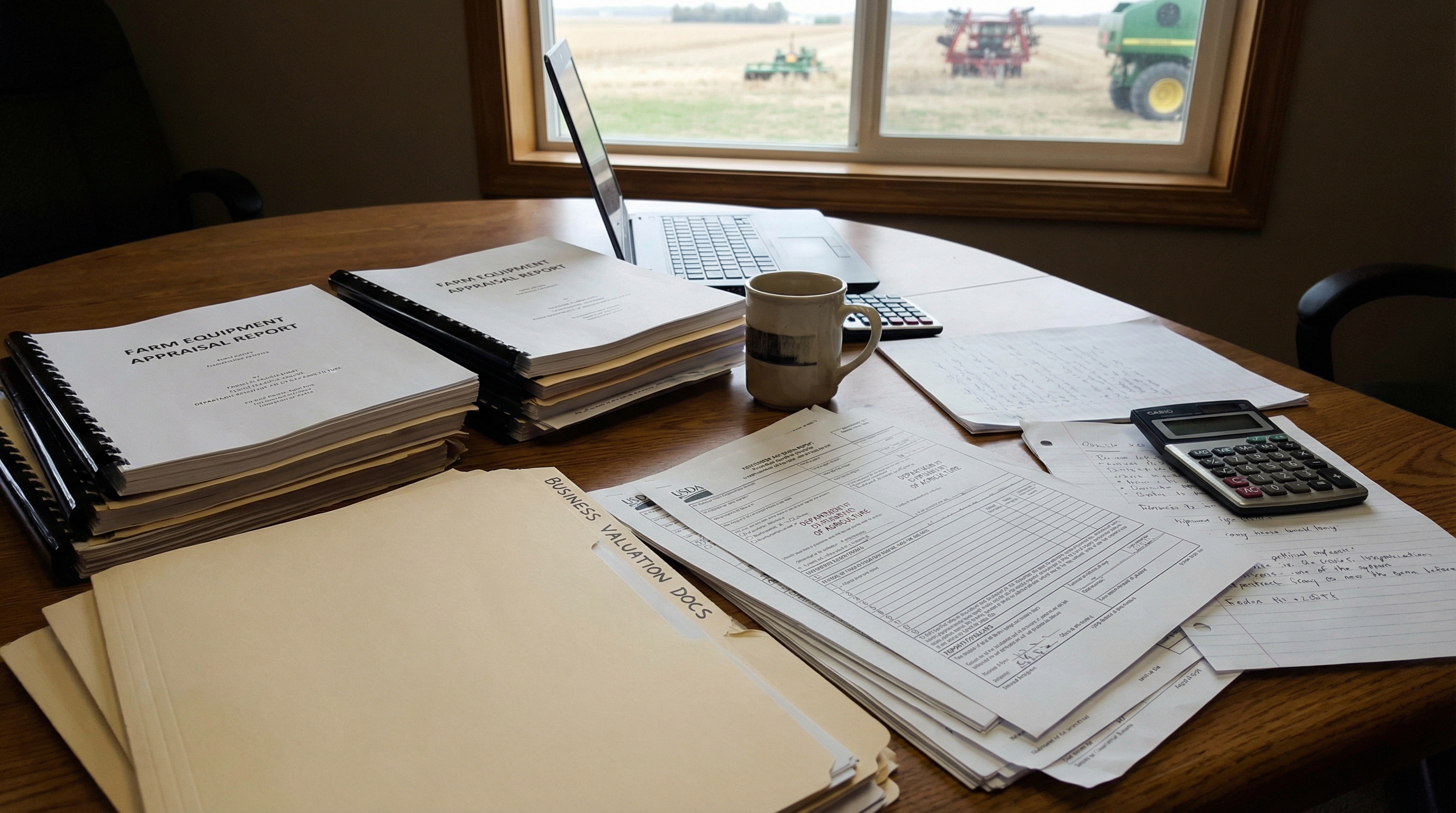
Most appraisers charge either a flat fee per asset, an hourly rate, or a project-based fee depending on complexity. Ask for a written quote that clearly outlines what's included and what additional fees might apply for travel, rush service, or extra copies. Learn more about the cost of farm equipment appraisal to budget appropriately.
Typical turnaround times range from one to three weeks depending on the number of assets and inspection requirements. Rush jobs may be available for an additional fee, but be wary of appraisers who promise unrealistically fast completion times for complex assignments.
Prepare for the appraisal by gathering equipment lists with make, model, year, and serial numbers, purchase documentation, maintenance records, hour meters or usage data, and current condition notes. Good preparation reduces appraisal time and costs while improving accuracy. Use this checklist for preparing your agricultural equipment for appraisal to ensure you're ready.
Pro Tip: Ask if the appraiser provides post-report support if questions arise from your bank, insurance company, or other parties. This service can be invaluable if clarification is needed later.
The right farm equipment appraiser combines agricultural expertise, professional credentials, and USPAP compliance to deliver reports that stand up to scrutiny. By asking these essential questions and understanding the appraisal process, you can hire with confidence and protect your financial interests. Avoid common mistakes to avoid during a farm equipment appraisal to ensure the best outcome. At AppraiseItNow, our USPAP-compliant appraisers specialize in agricultural machinery and have extensive experience with bank, IRS, and court assignments nationwide. Contact us to discuss your specific needs and get a transparent quote for your farm equipment appraisal.