When your business needs financing for that new excavator or you're facing an insurance claim on damaged equipment, one wrong valuation can cost you thousands of dollars. Many business owners discover too late that their equipment is either underinsured or overvalued for tax purposes, leading to significant financial losses.
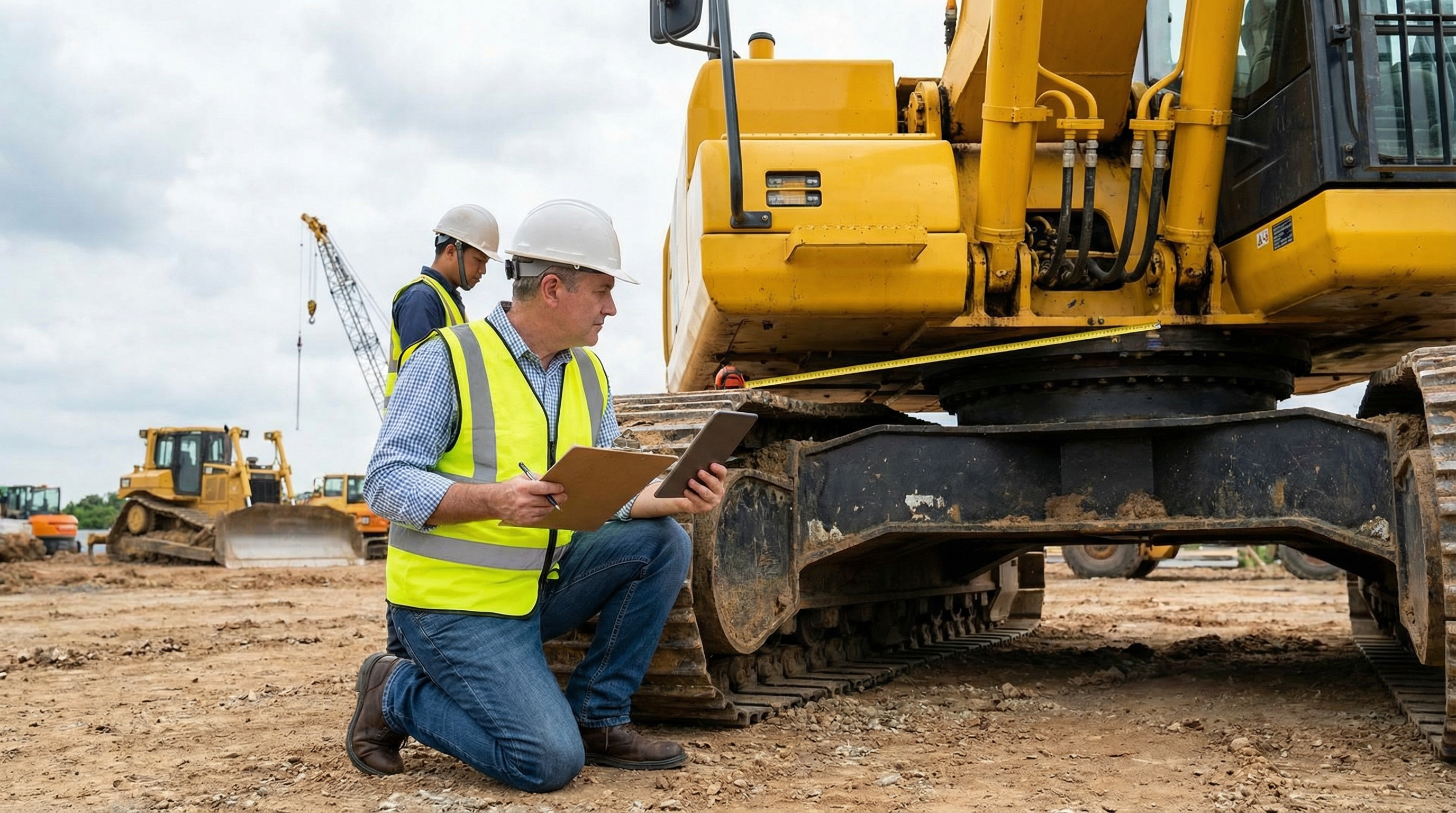
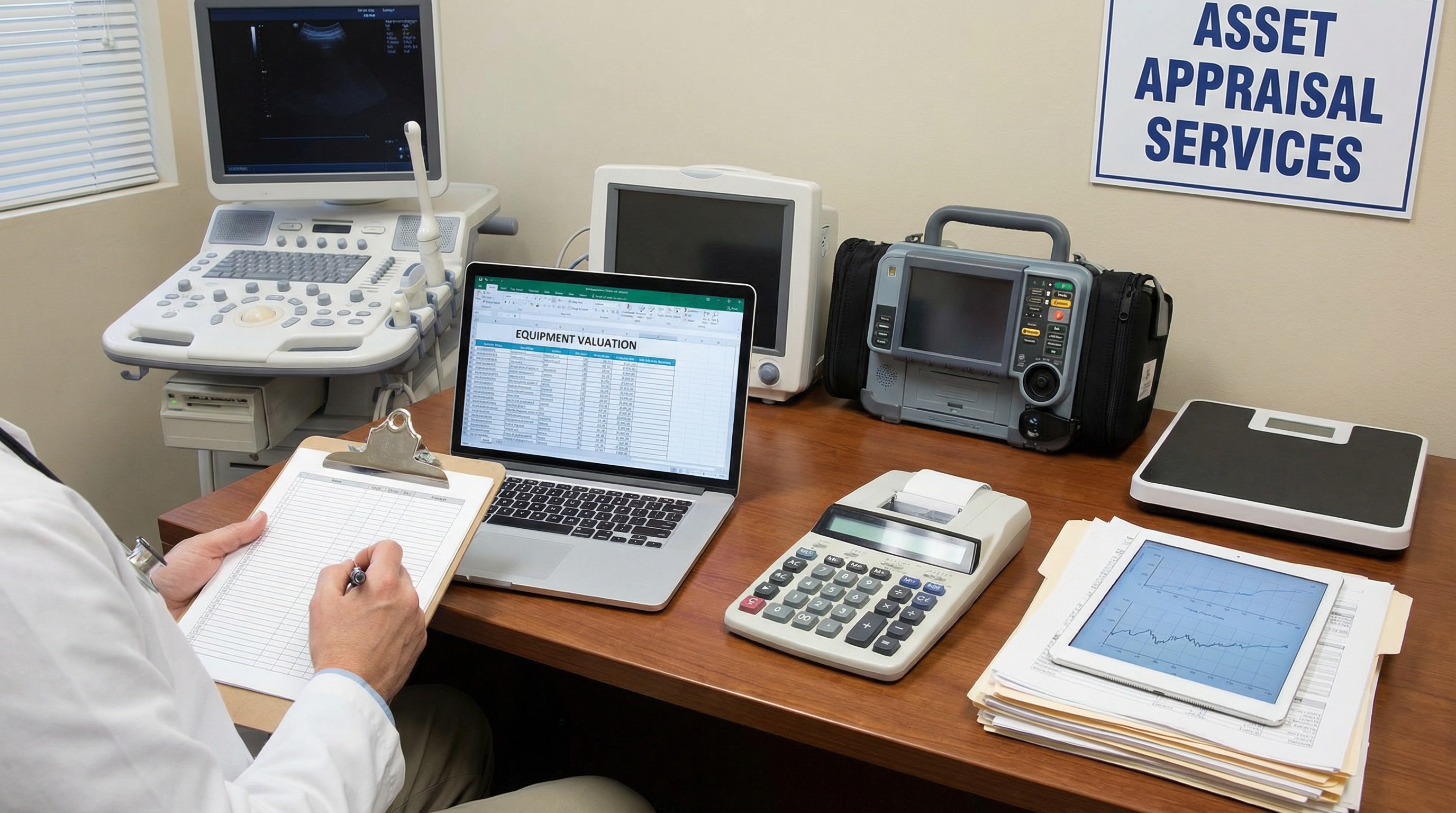
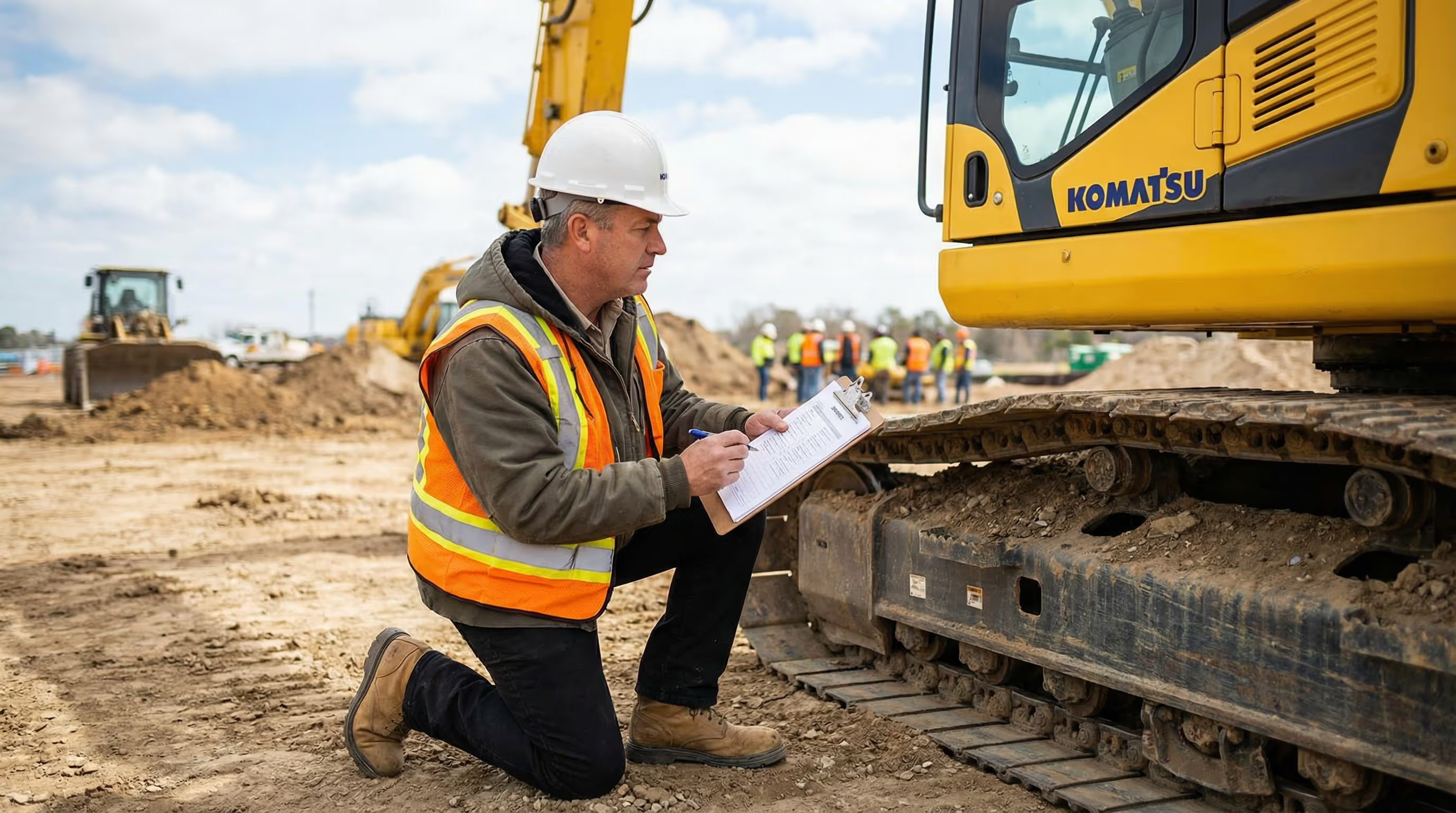
A heavy equipment appraisal is a professional evaluation that determines the fair market value of your machinery based on current market conditions, equipment condition, and specific use requirements. Unlike dealer quotes or auction estimates, a certified appraisal provides defensible documentation accepted by lenders, insurers, and courts.
Quick Answer: Heavy equipment appraisals typically cost between $500-$2,500 per machine and take 3-7 business days to complete, but they can save you thousands by ensuring accurate insurance coverage, proper loan collateral values, and tax compliance.
Whether you're securing financing, filing insurance claims, or planning equipment sales, understanding how professional appraisers determine value helps you make informed decisions and avoid costly mistakes. This guide covers everything from valuation methods to preparation tips that maximize your equipment's appraised value.
Understanding heavy equipment valuation methods
Professional appraisers use three primary approaches to determine your equipment's value, each suited for different situations and purposes. Understanding the basics of heavy machinery appraisals helps you know what to expect during the evaluation process.
Sales Comparison Approach analyzes recent sales of similar equipment in your market area. Appraisers research auction results, dealer sales, and private transactions to establish current market pricing. This method works best when comparable sales data exists for your specific make, model, and year.
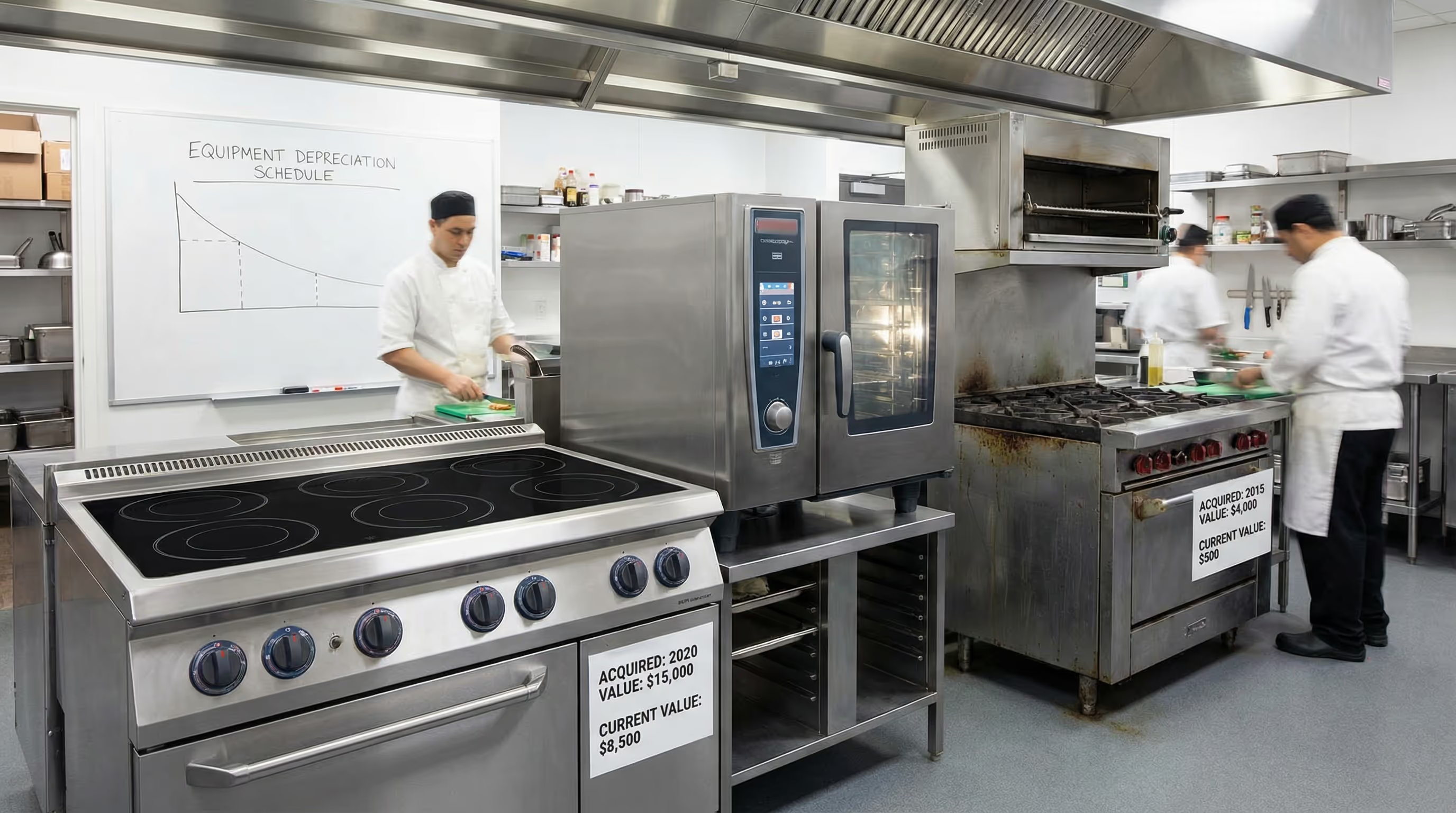
Cost Approach calculates what it would cost to replace your equipment today, then subtracts depreciation based on age, hours, and condition. This approach proves valuable for newer equipment or specialized machinery where sales data is limited.
Income Approach determines value based on the revenue your equipment generates over its remaining useful life. Construction companies often use this method for revenue-producing equipment like cranes or specialized attachments.
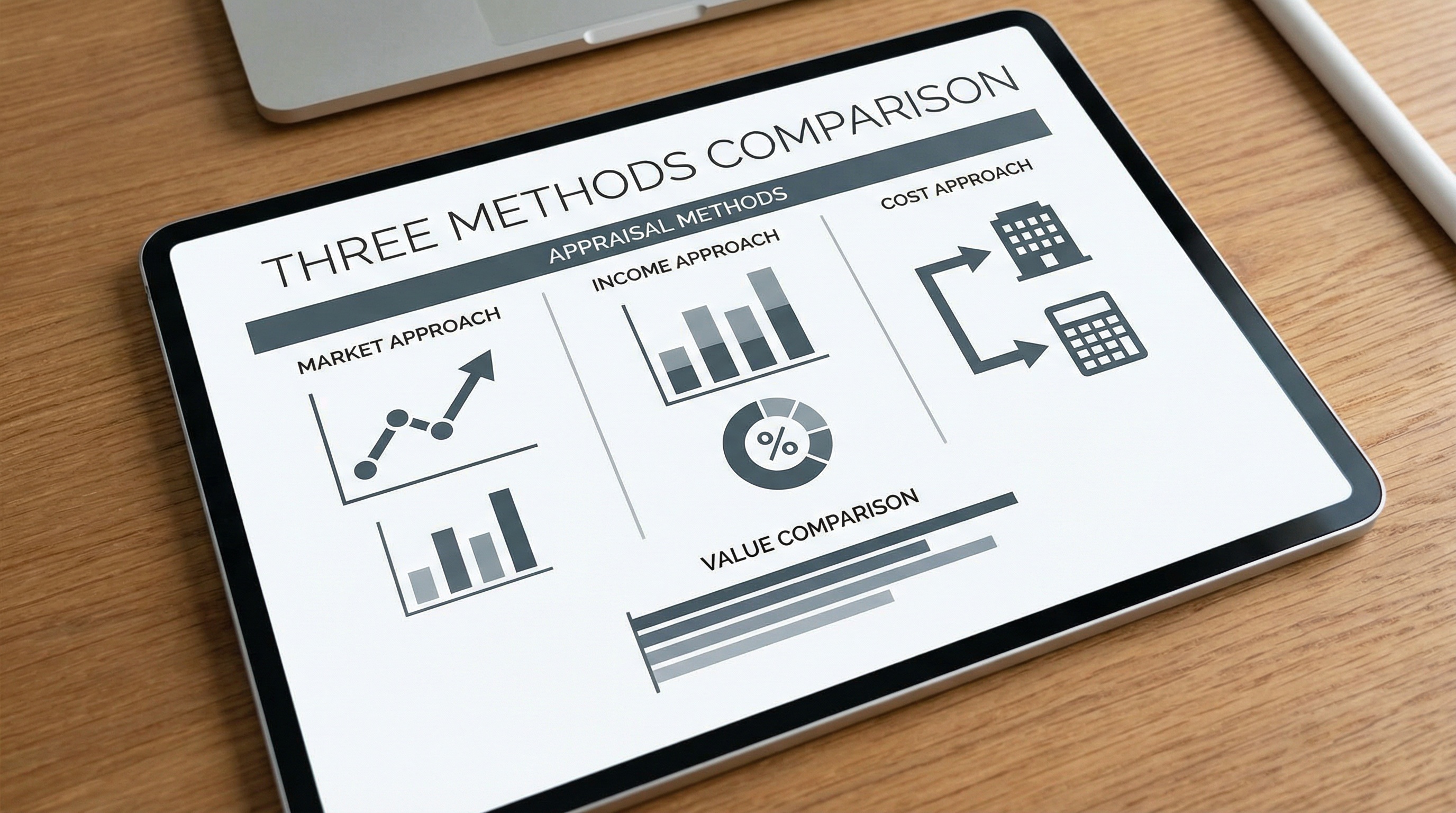
Most appraisers combine multiple approaches to reach a final value, ensuring accuracy across different market conditions. Your appraiser will explain which methods apply best to your specific equipment and situation.
| Valuation Method | Best Used For | Data Required | Timeline |
|---|---|---|---|
| Sales Comparison | Common equipment types | Market sales data | 2-3 days |
| Cost Approach | Newer/specialized equipment | Replacement costs | 1-2 days |
| Income Approach | Revenue-generating equipment | Financial records | 3-5 days |
Key factors that determine your equipment's value
Several critical factors influence how appraisers assess your heavy equipment, and understanding these helps you present your machinery in the best possible light. Learning what factors impact equipment appraisal value can help you better prepare for the evaluation.
Age and operating hours represent the most obvious value drivers. A five-year-old bulldozer with 3,000 hours typically holds significantly more value than the same model with 8,000 hours. However, well-maintained high-hour equipment can still command strong values with proper documentation.
Physical condition and maintenance history often matter more than age alone. Equipment with complete service records, recent major repairs, and visible care commands premium pricing. Appraisers look for signs of proper maintenance like clean hydraulic fluid, tight joints, and updated safety features.
Pro Tip: Gathering maintenance records, original purchase invoices, and recent repair documentation before your appraisal can increase your equipment's value by 10-15% compared to undocumented machinery.
Market demand and location significantly impact values. Construction equipment in booming markets like Texas or Florida often appraises higher than identical machines in slower economic regions. Seasonal factors also play a role, with agricultural equipment typically valued higher during planting or harvest seasons.
Modifications and attachments can either increase or decrease value depending on quality and market demand. Professional installations of GPS systems, backup cameras, or specialized attachments typically add value, while amateur modifications may reduce it.
Preparing for your heavy equipment appraisal
Proper preparation can significantly impact your equipment's final appraised value and streamline the entire process for faster completion. Following tips for getting the most accurate construction equipment appraisal ensures you maximize your machinery's value.
Equipment presentation matters more than many owners realize. Clean equipment photographs better and allows appraisers to properly assess condition. Remove excess dirt, grease, and debris, but avoid major cosmetic work that might appear to hide underlying issues.
Document organization proves crucial for maximum valuations. Gather original purchase agreements, maintenance logs, recent inspection reports, and any warranty information. If you've made significant repairs or upgrades, include those invoices and documentation.
Access preparation ensures your appraisal stays on schedule. Arrange for equipment to be accessible and operational during the inspection. If machinery is stored in multiple locations, coordinate timing to minimize appraiser travel and reduce costs.

Operational demonstration allows appraisers to verify full functionality. Ensure equipment starts, operates smoothly, and demonstrates all key functions. Non-operational equipment receives significantly lower valuations, so address minor issues before the appraisal when possible.
Most appraisals take 2-4 hours per machine, depending on complexity and documentation quality. Well-prepared equipment often receives higher values and faster report turnaround times. For more detailed guidance, review how to prepare for a heavy machinery appraisal.
Choosing the right appraiser and timing your appraisal
Selecting a qualified appraiser and timing your appraisal correctly can mean the difference between accurate valuations and costly mistakes. Understanding how to find a qualified heavy machinery appraiser helps ensure you work with experienced professionals.
Professional credentials ensure your appraisal meets legal and financial requirements. Look for appraisers with USPAP compliance, IRS qualification, and specific heavy equipment experience. Many lenders and insurers require these credentials for report acceptance.
Industry specialization matters significantly for accurate valuations. An appraiser experienced with construction equipment may not properly value agricultural machinery or manufacturing equipment. Choose professionals with demonstrated expertise in your specific equipment types.
Important: USPAP-compliant appraisals are required for most legal, tax, and financial purposes. Non-compliant evaluations may be rejected by courts, lenders, or the IRS, requiring costly re-appraisals.
Timing considerations can impact your equipment's value by thousands of dollars. Construction equipment typically appraises higher during busy building seasons, while agricultural machinery peaks during planting and harvest periods. Economic conditions, fuel prices, and industry trends also influence timing decisions.
Reappraisal frequency depends on your equipment's use and purpose. Insurance companies typically require updates every 3-5 years, while rapidly depreciating equipment may need annual appraisals for accurate financial reporting. Major repairs, modifications, or market changes may trigger earlier reappraisals.
Getting accurate heavy equipment appraisals protects your business from financial risks while ensuring you receive fair value for your machinery investments. Professional appraisers provide the documentation and expertise needed for confident decision-making in financing, insurance, and equipment transactions. For those in specialized industries, exploring appraising industrial equipment can provide additional insights into machinery valuation.
AppraiseItNow's certified appraisers specialize in heavy equipment valuations with USPAP compliance and IRS qualification accepted by major lenders and insurers nationwide. Our experienced team understands the factors that maximize your equipment's value while providing defensible reports for any business purpose.