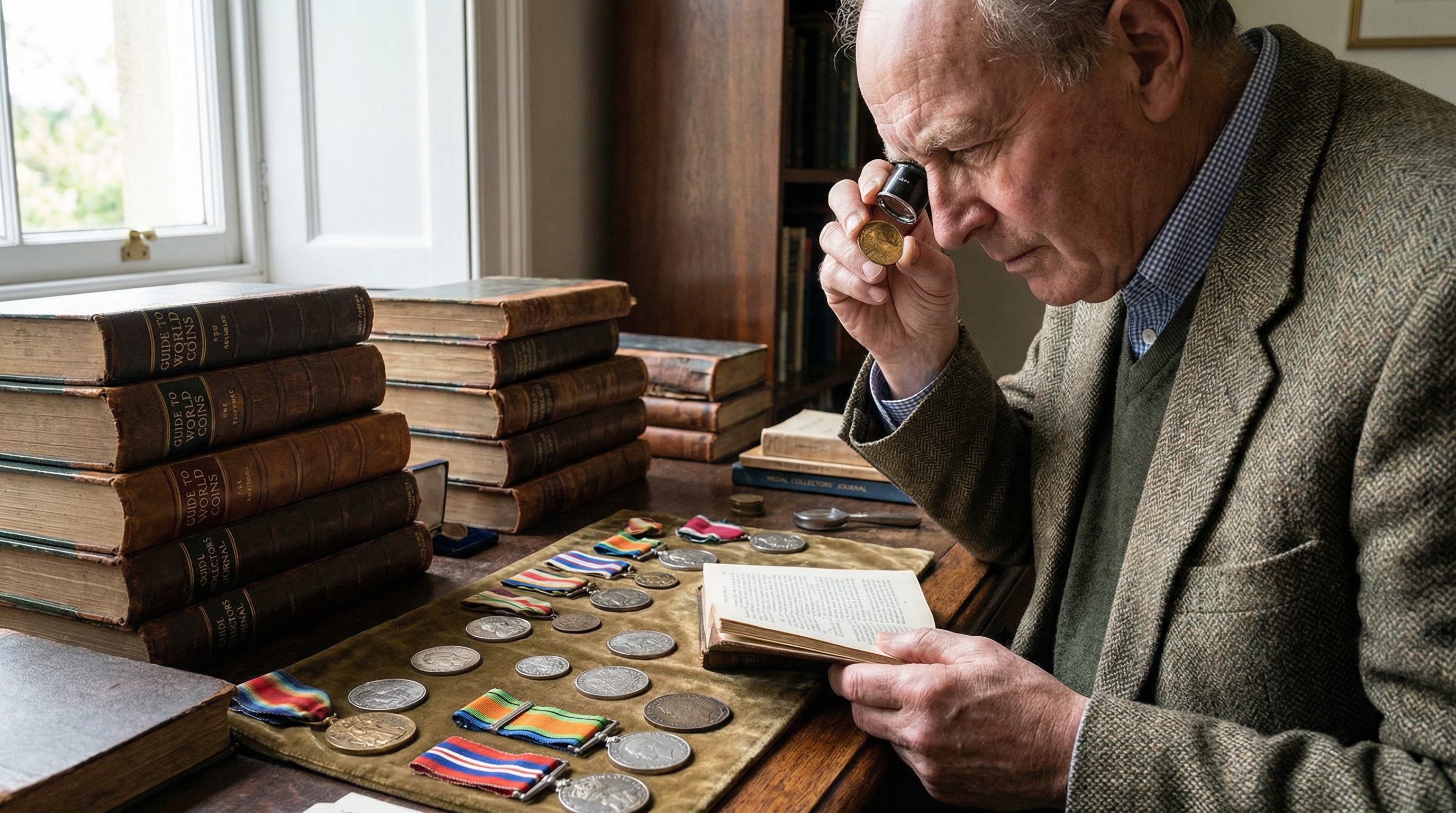
If you've inherited a collection of old coins or discovered military medals in an attic, you might be wondering whether you're holding pocket change or valuable treasures. The truth is, determining the worth of historic coins and medals requires understanding several key factors that professional appraisers consider during evaluation.
Historic coins and medals can range from common pieces worth their metal content to rare specimens valued at thousands of dollars. The difference often comes down to rarity, condition, historical significance, and current market demand. Whether you're preparing for estate planning, insurance coverage, or considering a sale, knowing what drives value helps you make informed decisions about professional appraisal services.
Quick Answer: Historic coin and medal values depend primarily on rarity (how many exist), condition (wear and preservation), historical significance (events or people associated), metal content, and current collector demand. Professional appraisals consider all these factors to establish fair market value.
Key factors that determine coin and medal value
Understanding what makes historic coins and medals valuable starts with recognizing the main factors appraisers evaluate. These elements work together to establish fair market value, and each plays a crucial role in the final assessment.
Rarity and mintage numbers form the foundation of value. Coins or medals produced in small quantities or those with few surviving examples typically command higher prices. However, rarity alone doesn't guarantee high value—there must also be collector interest and demand.
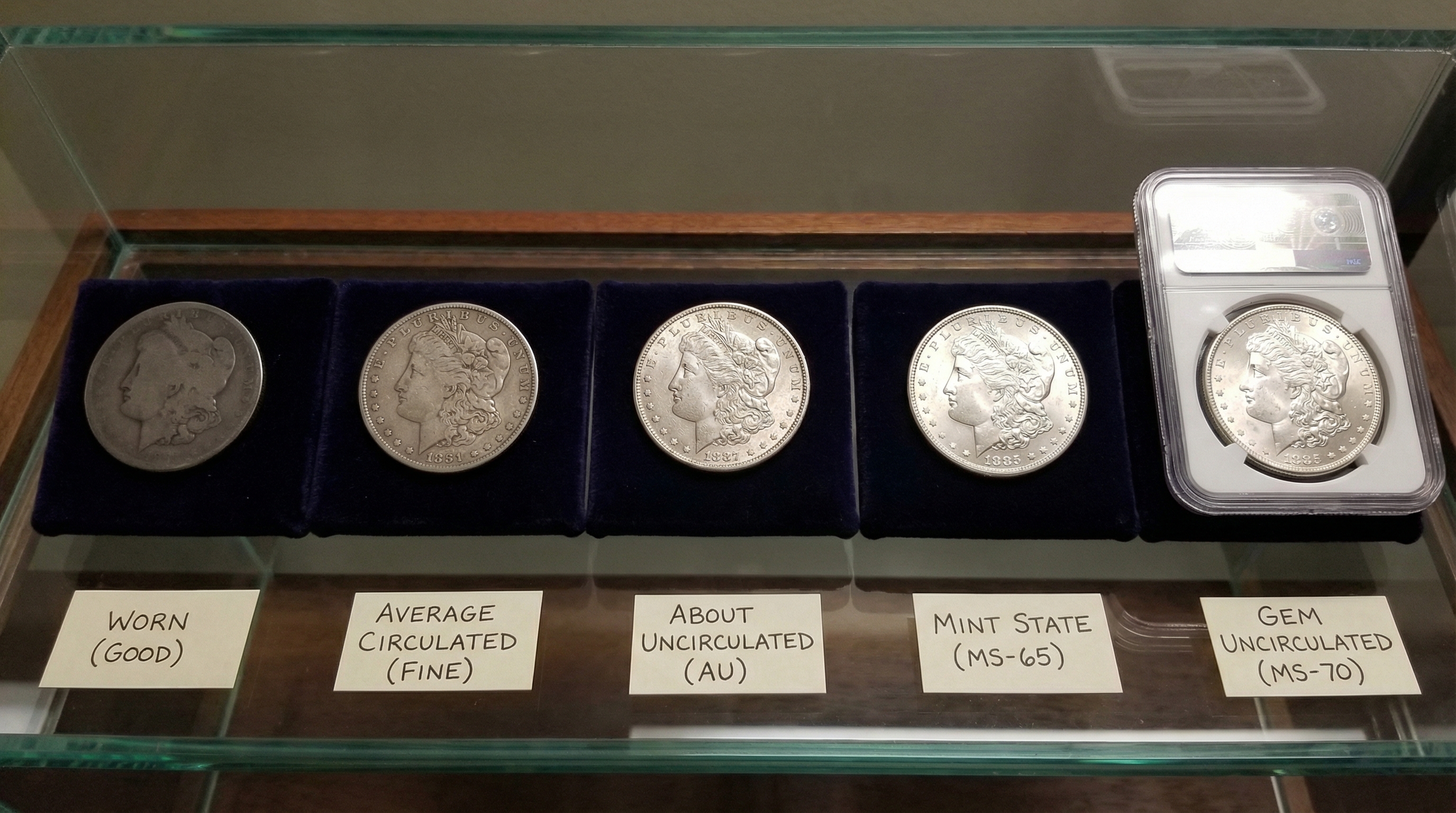
Condition and preservation significantly impact worth. A coin in mint condition can be worth many times more than the same coin showing heavy wear. Professional grading services use standardized scales to evaluate condition, with grades ranging from Poor to Mint State affecting value dramatically.
Historical significance and provenance add another layer of value. Pieces associated with important events, famous people, or documented collections often carry premiums beyond their basic numismatic worth. Documentation proving ownership history or connection to historical events strengthens these claims.
| Factor | Impact on Value | What to Look For |
|---|---|---|
| Rarity | High | Low mintage, few survivors |
| Condition | Very High | Minimal wear, original surfaces |
| Significance | Moderate to High | Historical connections, provenance |
| Metal Content | Baseline | Gold, silver, platinum content |
| Market Demand | Variable | Current collector interest |
Understanding rarity in numismatic valuations
Rarity in coin and medal collecting goes beyond simple age. Many people assume older automatically means rarer, but this isn't always true. Some ancient coins exist in greater numbers than certain 20th-century pieces due to survival rates and original production quantities.
Mintage figures tell part of the story. These numbers indicate how many pieces were originally produced, but survival rates matter more for determining current rarity. Wars, melting campaigns, and natural disasters have reduced populations of many historically significant pieces.
Limited issues and special varieties create instant rarity. Commemorative medals produced for specific events, error coins with minting mistakes, or pieces with unique design variations often become highly sought after by collectors. These factors can make relatively recent items more valuable than much older common pieces.
The relationship between age and rarity requires careful analysis. While a 2,000-year-old Roman coin might seem incredibly rare, some were produced in massive quantities and many survive today. Conversely, a 1970s medal produced in limited quantities for a specific military unit might be far rarer in today's market.
Expert Tip: Don't assume age equals value. A well-preserved 1950s commemorative medal with low production numbers can be worth more than a worn ancient coin that was mass-produced.
How condition and grading affect market value
The condition of historic coins and medals dramatically influences their market value, often making the difference between a modest collectible and a significant treasure. Professional grading provides standardized assessment methods that collectors and investors rely on worldwide.
Grading scales help establish consistent condition standards. For coins, the Sheldon Scale runs from 1 (Poor) to 70 (Perfect Mint State), with key breakpoints at Good (4), Fine (12), Very Fine (20), Extremely Fine (40), and Mint State (60-70). Medals often use similar descriptive grades focusing on wear patterns and surface preservation.
Common condition issues that affect value include cleaning, scratches, corrosion, and environmental damage. Cleaning, even when well-intentioned, typically reduces value because it removes original surfaces that collectors prize. Professional appraisers can identify these alterations and adjust valuations accordingly.
The premium for exceptional condition can be substantial. A coin grading Mint State 65 might be worth ten times more than the same coin in Very Fine condition. This dramatic difference explains why proper storage and handling of historic pieces is crucial for maintaining value.
Professional appraisal processes and methodologies
Professional appraisers follow systematic approaches when evaluating historic coins and medals, combining technical knowledge with market research to establish defensible valuations. Understanding this process helps you prepare for appraisals and appreciate the expertise involved.
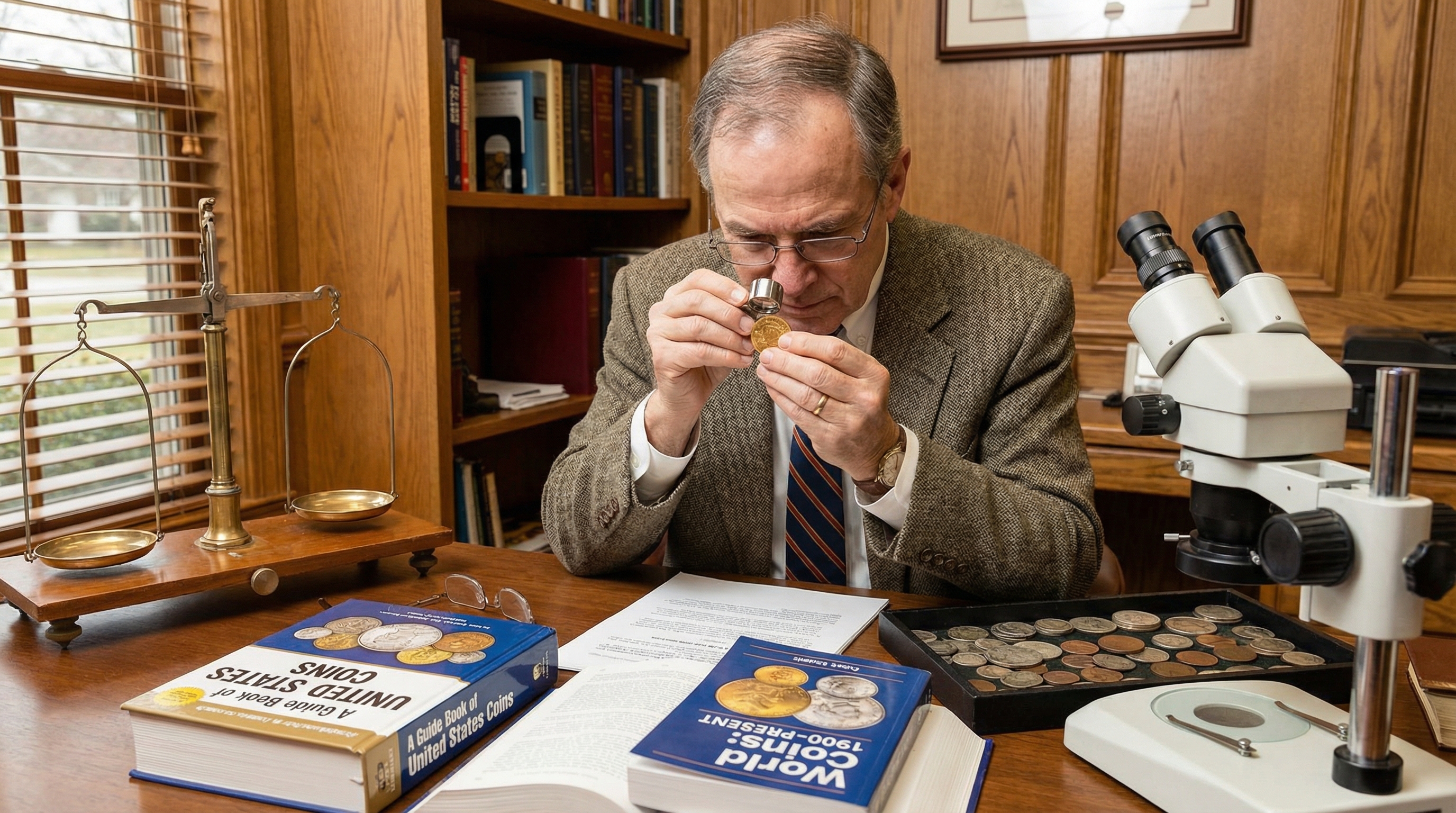
Initial examination begins with visual inspection using magnification to assess condition, identify mint marks, and check for alterations or repairs. Appraisers measure dimensions, weigh pieces, and photograph key features for documentation. This physical examination reveals details that photographs alone cannot capture.
Research and comparison form the analytical foundation. Appraisers consult specialized references, auction records, and price guides to identify comparable sales. They adjust these comparisons based on condition differences, market timing, and specific characteristics of the piece being evaluated.
The final valuation considers all gathered information to establish fair market value. This process requires balancing rarity, condition, significance, and current market conditions. Professional appraisers document their methodology and provide written reports that meet legal and insurance requirements.
Important Note: USPAP-compliant appraisals provide legally defensible valuations accepted by courts, insurance companies, and the IRS for estate, donation, and insurance purposes.
When you need professional coin and medal valuations
Knowing when to seek professional appraisal services helps you make cost-effective decisions about your historic coins and medals. Several situations require formal documentation that only certified appraisers can provide.
Estate planning and inheritance often trigger appraisal needs. Accurate valuations help with fair distribution among heirs and provide necessary documentation for tax purposes. Estate attorneys frequently require professional appraisals for probate proceedings and settlement negotiations.
Insurance coverage for valuable collections requires current market valuations. Standard homeowners policies typically provide limited coverage for coins and medals, making scheduled personal property coverage essential for significant collections. Insurance companies require professional appraisals to establish coverage amounts and process claims.
Charitable donations of coins and medals worth more than $5,000 require qualified appraisals for IRS deduction purposes. The appraiser must meet specific IRS qualifications, and the appraisal must be completed within 60 days of the donation date.
Before selling valuable pieces, professional appraisals help establish realistic expectations and prevent undervaluing your collection. Whether selling privately, through dealers, or at auction, knowing current market value protects your financial interests.
Professional coin and medal appraisals provide the documentation and expertise needed for important financial decisions. Whether you're dealing with inheritance, insurance, donations, or sales, certified appraisers offer the knowledge and credentials necessary to protect your interests and ensure accurate valuations.
AppraiseItNow provides USPAP-compliant coin and medal appraisals nationwide, with both online and onsite options available. Our IRS-qualified appraisers deliver defensible reports accepted by courts, insurance companies, and financial institutions for all your valuation needs.