Which definition of value governs a donated business interest?
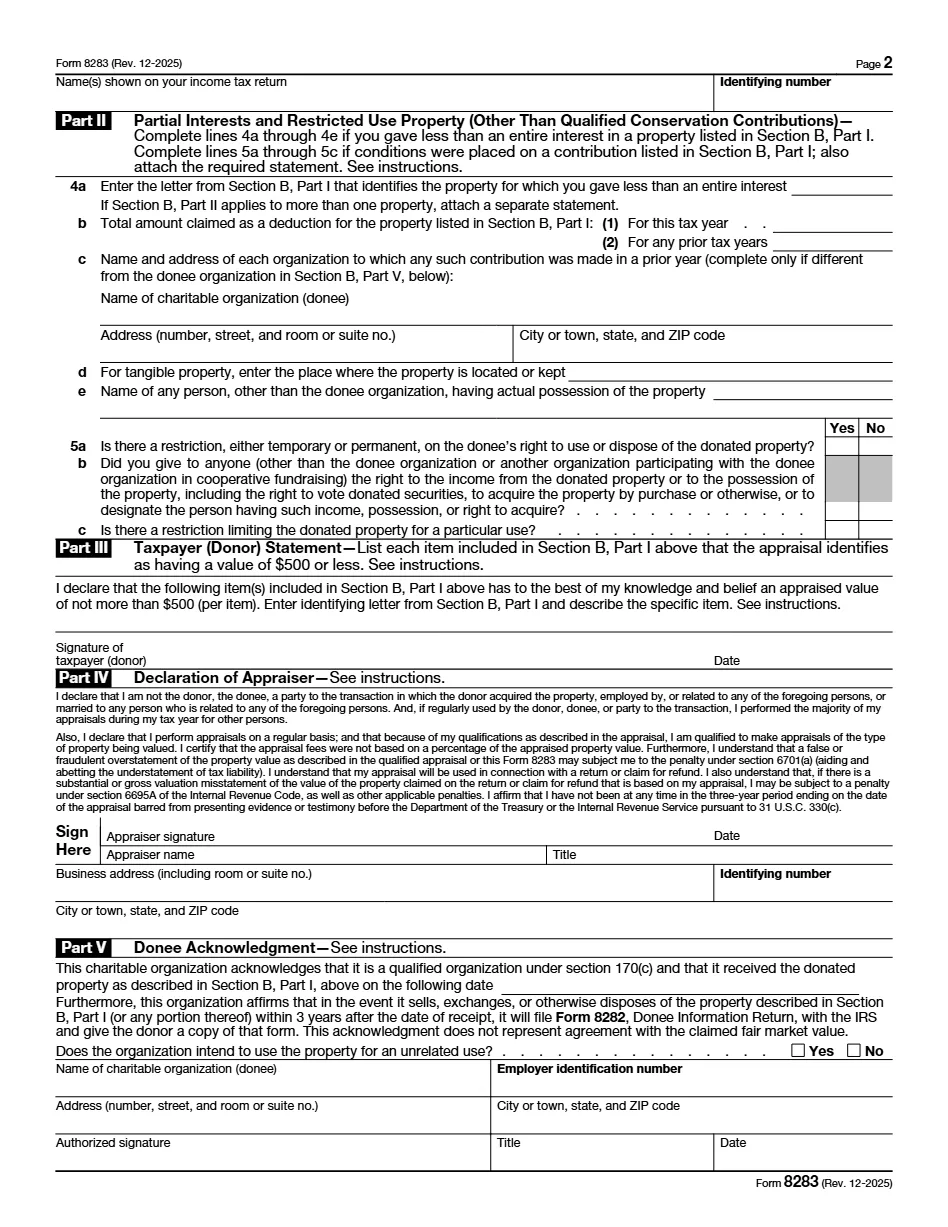
Fair market value under Treasury Regulation 1.170A-1(c)(2), applied to closely held stock through the Revenue Ruling 59-60 factors. Once the claimed value of the interest exceeds $5,000, the deduction must be supported by a qualified appraisal, and IRS Publication 561 expects the report to document valuation methods, financial data, discounts, and any agreements or restrictions affecting value.
Do valuation discounts apply when a minority business interest is donated?
Yes. The IRS asserts that the same discounts for lack of control and marketability that apply to noncharitable gifts also apply to charitable gifts of partnership, LLC, and closely held corporate interests, often reducing appraised value by 10 to 50 percent. Discount magnitude is the most commonly disputed element, so the appraisal needs empirical support for every percentage applied.
How does built-in ordinary income affect the deduction?
The deductible amount must be reduced by any ordinary income element embedded in the donated interest, such as inventory or unrealized receivables, rather than claiming full fair market value. A donor who ignores this reduction claims a larger deduction than IRC Section 170 allows, which is a frequent audit adjustment for gifts of operating business interests.
Is book value acceptable support for donated private stock?
No. IRS guidance warns that book value alone is not sufficient; the appraisal must weigh earning capacity, dividend-paying capacity, goodwill, and comparable sales under Revenue Ruling 59-60, using cost, market, or income approaches. We ground each donated-interest valuation in company financials and market evidence so the claimed deduction can withstand review.







.jpeg)