
Designer Furniture Collection Charitable Donation Appraisal
Designer furniture appraisal for charitable donation substantiation, covering modular outdoor seating, sculptural dining chairs, vintage accent pieces, and specialty appliances from recognized design houses. AppraiseItNow appraised a Florida donation including Paola Lenti, B&B Italia, Bonacina, Baleri Italia and Flexform pieces, identifying each item by brand and model before researching its own resale market.
Project Overview
Assignment Summary
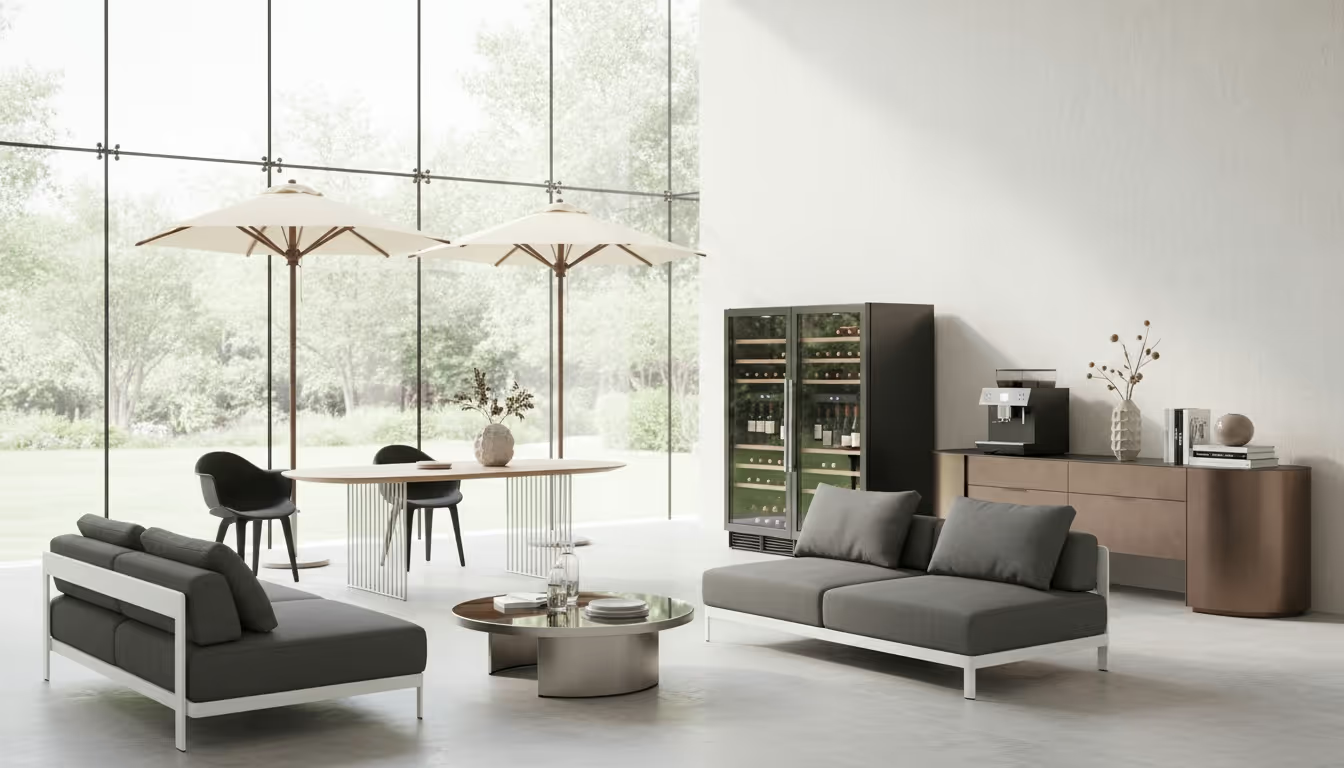
The scope encompassed identifying and describing each furniture piece and accessory item, documenting representative images, and researching comparable market transactions to support fair market value opinions. Subject assets included modular outdoor seating, sculptural dining chairs, parasols, tables, vintage accent pieces, and a dual-zone wine refrigerator from brands such as Paola Lenti, B&B Italia, Bonacina, Baleri Italia, and Flexform. The intended use was to substantiate a non-cash charitable donation to a regional nonprofit organization and provide the signed appraiser section required for the charitable contribution tax form. Valuation followed recognized professional standards and employed the sales comparison method, with careful adjustments applied for condition, configuration, and market demand. All analyses and conclusions were documented in a formal appraisal report conforming to both professional standards and IRS reporting requirements.
Challenges
Our Approach
Project Outcome
Ready to start your appraisal?
Tell us the asset and what the value is for, and we will confirm scope, timing, and a fixed fee before any work begins.
Request an AppraisalFrequently Asked Questions
Why does identifying the exact designer model matter before valuing it?
Because the resale market prices the model, not the category. Two visually similar chairs from the same house can differ several-fold in value depending on line, designer, production year and finish, and a generic description forfeits that difference. Identification from brand marks, labels and construction detail is the first half of the work; researching comparables is the second, and it cannot be done well without the first.
Do European design house pieces hold value in the secondary market?
Certain lines do, particularly those with continuous production, recognized designer attribution and strong dealer demand. Many do not, and high original retail is a weak predictor. We check completed sales for the specific model, because assuming a premium brand implies a premium resale price is exactly the assumption that fails on review.
How are mixed collections of furniture and appliances organized for a donation appraisal?
Item by item, grouped by the market each one sells in. A wine refrigerator, a set of dining chairs and a parasol trade to different buyers through different channels, and the report reflects that rather than presenting a single blended figure. Grouping by market also makes the appraisal auditable: a reviewer can test one category without needing to unpick the rest.
What is the effect of missing model information on a designer piece?
It widens the range and lowers the supportable conclusion. Where a piece can be attributed to a house but not to a specific line, we value against the range of plausible models and conclude toward the lower end under a stated assumption. Photographs of labels, undersides and any serial plates before the goods transfer usually eliminate the problem entirely.