Which data sources feed a Colorado machinery appraisal?
Auction and listing platforms such as BidSpotter, MachineryTrader, and IronPlanet supply market comparables, while manufacturer quotes and cost guides like Marshall Valuation Service support the cost approach. Our appraisers select sources based on the asset, then reconcile the indications into one supportable conclusion.
What kinds of depreciation does an equipment appraisal account for?
Three distinct kinds: physical wear, functional obsolescence from technology or capacity mismatches, and economic obsolescence from outside market forces. A simple age-based schedule captures none of that nuance, which is why appraised values often differ sharply from formula-driven estimates.
Do I have to declare business equipment to my Colorado county assessor?
Yes, if the total actual value of your taxable personal property in that county is above the exemption in C.R.S. section 39-3-119.5. That figure is not static: since the 2023 property tax year the statute has required it to be adjusted every two years for inflation and the current amount published by the state, so check the figure for the filing year rather than carrying last year's forward. The Personal Property Declaration Schedule, typically form DS 056, is due by April 15 and requires each asset's original installed cost and acquisition year, with property valued in use as of January 1.
How is machinery that moves between Colorado counties taxed?
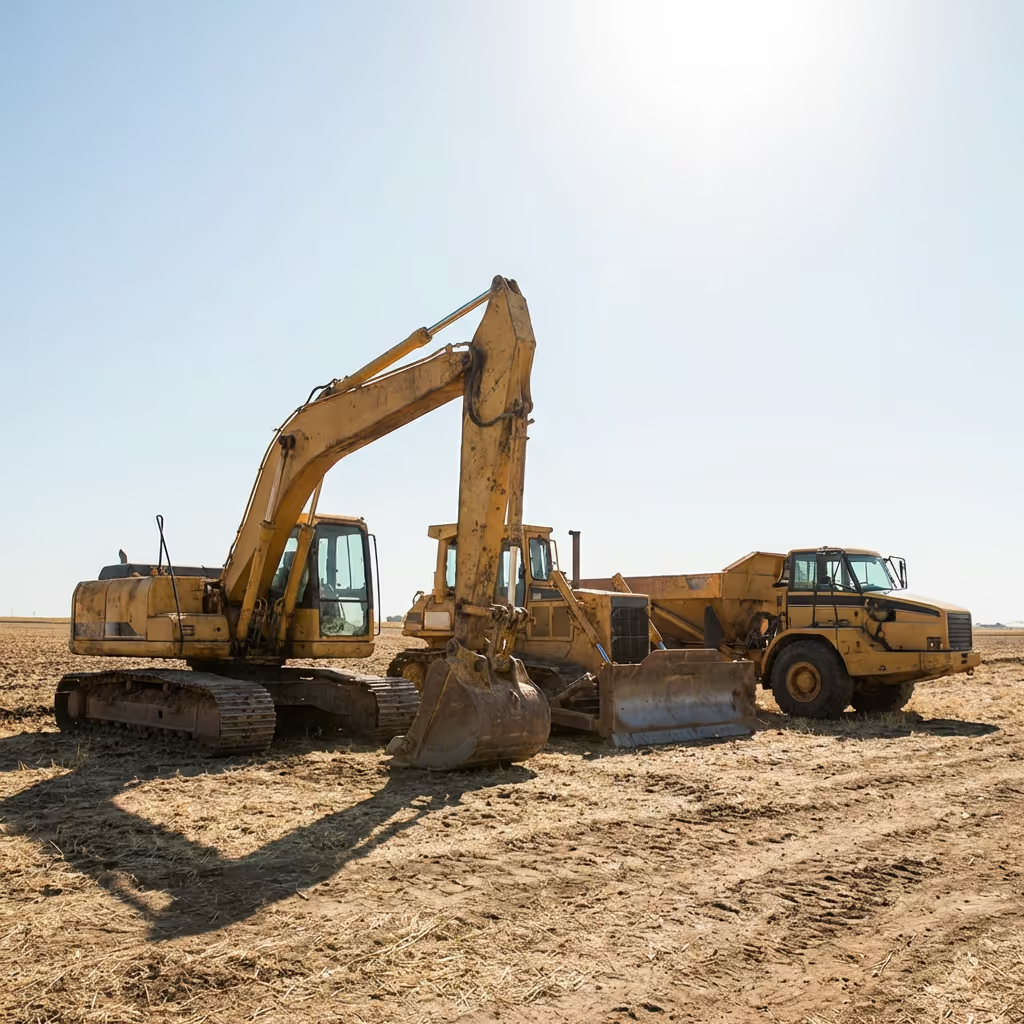
Movable or portable equipment used in more than one county during the year is apportioned among those counties under C.R.S. section 39-5-113 rather than taxed fully in a single jurisdiction. Self-propelled construction equipment is different again: as Class F Special Mobile Machinery it pays specific ownership tax through registration instead of ordinary ad valorem tax.
Is farm equipment exempt from Colorado property tax?
Yes. Agricultural machinery and equipment used in production on a Colorado farm or ranch is exempt from property tax, and since January 1, 2023 the exemption extends to equipment used in controlled environment agriculture facilities and greenhouses. Equipment used outside qualifying agricultural production remains taxable and must still be declared.