Does my Idaho business need to declare equipment for property tax?
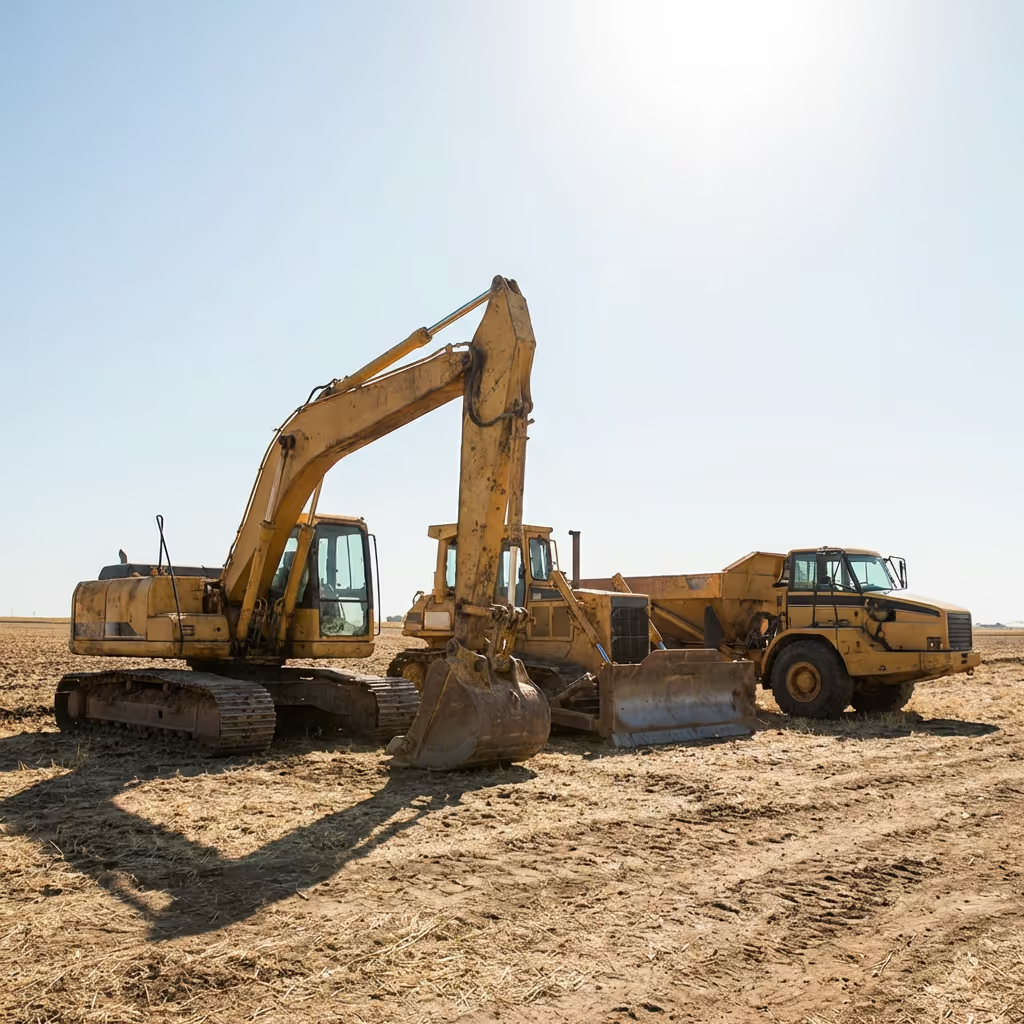
Only above the exemption threshold. Idaho exempts business personal property valued at $250,000 or less, and businesses above that level must file a personal property declaration with the county assessor by March 15 each year. An accurate equipment listing keeps the declaration and any later appeal on solid footing.
How do Idaho assessors arrive at equipment values?
They value personal property at market (retail) level as of January 1 using the sales comparison, cost, and income approaches and nationally recognized appraisal guidelines, with at least a five-year physical reappraisal cycle. An independent appraisal built on the same three approaches speaks the assessor's language when values are disputed.
Where does replacement cost data for machinery come from?
From manufacturer and vendor quotes and published cost guides such as Marshall Valuation Service, from which appraisers deduct physical wear, functional obsolescence, and economic obsolescence separately. This cost approach carries the most weight for specialized Idaho equipment that rarely trades on open markets.
Which office values my machinery in Idaho, the county or the state?
The county assessor where the equipment is situated. Idaho Code 63-207 assigns assessment of real and personal property to the assessor of the county of situs, except operating property, which the State Tax Commission assesses centrally. Items with situs in another Idaho county have to be split out on the owner’s list so each county assesses only what sits within it.
How long do I have to dispute an Idaho equipment assessment?
Not long after notices go out. The assessor must complete assessment of property by the fourth Monday of June, and Idaho county appeal instructions commonly set the board of equalization filing cutoff at the fourth Monday of June at 5:00 p.m., citing Idaho Code 63-502 for the taxpayer’s burden of proof. Market evidence has to be assembled before that date, not after the bill arrives.