What documentation should accompany antique artwork before an Iowa appraisal?
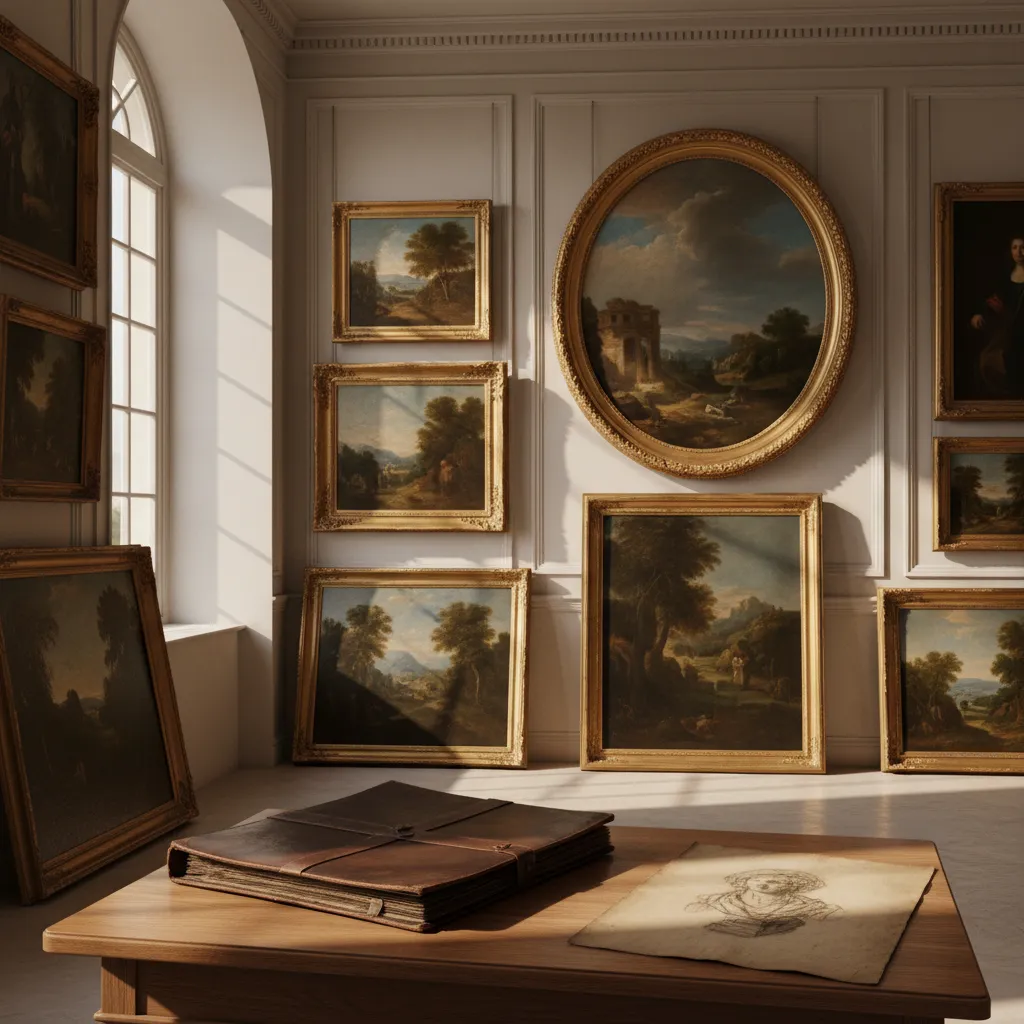
Artist attribution, title, date, medium, dimensions, signatures or inscriptions, marks and labels, plus condition evidence including damage, restoration, and framing. High-resolution front and back photos, with raking light or UV images where appropriate, let the report describe the object thoroughly enough for another appraiser to follow the reasoning.
What valuation date applies to artwork in an Iowa estate?
Property in the gross estate is valued as of the decedent's date of death, and post-death appreciation or depreciation is generally ignored unless an alternate valuation date is properly elected. Retrospective art appraisals reconstruct the market as of that date rather than using today's prices.
Can I use my insurance schedule as the estate value for art?
No. Insurance schedules carry retail replacement value, which is intentionally higher than fair market value, and using the wrong market level for the assignment is a classic and costly error. Estate work requires fair market value support from realized sales in the appropriate market.
Can a beneficiary challenge the artwork value reported on an Iowa estate?
Yes. Iowa Admin. Code r. 701-900.9 lets the estate or any person beneficially receiving personal property appeal a disputed value to the director of the Department of Revenue under Iowa Code section 450.94(3), with judicial review available under chapter 17A. Because that record can be reopened, we document attribution, condition, and the specific comparable sales behind each work rather than stating a bare number.







.jpeg)