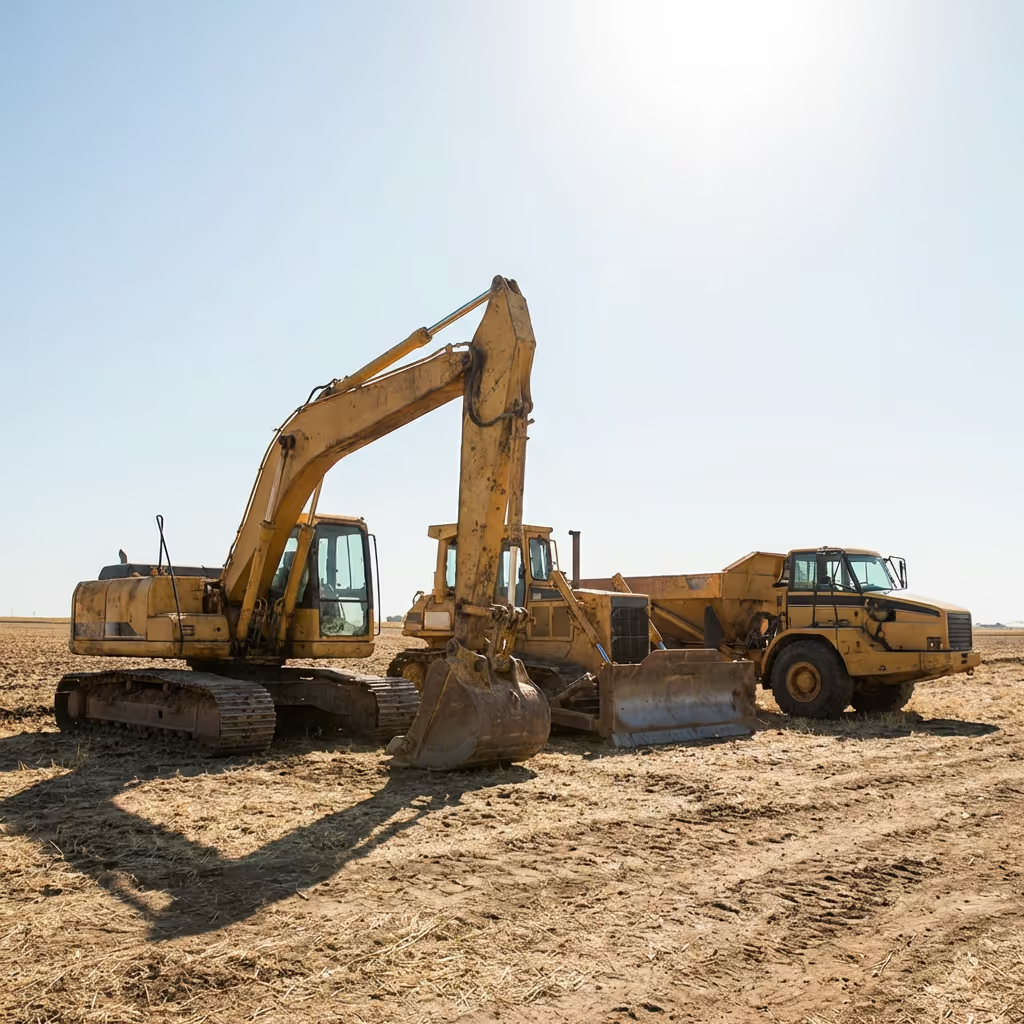
How is machinery actually valued in a Montana equipment appraisal?
We rely primarily on the market and cost approaches. The market approach compares your machinery to documented sales from auction databases such as MachineryTrader, IronPlanet, and BidSpotter, plus dealer listings, adjusted for age, hours, and condition. The cost approach starts from current replacement cost, using manufacturer quotes and cost guides, then deducts physical wear, functional obsolescence, and economic obsolescence.
Why does one machine carry several different appraised values?
Because fair market value, orderly liquidation value, and forced liquidation value answer different questions. Each premise assumes a different marketing period and sale condition, so the same Montana equipment can carry values that differ dramatically. Lenders often want liquidation premises for collateral, while estate and sale decisions usually rest on fair market value. We state the premise in every report so the number matches its use.
When must Montana businesses report equipment for personal property tax?
Taxable personal property must be reported to the Montana Department of Revenue by February 15 each year. The state values equipment annually at 100% of market value using a cost approach, multiplying a trended depreciation percentage by installed original cost. That statutory formula can drift from what your machinery would actually bring in the market, which is where an independent appraisal earns its keep.
How does Montana's class eight tax structure affect equipment owners?
Montana exempts the first $1 million of market value of a person's or business entity's class eight property. Above that exemption, the first $6 million of taxable market value is taxed at 1.5%, and taxable market value beyond $6 million is taxed at 3%. Because the brackets follow appraised market value, an accurate equipment value decides what a larger Montana operation owes each year, and it is what an owner needs in order to question a figure the department has reached.