Where do Montana firearm values come from?
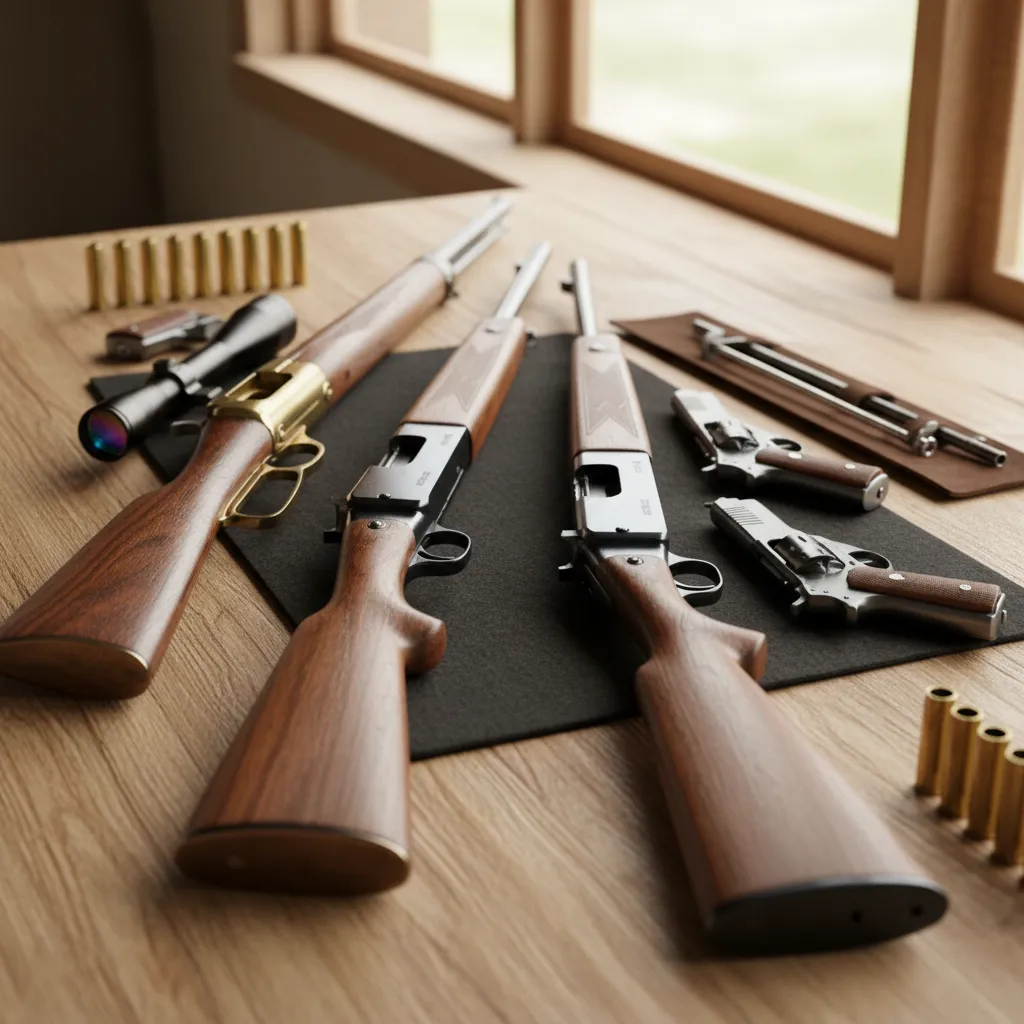
From market evidence layered together: the Blue Book of Gun Values as a condition-based baseline, corroborated against recent completed auction and dealer sales for the same model and grade. Because the Blue Book can lag active market prices, an appraisal that stops at the book figure without checking real transactions is incomplete.
Does refinishing hurt a collectible gun's value?
Almost always. Collectors pay for original finish and factory configuration, so a refinished firearm typically trades at a substantial discount to an original example in the same apparent condition. Appraisers assess finish originality, matching serial numbers, and period-correct markings before placing a gun against its comparables.
Does Montana have an estate tax that reaches gun collections?
No. Montana imposes no state estate or inheritance tax, so inherited firearms are valued under federal fair market value standards as of the date of death, using the willing buyer and willing seller test, and only estates above the federal exclusion face any transfer tax at all.
Can heirs collect Montana firearms without opening probate?
Yes, through a small estate affidavit. Under 72-3-1101 MCA, starting 30 days after death a successor can collect tangible personal property, firearms included, when the entire estate is worth less than $50,000 net of liens and no personal representative has been appointed. Documented values are what establish that the estate actually fits under the cap.
Are business-owned firearms taxable property in Montana?
Yes. Firearms used in a business fall under Class Eight personal property, assessed on statewide aggregate market value, and reportable property must be filed with the Department of Revenue by February 15 each year to avoid a valuation-based penalty. Personally held guns sit outside that reporting system entirely.





.jpeg)