What pushes antique silver above its melt value in a Nebraska appraisal?
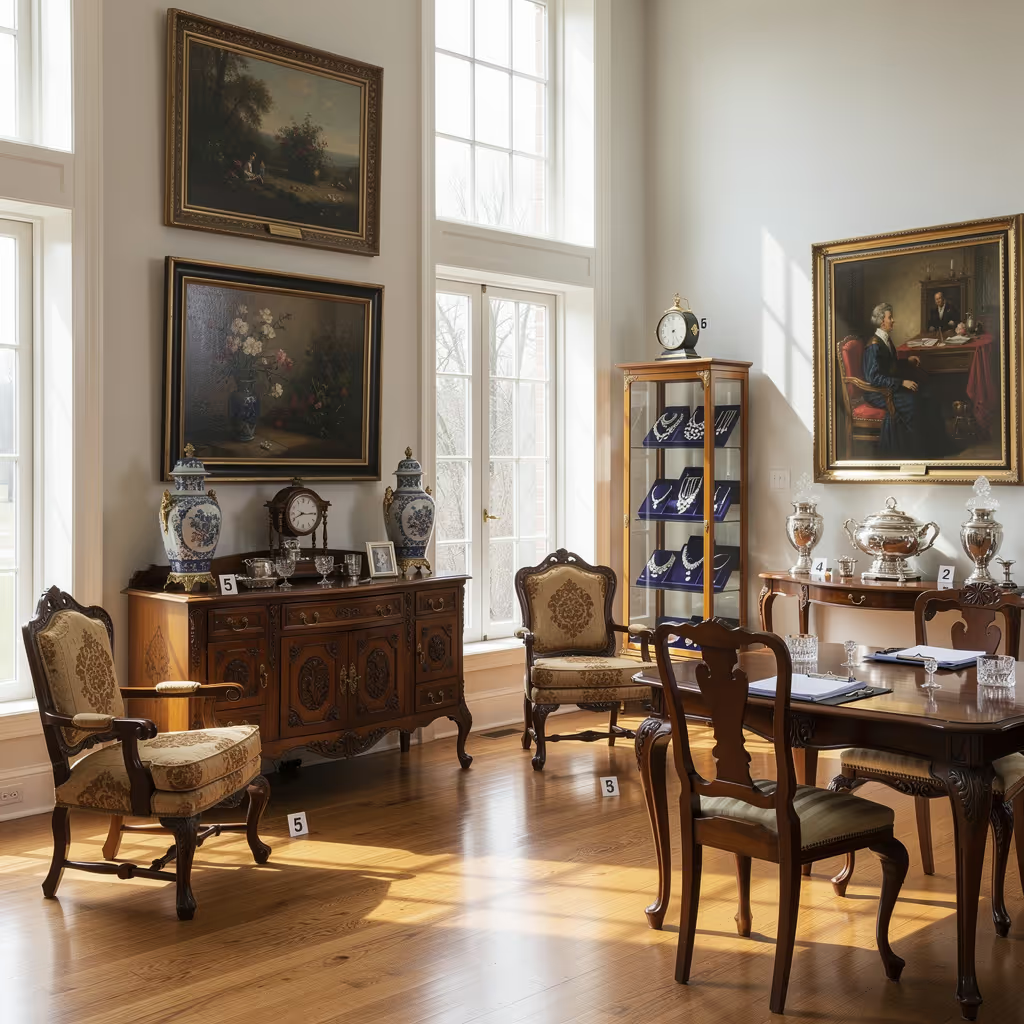
Maker, pattern, rarity, completeness, and condition. Melt value from weight, purity, and spot price sets the floor, but pieces by famous silversmiths, rare or discontinued patterns, and complete matched services command documented premiums supported by realized auction prices. For common or damaged pieces, melt may represent nearly all the worth.
Can silver plate or steel components distort a valuation?
Badly, yes. Plated items marked EPNS, EP, or A1 carry only a thin silver coating and should never be priced by weight at the sterling spot price; contested cases can be resolved with nondestructive XRF testing. Knife blades are typically steel and hollow handles contain filler, so we exclude them from sterling weight before computing metal content.
Does Nebraska license appraisers of silver and other personal property?
No. Nebraska's Real Property Appraiser Act covers real estate appraisers only; there is no parallel licensing scheme for personal property. That means probate and divorce valuations of silver, antiques, and collections are not restricted to state-licensed real estate appraisers, and quality rests on methodology and documentation instead.
Will heirs owe Nebraska inheritance tax on a silver collection?
Often, yes. Nebraska is an inheritance tax state, so the fair market value of silver a beneficiary receives enters the county-administered tax base, with graduated rates that climb for more distant relatives. A supportable appraisal keeps the reported value defensible in the probate filing.




.jpeg)