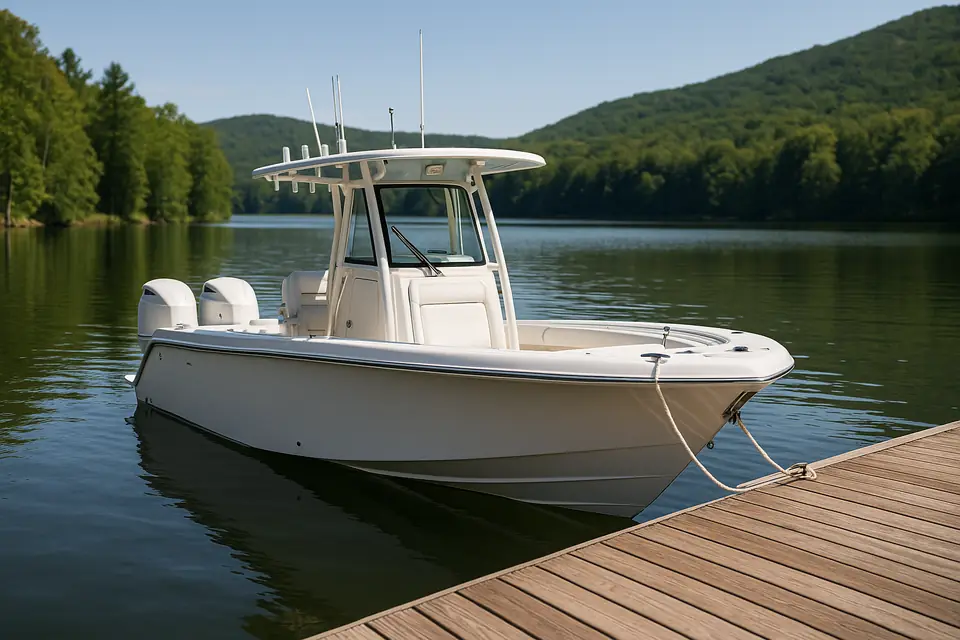
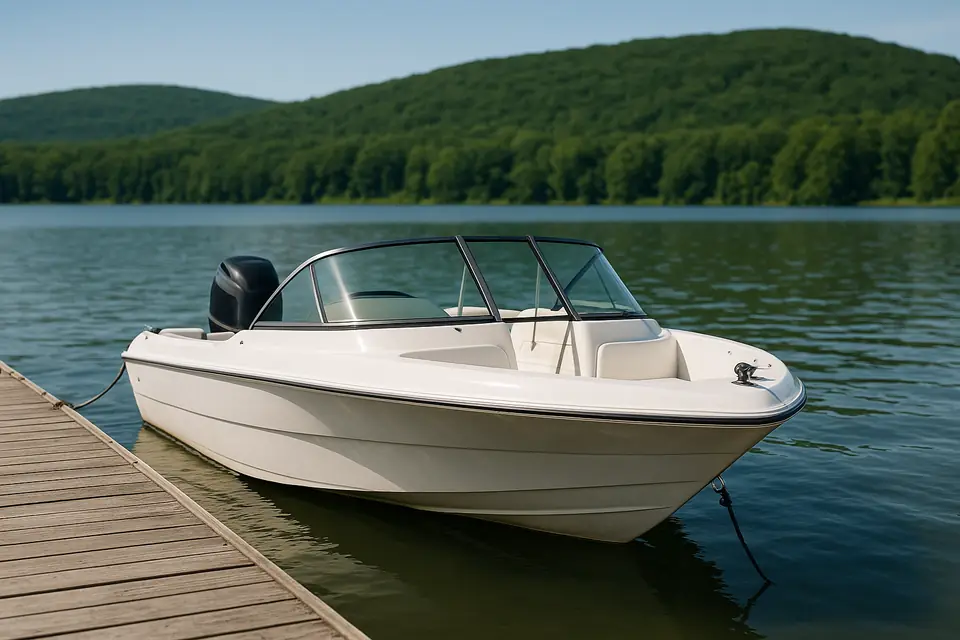
How do appraisers determine what a boat is worth in Pennsylvania?
By researching documented recent sales of comparable vessels through broker sold-boat databases, auction records, and the standard marine guides (J.D. Power/NADA Marine and ABOS Marine Blue Book), then adjusting for age, condition, engine hours, equipment, and upgrades. Multiple sources get reconciled because individual guides routinely disagree.
Do restoration records and ownership history affect a boat's appraised value?
Yes, when documented. Notable prior ownership, race history, quality restoration work, and originality can all raise value, particularly for collectible vessels, but a professional appraisal requires supporting records to credit those factors rather than taking them on faith.
When must a boat be valued for Pennsylvania inheritance tax?
Within the return deadline: the REV-1500 inheritance tax return is due nine months after the date of death, and tangible personal property including watercraft is reported at date-of-death fair market value. Transfers are taxed at 4.5%, 12%, or 15% depending on the beneficiary's relationship, so a supportable boat value directly affects the tax.
Are charter boats appraised the same way as pleasure craft in Pennsylvania?
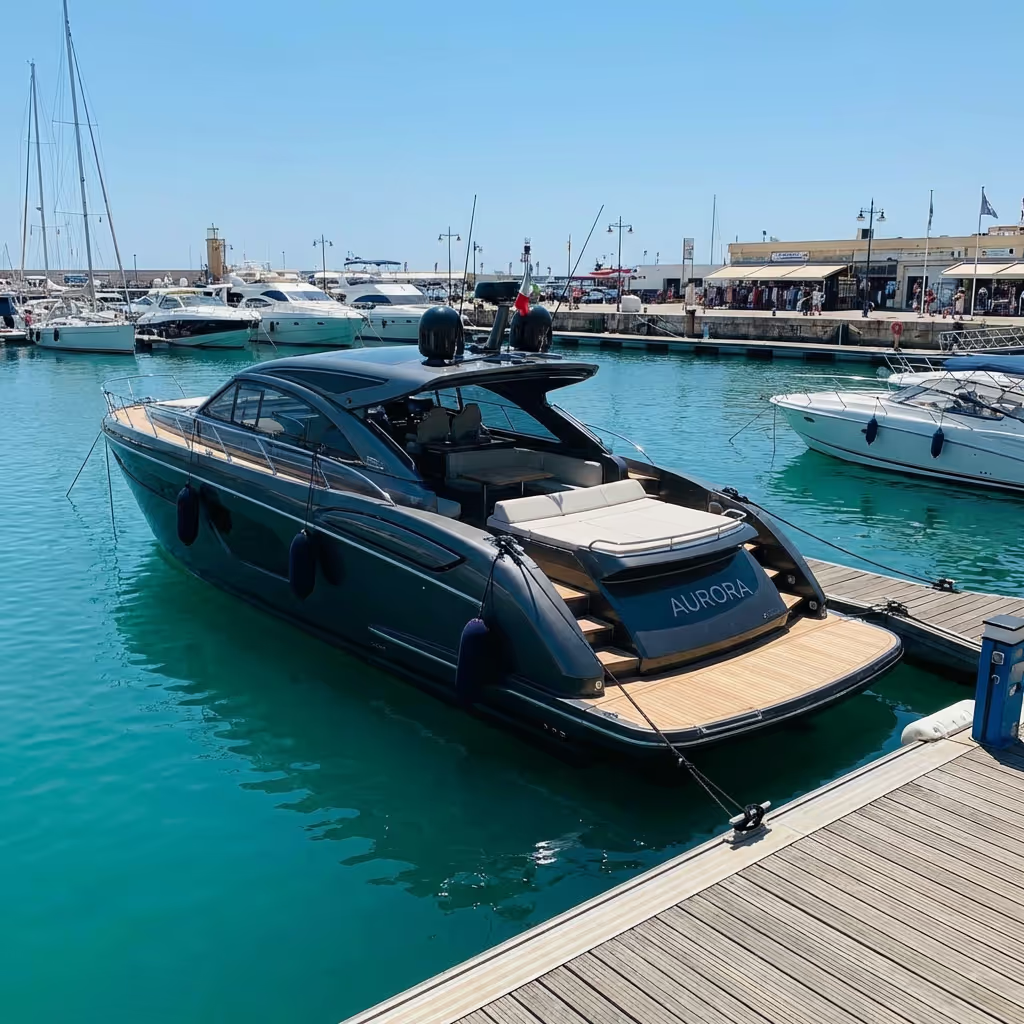
No. Commercial and charter vessels are valued on earning power: projected revenue and operating expenses capitalized into present value, the income approach reserved for working craft. Recreational boats stay with comparable sales and, for unusual vessels, cost evidence. Identifying which framework fits is the first decision in a charter boat assignment.







.jpeg)