What standard of value applies to antique guns in a divorce?
Fair market value: what a willing buyer would pay for the firearm in its current condition, not replacement cost, purchase price, or sentimental value. Courts divide economic value only, and for collectible guns, collector appeal, originality, completeness, and condition can move fair market value well above or below what an owner assumes. Our appraisers document each firearm against current used-market and realized auction evidence.
Does registration in one spouse's name make a firearm separate property?
Usually not. Classification generally turns on when the gun was acquired and what funds were used: firearms bought during the marriage with marital funds are typically divisible, while guns owned before the marriage, inherited, or received as gifts often remain separate. Registration or licensure alone rarely controls the classification.
Can firearm transfer laws complicate dividing a gun collection in divorce?
Yes. The receiving spouse must be legally eligible to possess the guns; Illinois, for example, requires a valid FOID card before firearms can be awarded. Transfers to another person may require a dealer-mediated handoff under federal and state rules, and active court orders can bar moving, concealing, or selling guns. Eligibility problems can force a buyout or sale instead of an in-kind award.
Should a gun collection be appraised piece by piece or as a whole in a divorce?
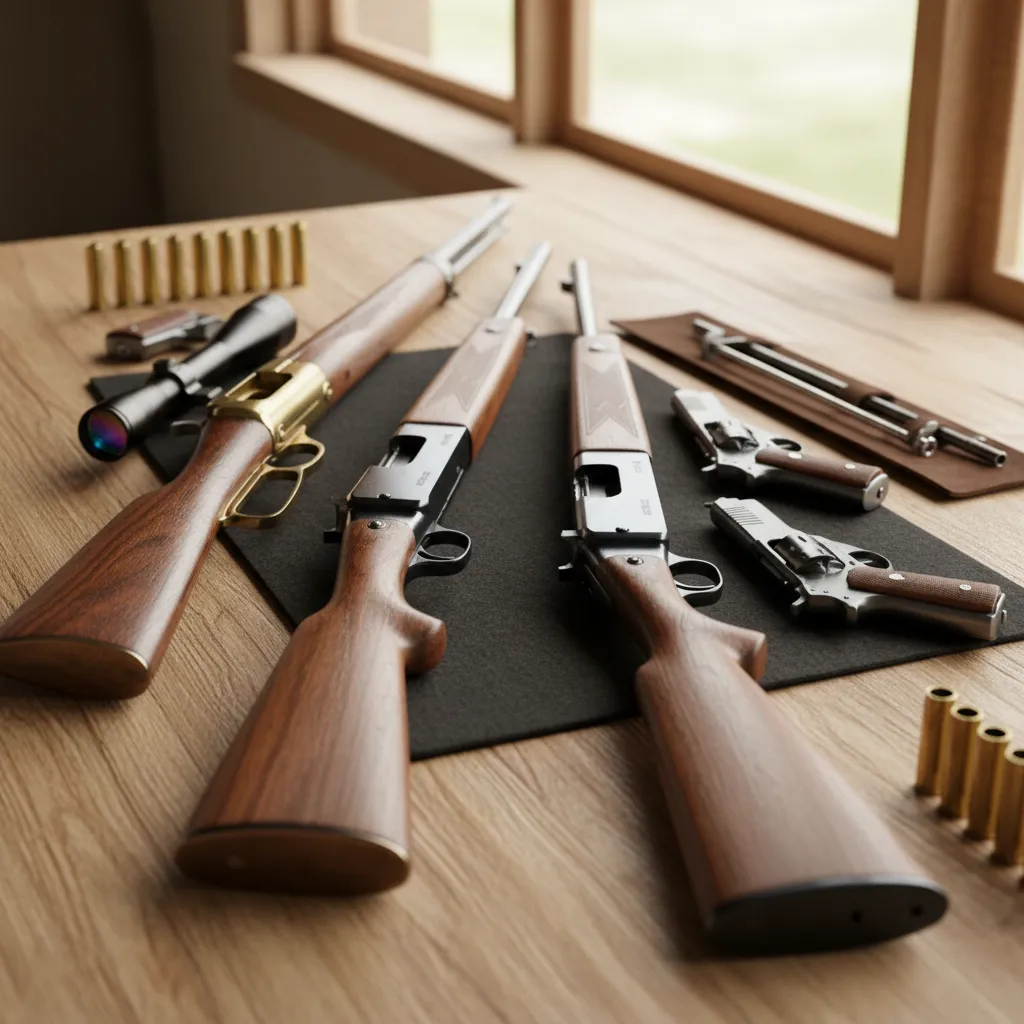
Piece by piece, with make, model, variant, serial number, dated photos, and several comparable or realized auction prices per firearm. A frequent dispute is whether the collection carries a collector premium or should be priced as individually liquidated items, and two appraisers can land far apart without documented comparables. Item-level evidence is what holds up in negotiation and in court.



.jpeg)