Are estate coins valued at face value?
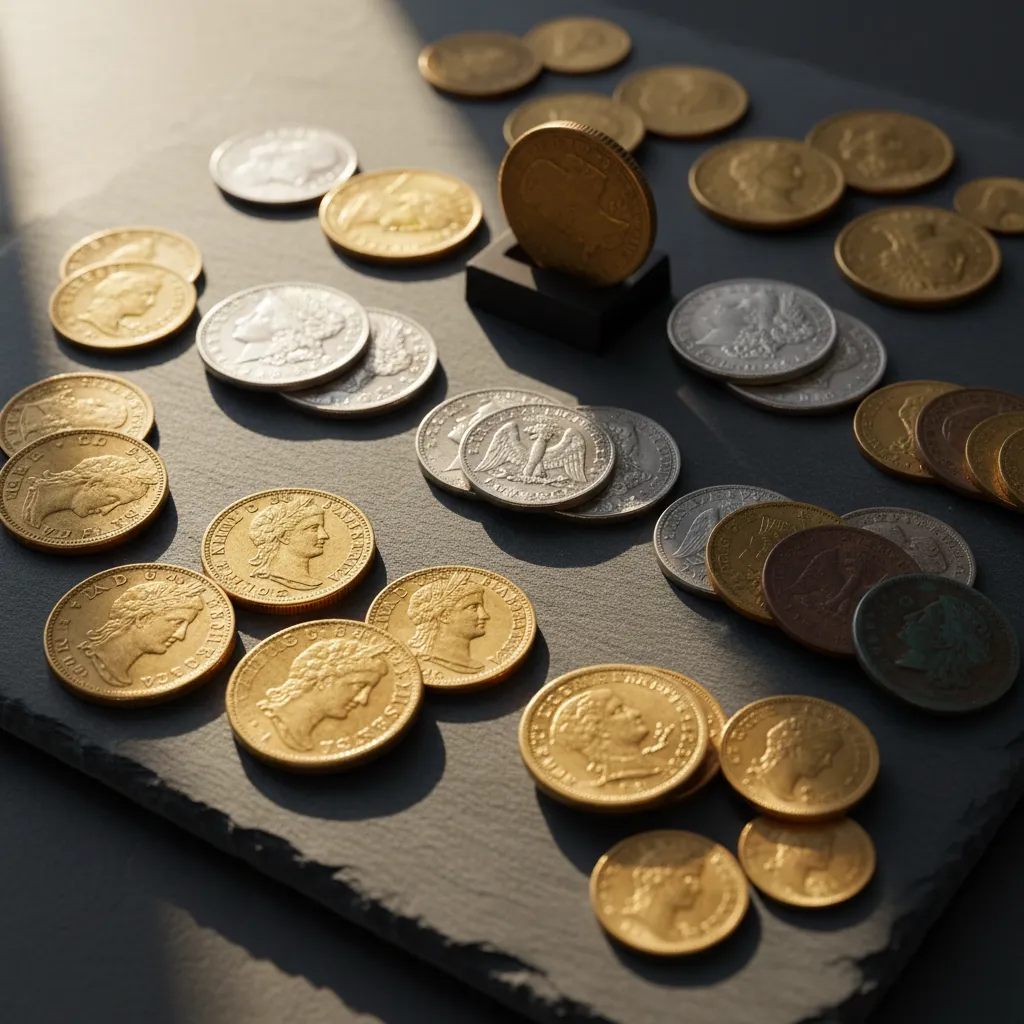
No. Revenue Ruling 78-360 holds that even legal-tender silver coins enter the gross estate at fair market value under Treasury Regulation 20.2031-1(b), and rare or numismatic coins are treated as property other than money. Inventorying key-date or graded coins at face or undifferentiated melt value is a classic error the IRS recharacterizes at much higher collectible values.
When must a coin appraisal accompany Form 706?
Once the collection's numismatic or intrinsic value exceeds about $3,000, the regulations contemplate a sworn expert appraisal attached to the return, and IRS practice expects a qualified appraisal for collectibles or similar-item groups above $5,000. The report should cover grade, mintage and rarity, certification population data, and auction comparables as of the date of death.
How is bullion handled differently from numismatic coins?
Bullion-type holdings, including pre-1965 junk silver, are valued from the published spot metal price on the date of death multiplied by documented quantity. Numismatic pieces require asset-specific evidence: condition and grading, rarity, and recent auction results, since IRS Publication 561 notes large value differences between mint-state and merely good examples of the same coin.
Do heirs need the decedent's purchase receipts?
No. Basis for inherited coins is their fair market value at death, not what the decedent paid, so original receipts are irrelevant. What heirs should document is the quantity and the date-of-death market evidence, because that stepped-up value controls both the estate reporting and the capital gain when the coins are eventually sold.



.jpeg)