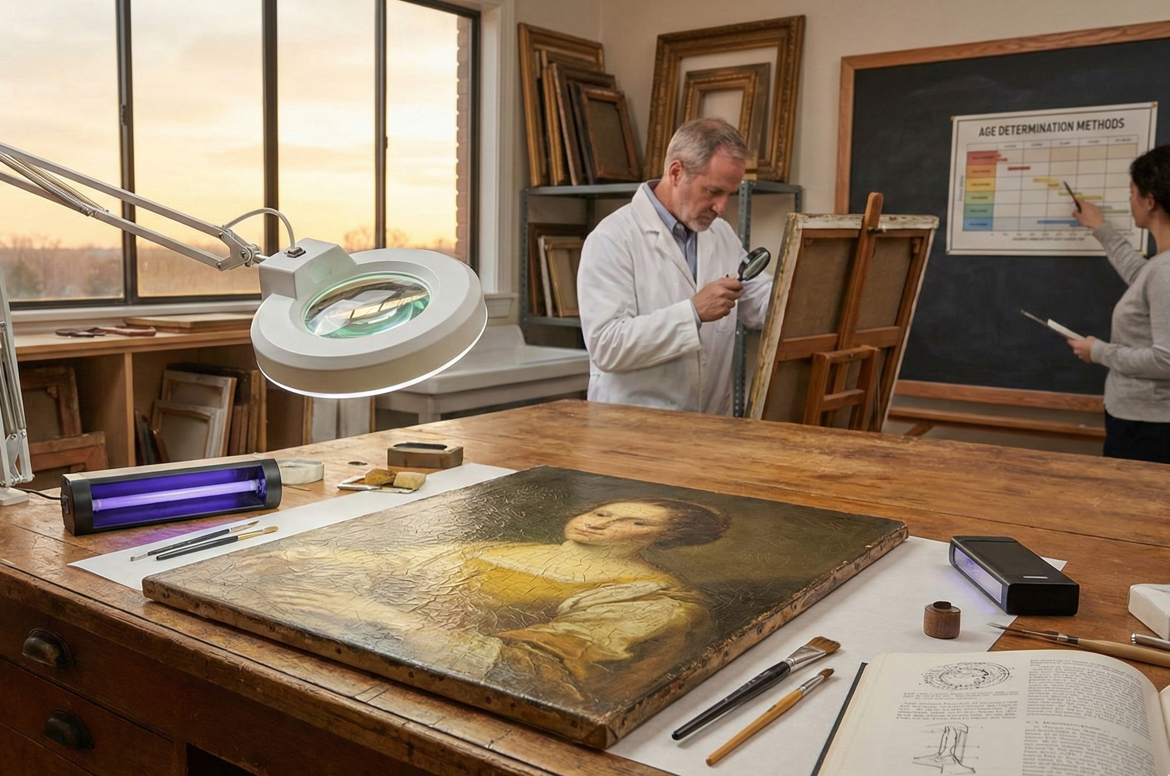
Understanding artwork appraisal value can feel overwhelming, especially when you're dealing with pieces that hold both sentimental and financial significance. Whether you're preparing for insurance coverage, estate planning, or considering a sale, getting an accurate valuation requires more than just a quick online search.
Key Insight: Professional artwork appraisals typically range from $300 to $1,000 depending on the piece's complexity, with insurance appraisals often valued 20-30% higher than fair market value to account for replacement costs.
The value of your artwork depends on multiple interconnected factors, from the artist's reputation and the piece's condition to current market trends and provenance documentation. This guide walks you through everything you need to know about artwork appraisal value, helping you make informed decisions about your collection.
Understanding what artwork appraisal really means
An artwork appraisal is a professional assessment that determines the monetary value of a piece based on current market conditions. Unlike a casual estimate, a formal appraisal follows strict industry standards and provides legally defensible documentation for insurance, tax, or legal purposes.
Professional appraisers examine your artwork both physically and through extensive research. They consider the piece's condition, authenticity, provenance, and how similar works have performed in recent sales. The appraiser also evaluates current market demand for the artist's work and the specific medium or style.
The final appraisal report includes detailed photographs, condition notes, market analysis, and a clear statement of value. This document serves as official proof of your artwork's worth for insurance companies, tax authorities, or potential buyers. For a deeper understanding of what these documents contain, explore our comprehensive guide to artwork appraisal documents.
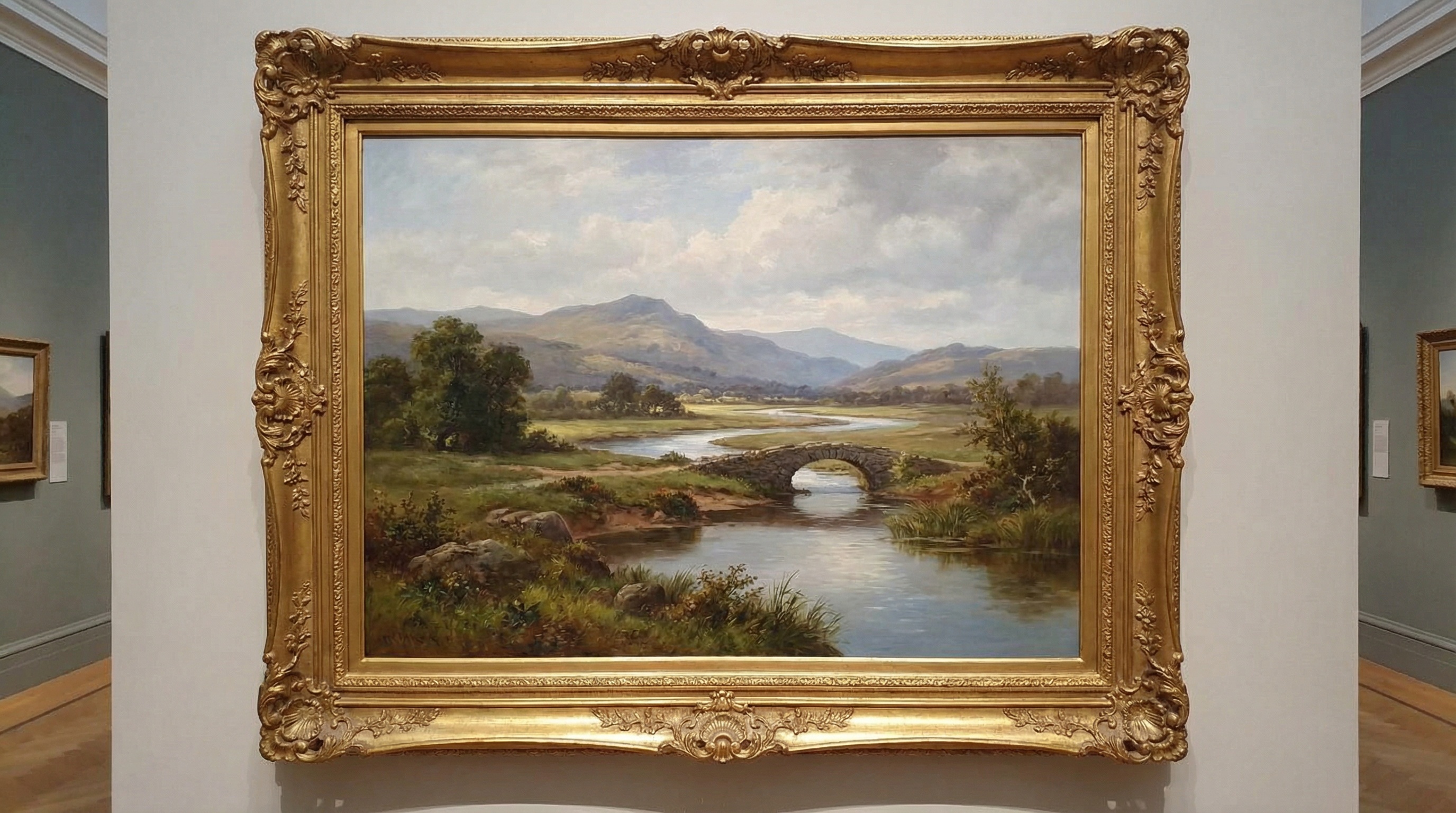
Key factors that determine your artwork's value
Several critical elements work together to establish your artwork's market value. Understanding these factors helps you better prepare for the appraisal process and set realistic expectations.
Artist reputation and market presence plays the most significant role in valuation. Established artists with strong auction records, museum representation, and critical recognition command higher prices. However, emerging artists or those experiencing renewed interest can also see substantial value increases. Learn more about how artist reputation influences art appraisals.
Condition and authenticity directly impact worth. Even minor damage, previous restoration, or questions about attribution can significantly reduce value. Appraisers carefully examine the artwork for any alterations, repairs, or signs of deterioration that might affect its market appeal. Understanding the impact of condition on artwork appraisals is crucial for collectors.
Provenance and documentation provide crucial context for valuation. A clear ownership history, especially if the piece was owned by notable collectors or exhibited in prestigious venues, can substantially increase value. Proper documentation also helps verify authenticity and supports higher valuations. Discover the role of provenance in art appraisals and its impact on value.
Market Reality: Artwork values can fluctuate significantly based on current trends, with some artists seeing 50-100% value changes within just a few years depending on market demand and cultural relevance.
Preparing effectively for your artwork appraisal
Proper preparation can save you time and money while ensuring the most accurate valuation possible. Start by gathering all available documentation about your piece, including purchase receipts, previous appraisals, exhibition catalogs, and any correspondence with galleries or dealers.
Research your artist and artwork beforehand. Look up recent auction results for similar pieces, check museum collections, and review the artist's biography and exhibition history. This background information helps you understand the context of your piece and can reveal important details about its significance.
Create a detailed condition report before the appraiser arrives. Note any visible damage, previous repairs, or changes to the original frame or mounting. Take high-quality photographs from multiple angles, including close-ups of the signature, any damage, and the back of the piece.
Consider the purpose of your appraisal when scheduling the assessment. Insurance appraisals focus on replacement value, while fair market value appraisals are used for sales or donations. Estate appraisals require specific date-of-death valuations that follow different guidelines. For step-by-step guidance, check out how to prepare for an artwork appraisal.
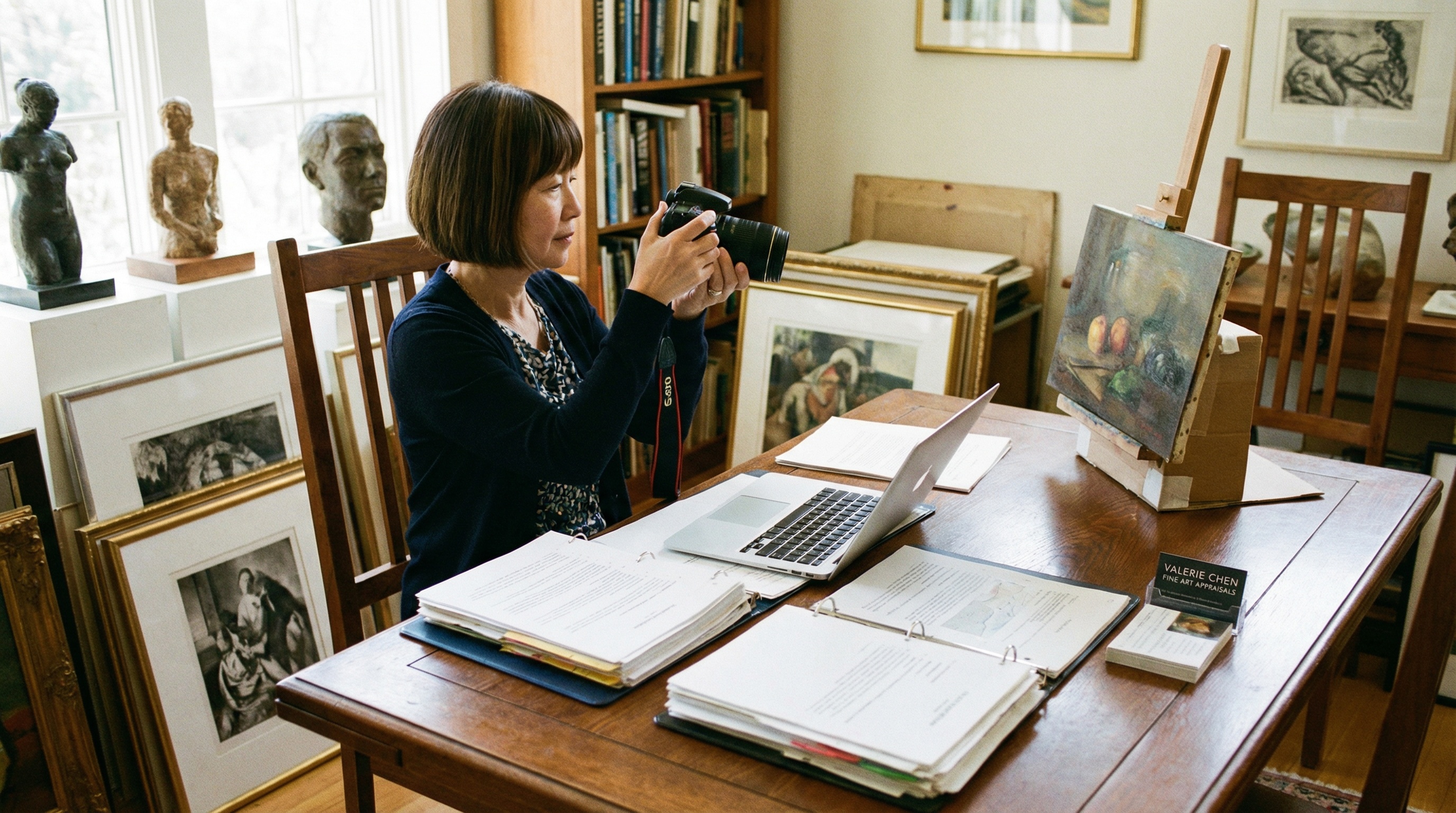
Choosing between different appraisal types and timing
Different situations require different types of appraisals, and understanding these distinctions helps you get the right valuation for your needs. Insurance appraisals typically provide the highest values because they reflect replacement costs in today's retail market, often including factors like dealer markup and regional price variations. Learn more about art appraisals and insurance coverage to protect your collection.
Fair market value appraisals represent what your artwork would likely sell for between willing buyers and sellers in the current market. These valuations are typically lower than insurance values and are used for charitable donations, estate planning, or potential sales.
| Appraisal Type | Purpose | Typical Value Range | Update Frequency |
|---|---|---|---|
| Insurance | Coverage protection | Highest (replacement cost) | Every 3-5 years |
| Fair Market | Sales/donations | Market-based | As needed |
| Estate | Tax/inheritance | Date-specific value | One-time |
Most experts recommend updating artwork appraisals every three to five years, as art markets can shift significantly over time. However, you should consider more frequent updates if your artist experiences major career developments, if there are significant changes in the art market, or if you notice substantial damage to your piece.
Professional Tip: Always hire certified appraisers who specialize in your type of artwork and hold credentials from recognized organizations like the American Society of Appraisers or International Society of Appraisers.
Getting an accurate artwork appraisal requires careful preparation, understanding of market factors, and working with qualified professionals. Whether you're protecting your investment through insurance, planning your estate, or considering a sale, a proper appraisal provides the foundation for informed decision-making about your valuable artwork. For additional insights, explore what to expect during an artwork appraisal.
Remember that artwork valuation is both an art and a science, combining objective market data with expert judgment about aesthetic and cultural significance. By understanding the process and preparing thoroughly, you can ensure that your artwork receives the accurate, professional assessment it deserves.