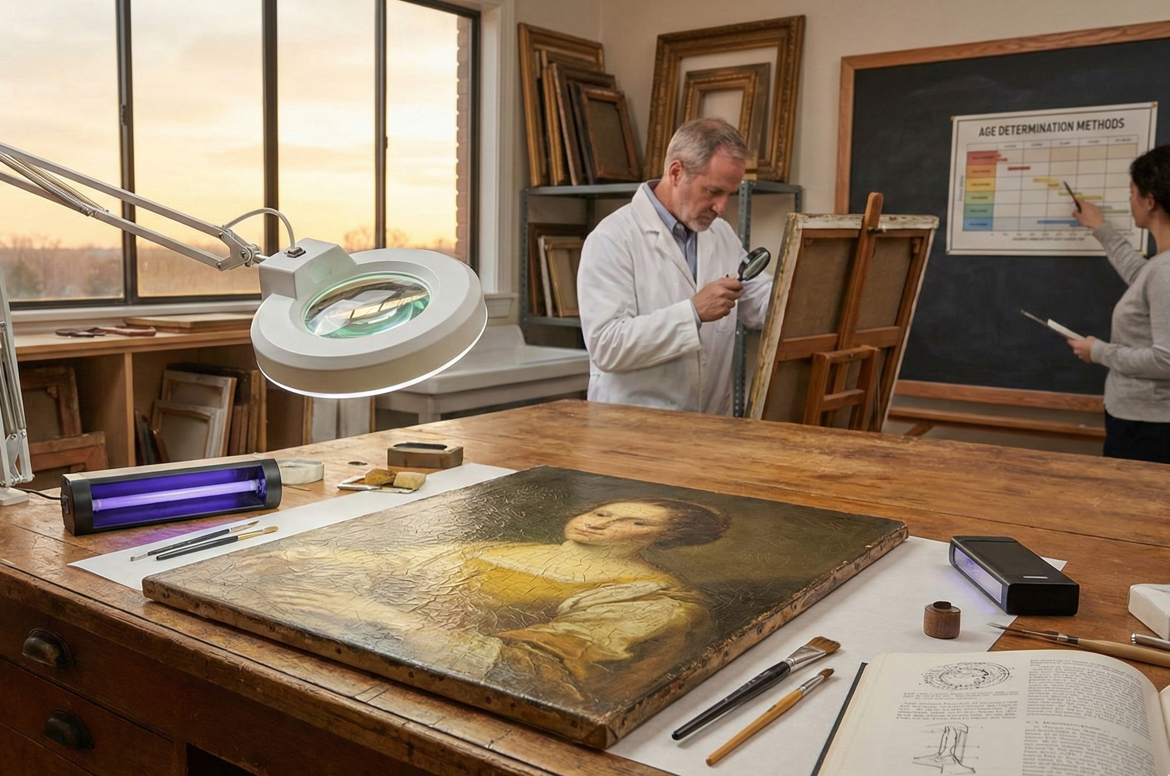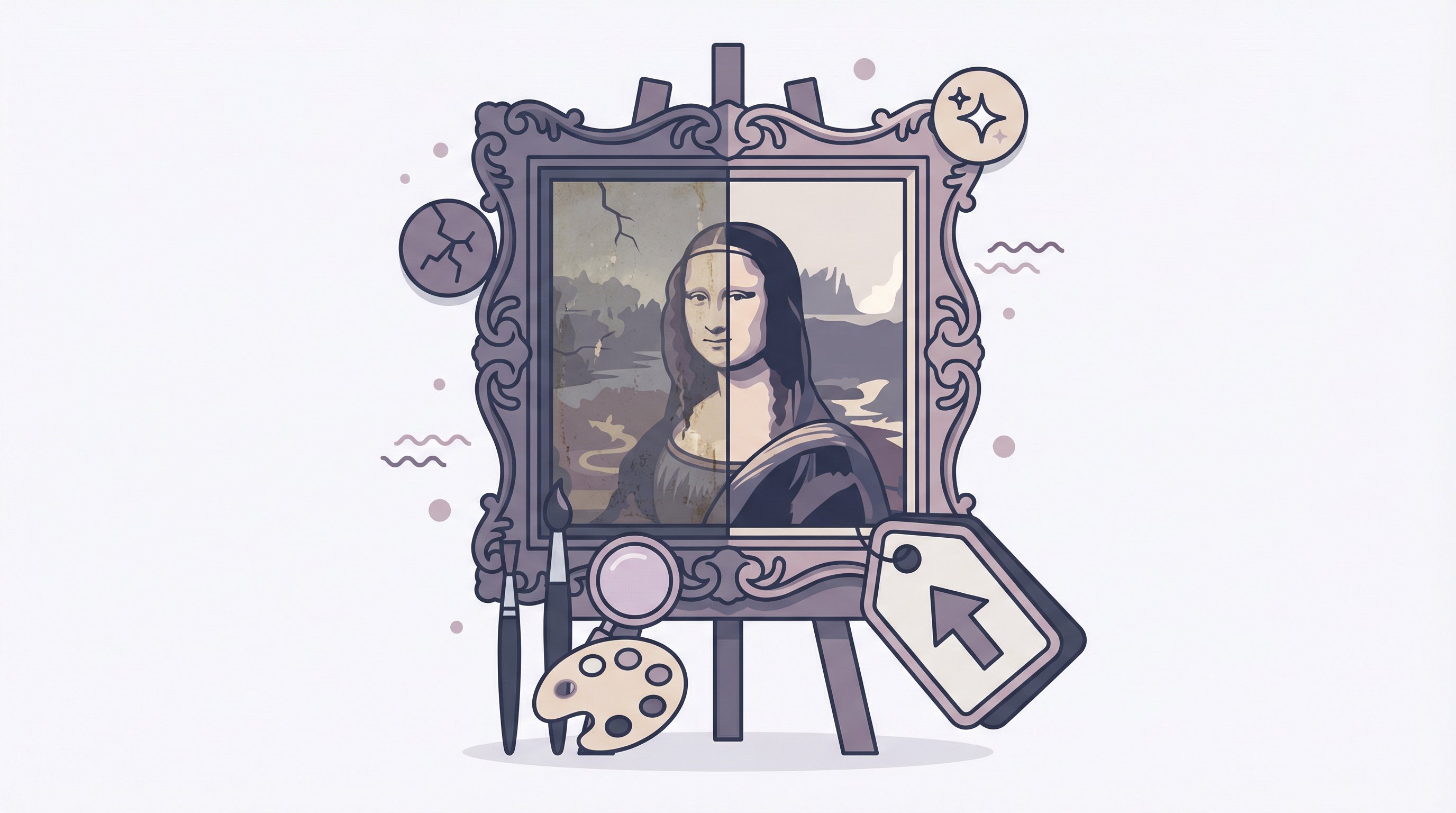
When you discover damage to a valuable painting or notice your antique sculpture showing signs of age, you face a critical decision. Should you restore it, conserve it, or leave it untouched? This choice can significantly impact your artwork's value, sometimes adding thousands of dollars or potentially reducing worth if handled incorrectly.
Art restoration and conservation treatments directly influence appraisal values, but the relationship isn't always straightforward. Professional restoration can increase value by 15-30% when done correctly, while poor restoration work can decrease value by up to 50%. Understanding these impacts helps you make informed decisions that protect both your artwork and your investment.
Key Insight: Well-documented conservation by qualified professionals typically maintains or increases artwork value, while undocumented or amateur restoration often decreases it significantly.
Understanding restoration versus conservation
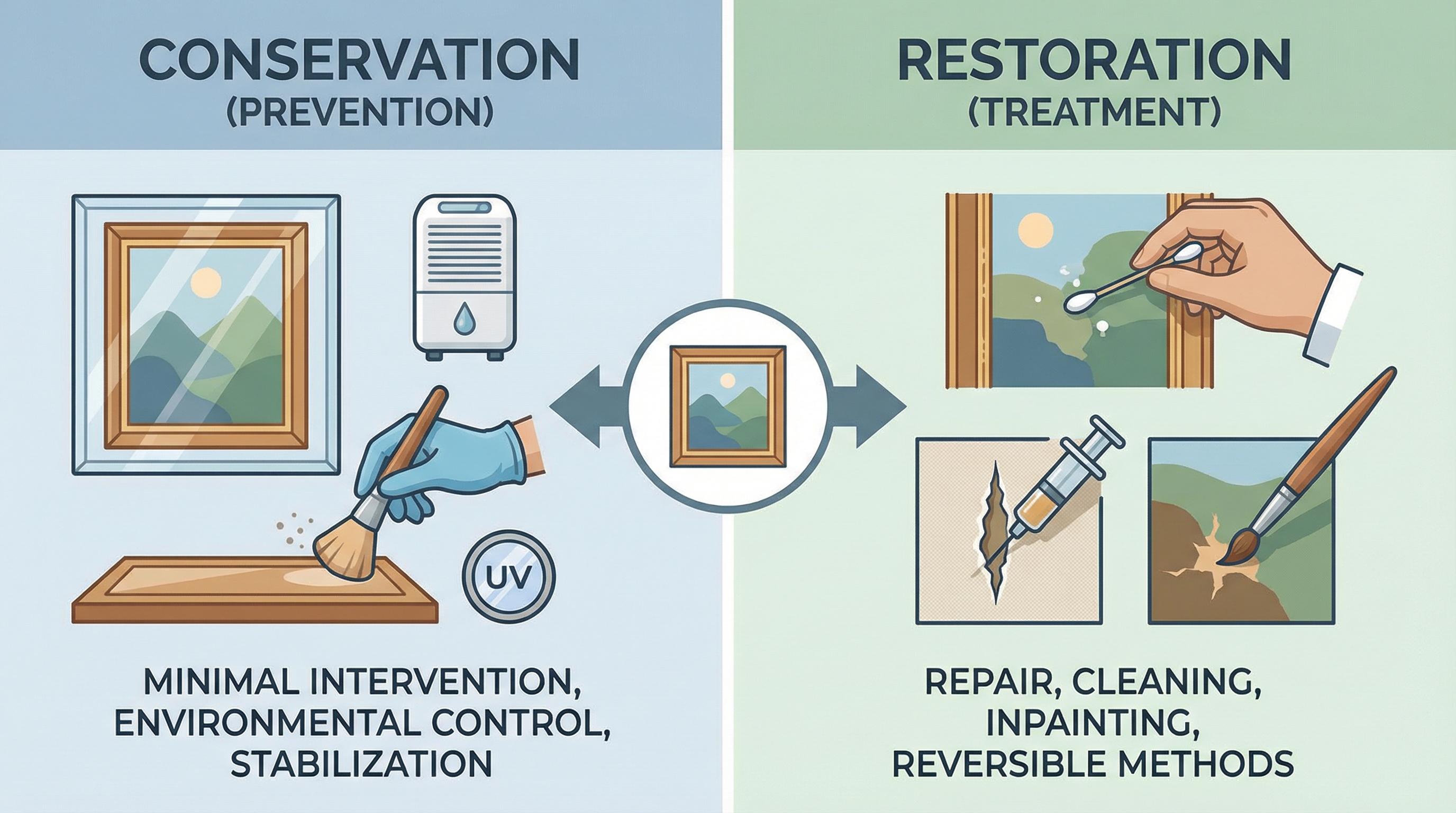
The terms "restoration" and "conservation" are often used interchangeably, but they represent fundamentally different approaches to artwork care. This distinction matters because appraisers evaluate each treatment type differently when determining value.
Conservation focuses on stabilizing artwork in its current condition and preventing further deterioration. Think of it as preventive medicine for your art. Conservators might clean surface dirt, stabilize flaking paint, or control environmental factors without altering the artwork's appearance. This approach typically maintains or enhances value because it preserves the piece's historical integrity.
Restoration involves returning artwork to a previous state, often recreating missing elements or reversing damage. A restorer might repaint damaged areas, replace missing parts, or remove previous restoration attempts. While this can dramatically improve appearance, it may reduce historical value if not done thoughtfully.
| Treatment Type | Goal | Value Impact | Documentation Needs |
|---|---|---|---|
| Conservation | Stabilize current condition | Usually positive | Detailed treatment records |
| Restoration | Return to original appearance | Variable | Before/after photos, materials used |
| Cleaning | Remove dirt and grime | Generally positive | Methods and materials documented |
The key difference lies in intent. Conservation preserves what exists, while restoration recreates what's missing. Appraisers generally view conservation more favorably because it maintains the artwork's authenticity and historical record.
Factors that increase or decrease artwork value
Several specific factors determine whether restoration or conservation work will positively or negatively impact your artwork's appraised value. Understanding these helps you make better decisions about treatment options.
Factors that typically increase value:
Professional documentation of all treatments creates a clear record that appraisers value highly. When conservators document their work with detailed reports, photographs, and material lists, it demonstrates proper care and transparency. Reversible treatments using archival materials also maintain value because future conservators can modify or remove them if needed.
Addressing structural issues before they worsen often increases value significantly. Stabilizing a painting's canvas or consolidating flaking paint prevents further damage that would be more costly to address later. Emergency stabilization work, when properly documented, shows responsible ownership.
Factors that typically decrease value:
Undocumented work creates uncertainty that appraisers must account for in their valuations. If you can't prove what treatments were performed, when, and by whom, appraisers may assume the worst-case scenario. Amateur restoration attempts, even well-intentioned ones, often use inappropriate materials or techniques that professional conservators must later reverse.
Over-restoration represents another common problem. When restorers add too much new material or alter the artwork's character significantly, they may improve appearance while reducing historical authenticity. This particularly affects antique pieces where age-related wear contributes to value, as discussed in understanding the impact of condition on artwork appraisals.
Important Note: Always obtain written treatment proposals and detailed documentation before authorizing any restoration or conservation work on valuable artwork.
When restoration or conservation becomes necessary
Deciding whether your artwork needs treatment requires careful evaluation of both its current condition and your goals as an owner. Not every artwork benefits from intervention, and sometimes the best choice is careful monitoring rather than active treatment.
Immediate intervention situations:
Active deterioration requires prompt attention to prevent total loss. Flaking paint, mold growth, or structural instability can worsen rapidly without treatment. In these cases, emergency stabilization often preserves more value than allowing continued damage.
Water damage, fire damage, or other disaster-related issues typically require professional assessment within days to prevent permanent loss. Even if the damage appears minimal, hidden problems may develop over time without proper treatment.
When to avoid treatment:
Stable condition with minor aesthetic issues often doesn't justify restoration costs. If your artwork isn't actively deteriorating and the damage doesn't significantly impact its appearance or structural integrity, treatment may not be cost-effective.
Historical patina and age-related changes sometimes contribute to value rather than detract from it. Removing these characteristics through cleaning or restoration might actually decrease worth, particularly for antique pieces where authenticity matters more than pristine appearance. This is especially important when appraising fine art for collectors and investors.
Cost-benefit considerations:
Treatment costs should align with potential value increases. If restoration would cost $5,000 but only increase value by $2,000, the economics don't support the work unless you have personal reasons for proceeding.
Choosing qualified professionals and documentation
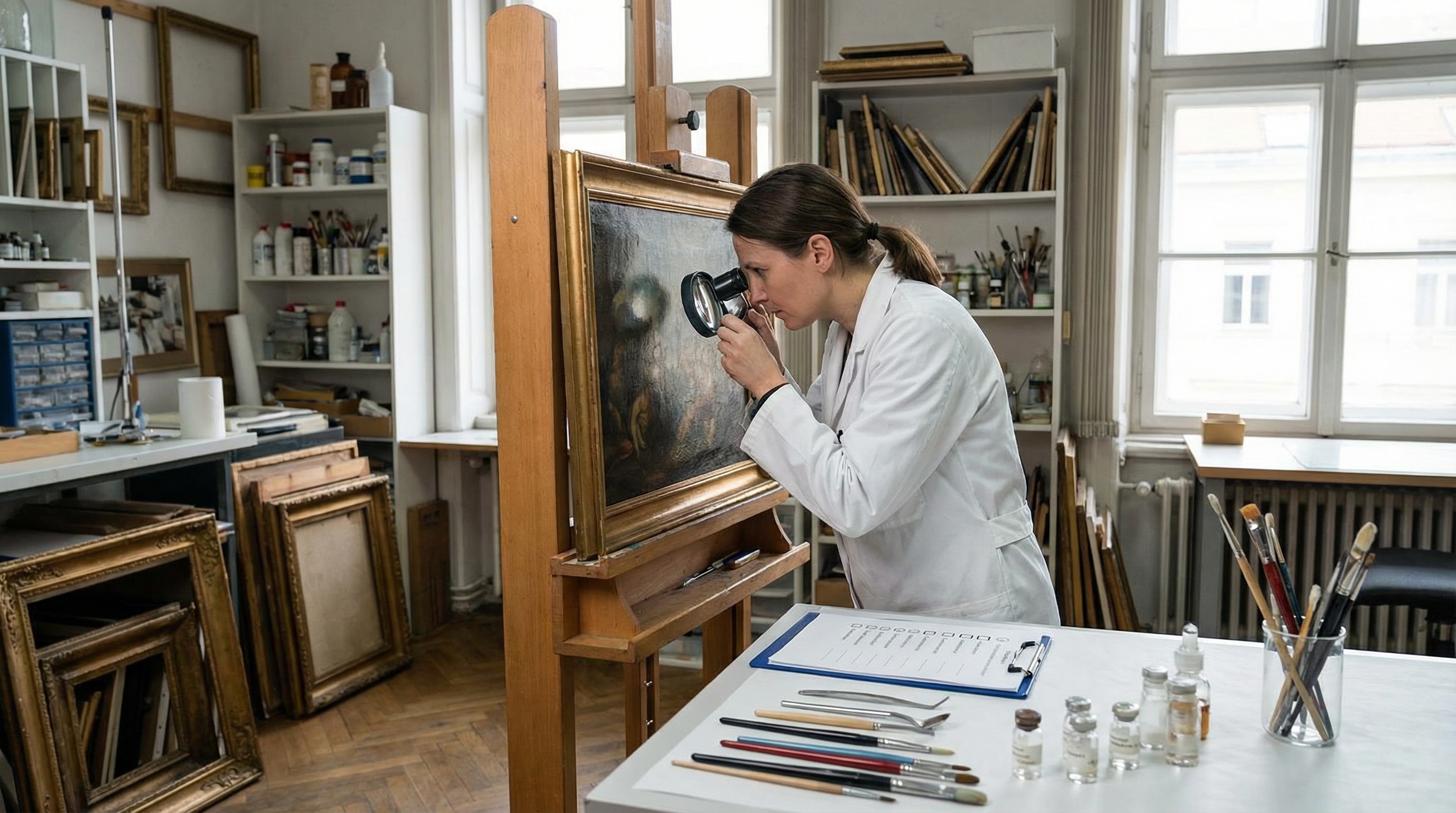
The quality of restoration or conservation work directly impacts how appraisers view the treatment's effect on value. Selecting qualified professionals and ensuring proper documentation protects your investment and provides the transparency appraisers need.
Professional qualifications to seek:
Look for conservators with formal training from recognized programs and membership in professional organizations like the American Institute for Conservation. These credentials indicate proper education and adherence to ethical standards that appraisers recognize and value. When hiring a professional for artwork appraisals, similar credentials matter just as much.
Experience with your specific type of artwork matters significantly. A paintings conservator may not be the best choice for treating sculpture, and someone specializing in contemporary art might not understand historical techniques needed for antique pieces.
Documentation requirements:
Comprehensive treatment reports should include detailed condition assessments, treatment proposals, step-by-step documentation of work performed, and high-quality before, during, and after photographs. This documentation becomes part of your artwork's permanent record and significantly influences future appraisals. Understanding artwork appraisal documents helps you ensure all necessary information is captured.
Material specifications matter because appraisers need to know what products were used and whether they meet current conservation standards. Reversible treatments using archival materials maintain more value than permanent alterations using unknown or inappropriate products.
Working with appraisers:
Consider obtaining an appraisal before treatment to establish baseline value, then again after completion to document the impact. This creates a clear record of how the work affected worth and provides valuable information for art appraisals and insurance or future sales.
Professional restoration and conservation work, when properly executed and documented, typically maintains or increases artwork value by addressing deterioration and improving stability. However, the key lies in choosing qualified professionals, maintaining detailed records, and understanding when treatment truly benefits your specific piece. By following these guidelines and preparing for an artwork appraisal, you can make informed decisions that protect both your artwork's physical condition and its financial worth, ensuring your investment remains sound for years to come.