How do appraisers establish what an antique is worth in South Carolina?
By triangulating three data types: completed auction results, active dealer offerings, and category-specific price guides, with completed sales carrying the most weight. Asking prices alone do not establish value because unsold listings often sit above what buyers actually pay, so our reports cite sale dates, venues, and realized prices for comparable pieces.
Do heirlooms need itemized values on a South Carolina estate inventory?
Mostly yes. The Inventory and Appraisement, Probate Court Form 350, is due within 90 days of the personal representative's appointment and lists the decedent's personal property at fair market value as of the date of death. Certain schedules require an itemized description without a per-item dollar value, but tangible items still must be described in reasonable detail, and hard-to-value antiques are where a formal appraisal earns its keep.
Does refinishing antique furniture before an appraisal help its value?
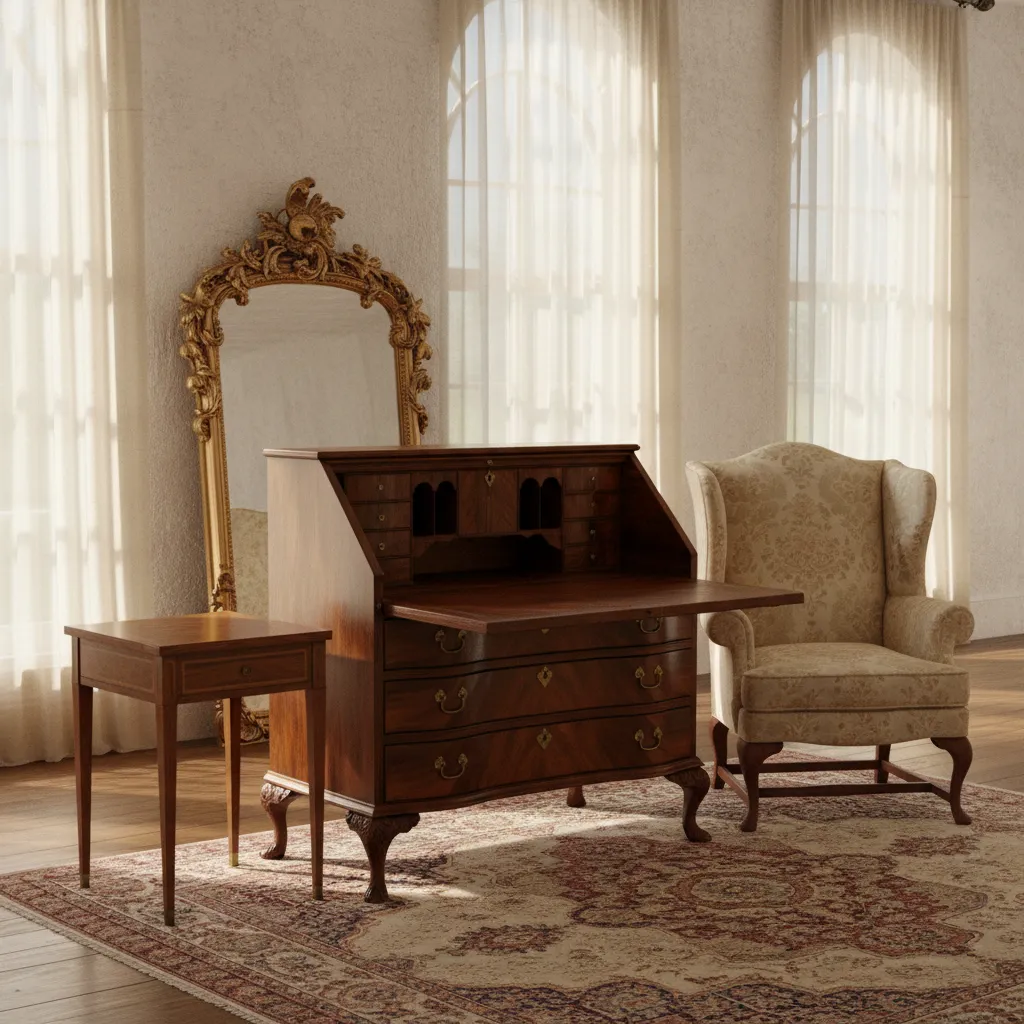
Usually the opposite. Original surface, patina, and period-consistent wear are authenticity and value indicators, and aggressive cleaning or modern refinishing can materially reduce desirability. We document any restoration in the report because comparable sales of over-restored pieces routinely show downward adjustments.
What details must an antique appraisal record to hold up?
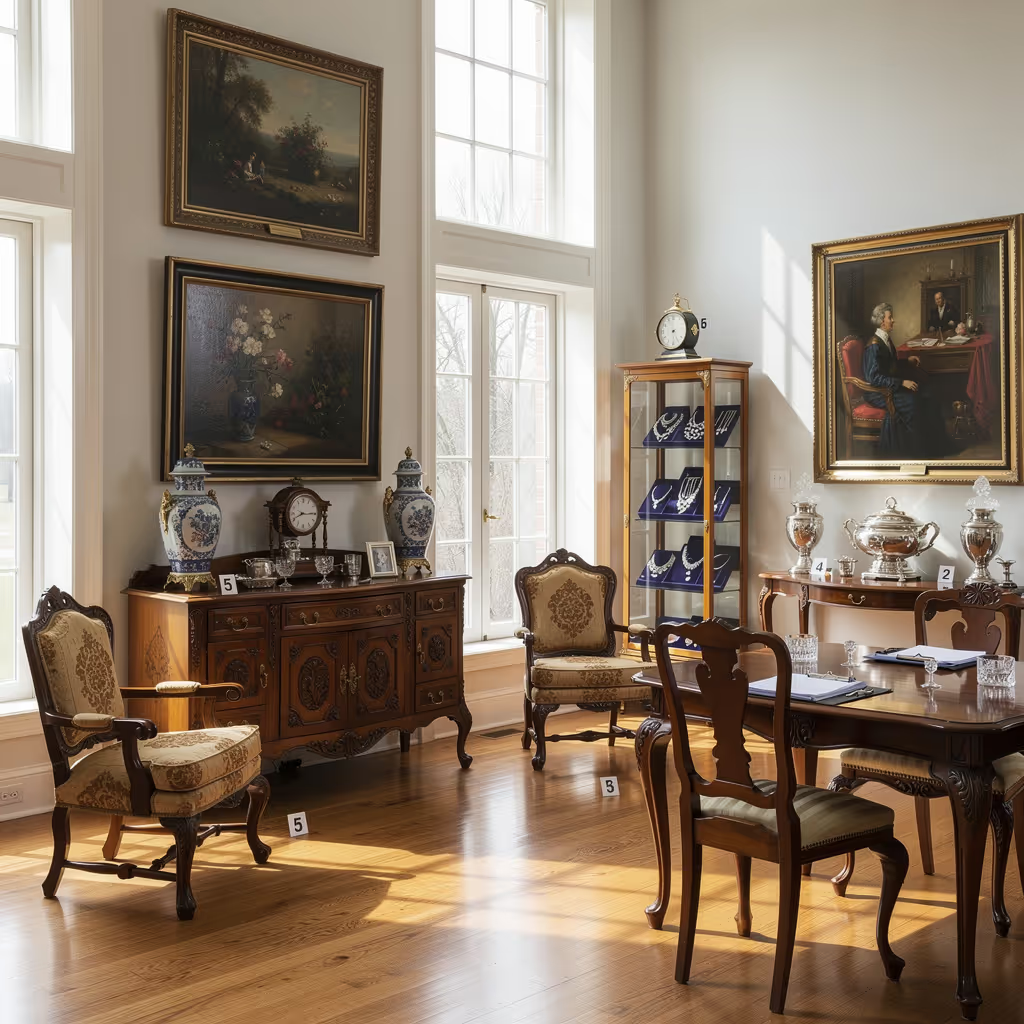
Exact dimensions, materials, maker's marks or signatures, production period, and condition including any restorations. Those attributes drive which sales genuinely compare and what adjustments apply, and misidentification can shift value dramatically. Reports that skip them read as guesses, and reviewers at insurers, courts, and the IRS treat them accordingly.







.jpeg)