How is palladium bullion appraised?
The starting point is melt value: troy weight times fineness times the palladium spot price, with pricing drawn from recognized sources such as LBMA and COMEX rather than retail price lists. From there the appraiser adjusts for form-specific premiums or discounts, bid-ask spread, and liquidity, then documents the pricing source and time of quote. Every input ties to a specific valuation date, because palladium prices move daily.
How do appraisers verify a palladium bar's purity?
X-ray fluorescence (XRF) analysis is the standard, providing a non-destructive elemental breakdown that confirms fineness and can expose discrepancies with the stamped marking. Ultrasonic testing checks density and internal structure to catch drilled or filled counterfeits, and photographed stamps, hallmarks, and mint marks confirm origin. A report that documents its testing method is far stronger than one that accepts hallmarks at face value.
Do palladium bars and coins carry premiums above melt value?
Generally only modest ones. Bullion is valued almost entirely by metal content and spot price; rarity and craftsmanship matter for numismatic pieces, not generic bars. Specific collectible issues can carry real premiums, but those are treated as a separate value component supported by auction comparables. Assuming every branded or attractive bar commands a large premium leads to overpaying, underinsuring, or misreporting.
Why do bid-ask spreads matter in a palladium bullion valuation?
Because the price bullion actually trades at differs from headline spot due to dealer spreads, transaction size, and market conditions, especially in a thinner market like palladium. A careful fair market value appraisal obtains the spot price as of the valuation date, then adjusts for premiums or discounts tied to form, liquidity, and volatility. Multiplying catalog spot by weight without documenting those inputs is methodologically weak.
What does an itemized palladium appraisal include?
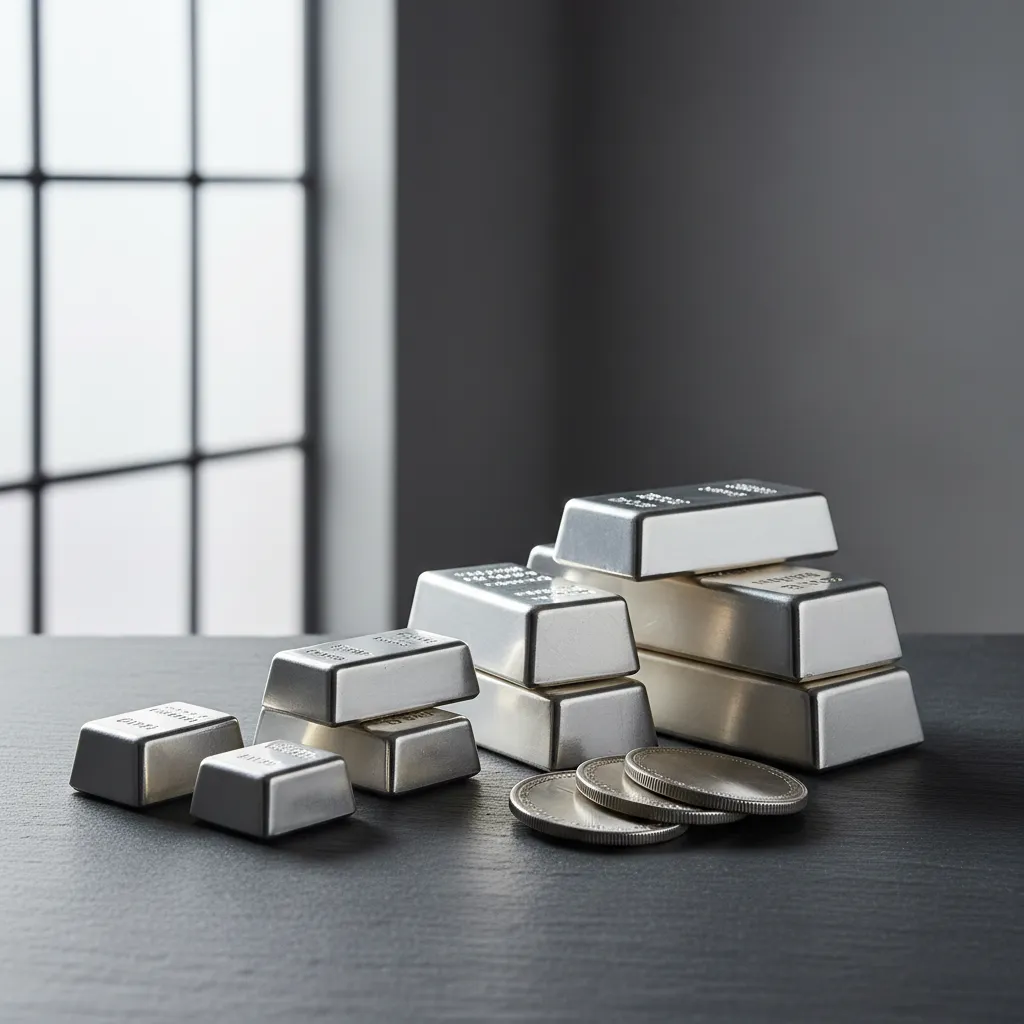
Each bar, coin, or round listed with its weight in troy ounces, stated fineness, form, photographs of stamps and hallmarks, and any assay certificates or purchase records. Items are classified by type and purity, valued individually, and aggregated into a total, alongside the market prices used and the effective date. That item-level transparency is what tax and legal users need; a single lump-sum number is not.



.jpeg)