How are rare coins graded and valued?
On the Sheldon scale, where a single grade point near thresholds like AU/MS or MS65/MS66 can swing price dramatically. Value rests on grade, rarity measured by survival at that grade, collector demand, and provenance, supported by PCGS and NGC price guides and realized prices from Heritage auction archives rather than dealer asking prices.
Should coins be cleaned before an appraisal?
Never. Cleaning, polishing, and mishandling are among the biggest value reducers appraisers see, and altered surfaces can knock a coin out of collector-grade pricing entirely. Keep coins in their original holders and retain tickets, pedigrees, and prior sale paperwork, since provenance documentation supports both authenticity and value.
When does an inherited Georgia coin collection trigger a federal estate filing?
When the gross estate exceeds the federal basic exclusion amount, $15,000,000 for deaths in 2026, requiring IRS Form 706 with coins valued item by item at fair market value on the valuation date. Georgia itself adds no estate or inheritance tax, but lump-sum estimates for a collection invite IRS scrutiny.
Is buying gold or silver coins sales-tax free in Georgia?
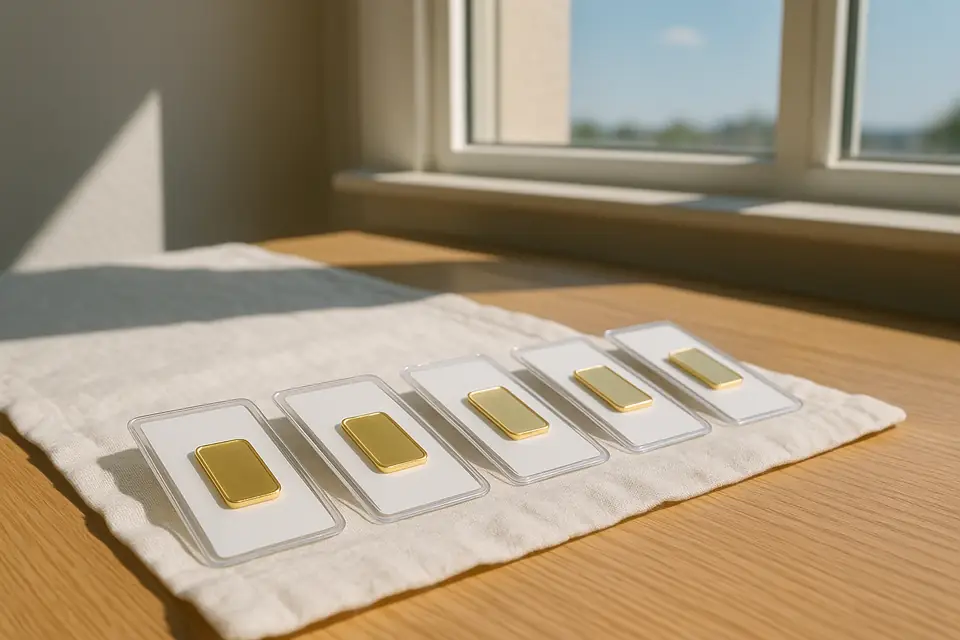
Mostly yes. Georgia Rule 560-12-2-.108 exempts bullion, meaning bars, ingots, or coins whose price depends on metal content, and legal-tender currency from sales and use tax. The exemption is narrower than many collectors assume: medals, jewelry, and works of art that incorporate coins or bullion remain taxable, and business-held metal inventory can still face property tax.
Can a Georgia will pass a coin collection through a separate written list?
Yes. Under O.C.G.A. section 53-4-5, a testator can use a separate written document, often called a tangible personal property list, to direct who receives specific items like a coin collection without formally amending the will. Item-level appraised values help the executor keep those distributions equitable among beneficiaries.











.jpeg)