How is silver bullion appraised?
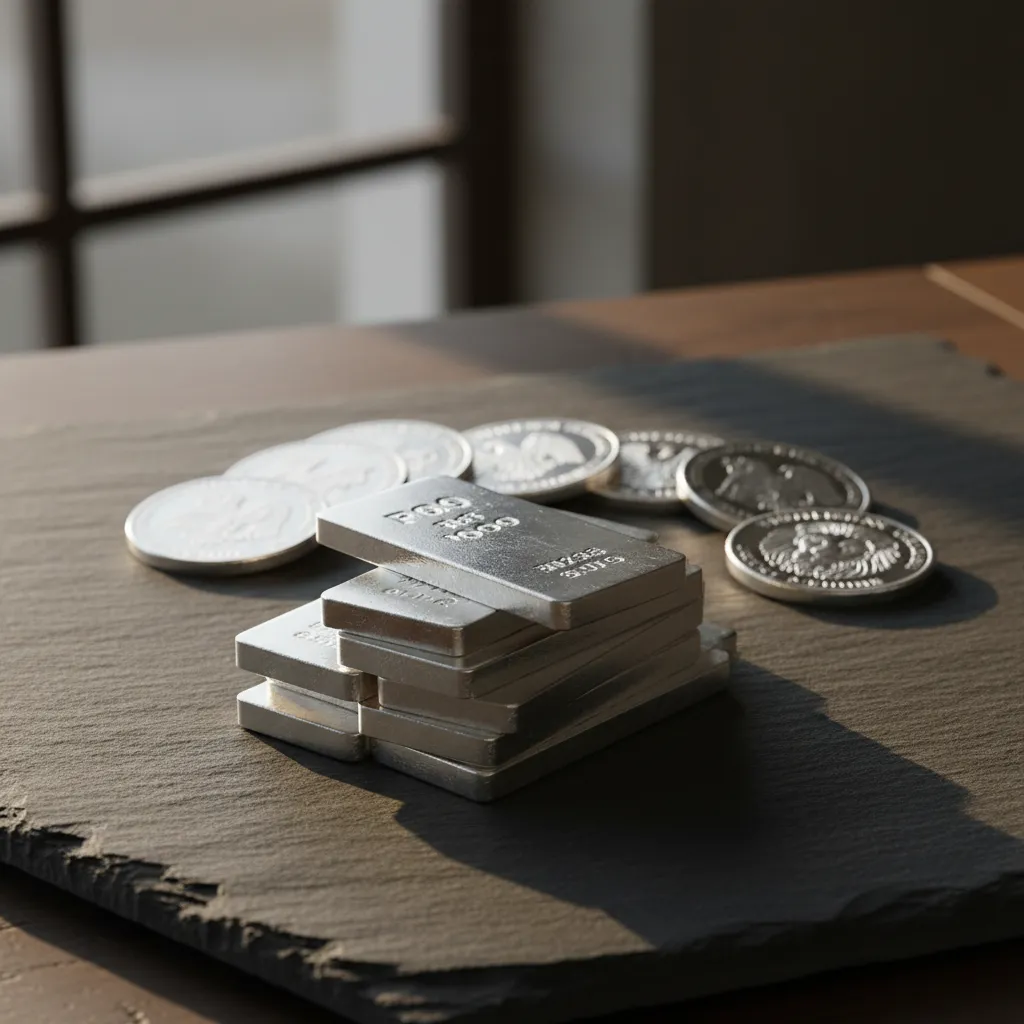
Starting from melt value: weight in troy ounces times decimal purity times the spot price on the valuation date, then adjusted for premiums or discounts on the specific form. Recognized brands, government-issued coins, and retail demand add premiums, while dealer buyback spreads mean bullion often trades around 90 to 95 percent of spot. The report documents the spot source and effective date, since silver prices change daily.
Are silver coins ever worth more than their melt value?
Yes. Collectible coins carry numismatic value driven by rarity, demand, mint year, strike quality, and historical interest, and it can exceed metal value. A report that treats every silver coin as simple melt silver can materially understate a holding. We separate bullion valued on metal content from coins that warrant collector-market research.
What evidence do appraisers need for silver bars and rounds?
Verified weight on a calibrated scale, fineness markings such as .999 or .900, and clear photos of hallmarks, assay marks, and serial numbers. Refiner identification matters because recognized names such as Johnson Matthey, Engelhard, and Perth Mint affect resale demand and premium. Damage, tampering, broken seals, or missing packaging reduce marketability and the realized premium.
Should sterling, bars, and coins be appraised as one lot?
No. Purity and marketability differ across those categories, and mixing them into a single lot without separate identification is a common way owners lose money. Sterling flatware, .999 bars, and collectible coins each need their own identification and pricing basis. Our reports classify items by type, purity, and form before aggregating a total.
Why does a silver bullion appraisal state an effective date?
Because bullion pricing changes daily, and the conclusion is only meaningful as of a specific date. Estate work in particular requires date-of-death values on Form 706 rather than generic current spot, supported by an exact inventory of holdings. A report that omits its effective date, ignores fineness, or blurs bullion and numismatic items is materially weaker for tax and legal use.



.jpeg)