How is a custom motorcycle valued when it isn’t in the book guides?
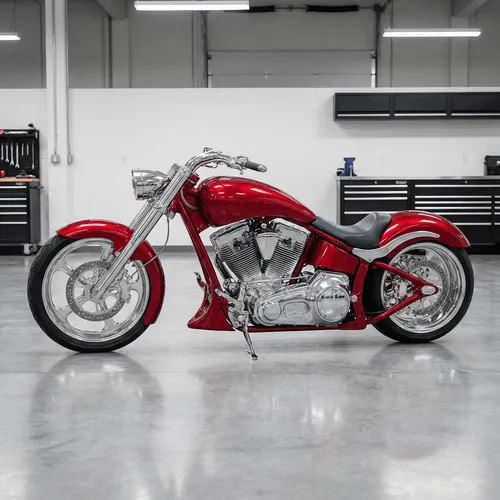
Kelley Blue Book and NADA figures for the base model serve only as a starting benchmark, or are set aside entirely for one-off builds. Our appraisers instead rely on documented build costs, comparable sales of similar custom motorcycles, and collector demand for the builder or style, reconciling sales comparison and cost evidence into a defensible conclusion.
Do custom modifications always add value?
No. Quality professional work by a recognized builder, rare components, and performance upgrades can raise value, but overly personalized paint, extreme ergonomic changes, or non-compliant exhaust and lighting shrink the buyer pool and are often discounted below a clean stock example. The appraisal weighs each modification’s market appeal, not its cost.
What documentation should I provide for a custom motorcycle appraisal?
Clear title, written build records, receipts for parts and labor, service and maintenance history, and thorough photographs of paint, frame, and components. Evidence of professional versus amateur work is often what separates a defensible agreed-value conclusion from a disputed one.
When do insurers ask for a custom motorcycle appraisal?
When you request agreed-value coverage or custom parts and equipment (CPE) limits that materially exceed standard book values for the base model. Standard actual-cash-value settlements based on book guides underestimate custom builds, so underwriters want a formal appraisal or substantial value evidence before scheduling the higher amount.
Why do local sales matter in a custom bike appraisal?
Because national book ranges miss regional supply, demand, and buyer interest. Professional practice adds analysis of several recent local listings and sales of similar bikes, which can move value 10% or more compared with book figures alone.



.jpeg)