What market data supports a boom truck appraisal?
Auction results from platforms such as Ritchie Bros. and IronPlanet, dealer listings on TruckPaper and Commercial Truck Trader, and heavy-truck price guides including the Truck Blue Book and IronGuides. From those sources we derive fair market value, orderly liquidation value, or forced liquidation value depending on the appraisal’s purpose.
What should I document before a boom truck appraisal?
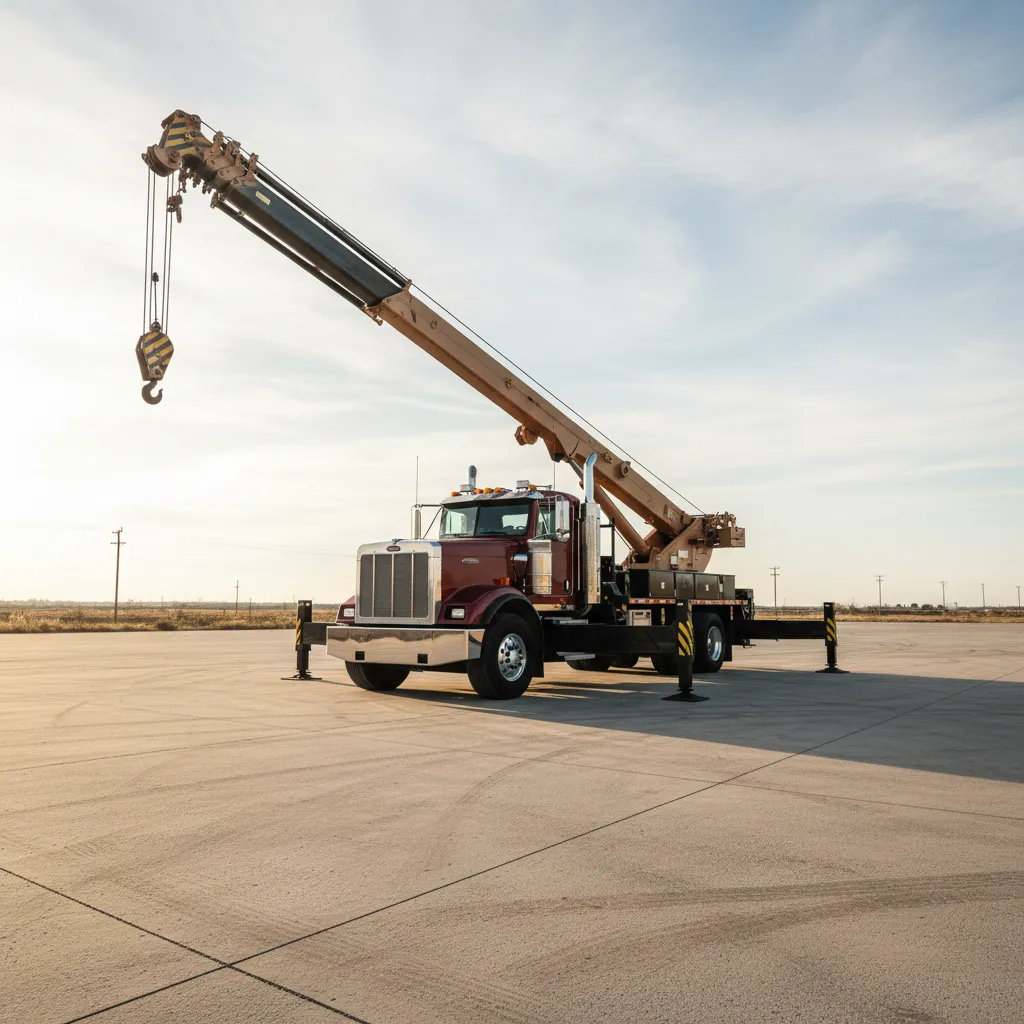
Both halves of the machine: the chassis (VIN, year, make, model, mileage) and the crane unit (make, model, rated tonnage, boom length, hours). Add load ratings, inspection or certification records, and maintenance history. Missing identification or usage data impairs comparable matching and forces more conservative depreciation assumptions.
Is my boom truck’s book value the same as its market value?
No. Book value follows accounting depreciation schedules, while market value follows secondary-market demand, condition, and obsolescence for your specific make and configuration. Relying on net book value or tax basis can misstate collateral, sale proceeds, or insured value by tens of percent.
Why can’t generic truck or crane averages price a boom truck?
Because reliable sales comparison requires matching the chassis, crane brand, capacity, boom length, age, hours, and installation configuration to recent sales of genuinely similar units. Treating a boom truck as a generic straight truck or a stand-alone crane produces values far from real market behavior and would typically fail review.
Can a boom truck be valued from the income it earns?
Only in limited cases. Income methods such as capitalization of earnings apply at the business or fleet level, where cash flows can be measured; assigning a company’s profits to one truck overstates its value. Individual boom trucks are more accurately valued through the market and cost approaches.



.jpeg)