How are tools and shop equipment appraised?
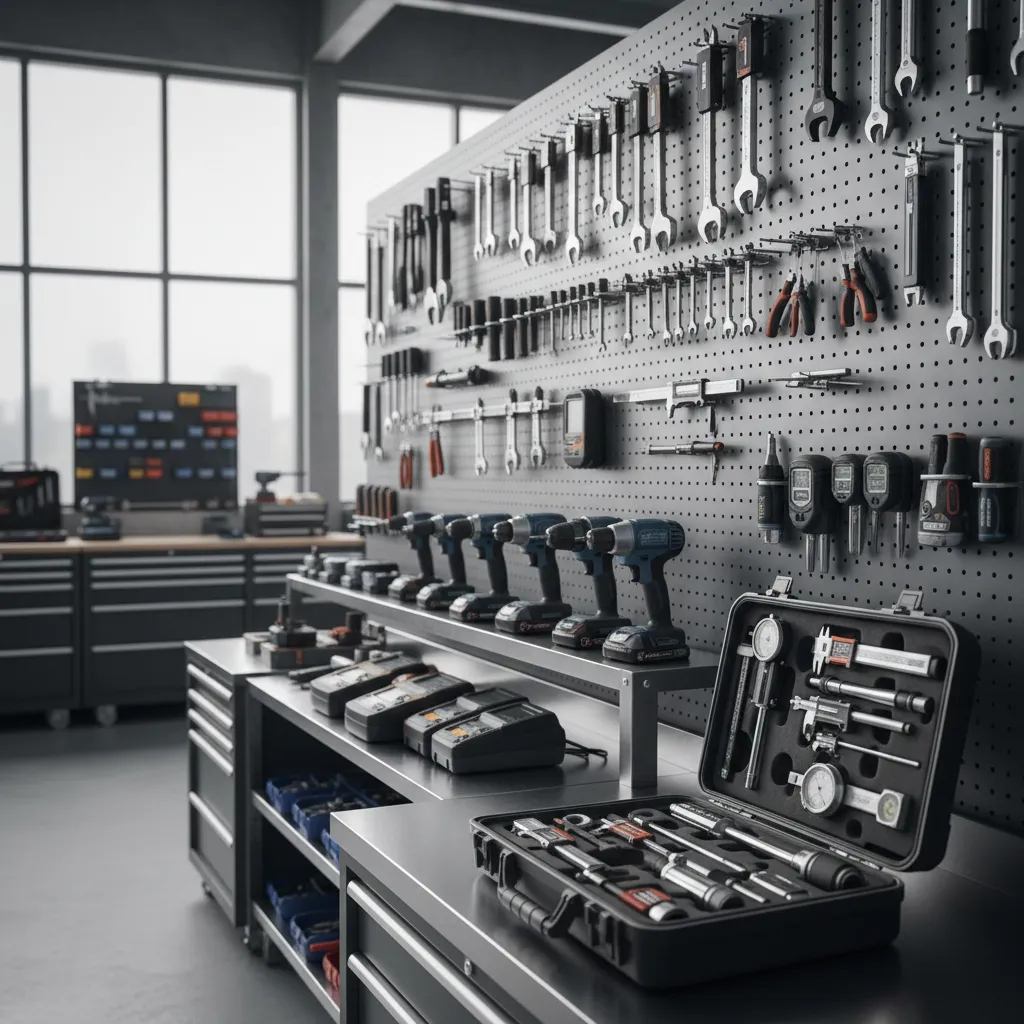
Common tools with active resale markets are valued by sales comparison against dealer listings and results from industrial auction platforms such as BidSpotter, Ritchie Bros., and Proxibid. Specialized jigs, fixtures, and shop-built tooling with sparse comparables shift to the cost approach: replacement cost new less physical, functional, and economic depreciation. The report states which route was used for each item and why.
Are fully depreciated tools worthless?
No. Tax and book depreciation schedules are accounting conventions, and older tools can be fully written off while still holding substantial resale value; conversely, newer assets can be impaired by rapid technological obsolescence. Market value comes from replacement cost and actual comparables, not the carrying value on your ledger, which is why the two often diverge sharply.
Does the IRS require a specific method for valuing donated tools?
No. IRS Publication 561 accepts comparable sales, replacement cost less depreciation, or income methods as appropriate, provided the rationale and data are documented; what matters is credibly supported fair market value. Donations of property over $5,000 additionally require a qualified appraisal and appraiser declaration on Form 8283, which commonly applies when businesses donate used tools and equipment.
When can an income approach apply to tools?
Only when the tools generate identifiable cash flow of their own, such as a rental tool fleet or leased production equipment, where future benefits can be discounted to present value. It is not practical for commodity hand tools without discrete income streams. Most tool appraisals rely on the market and cost approaches, with the report explaining why the income approach was not applied.



.jpeg)