Where do comparables for woodworking machinery come from?
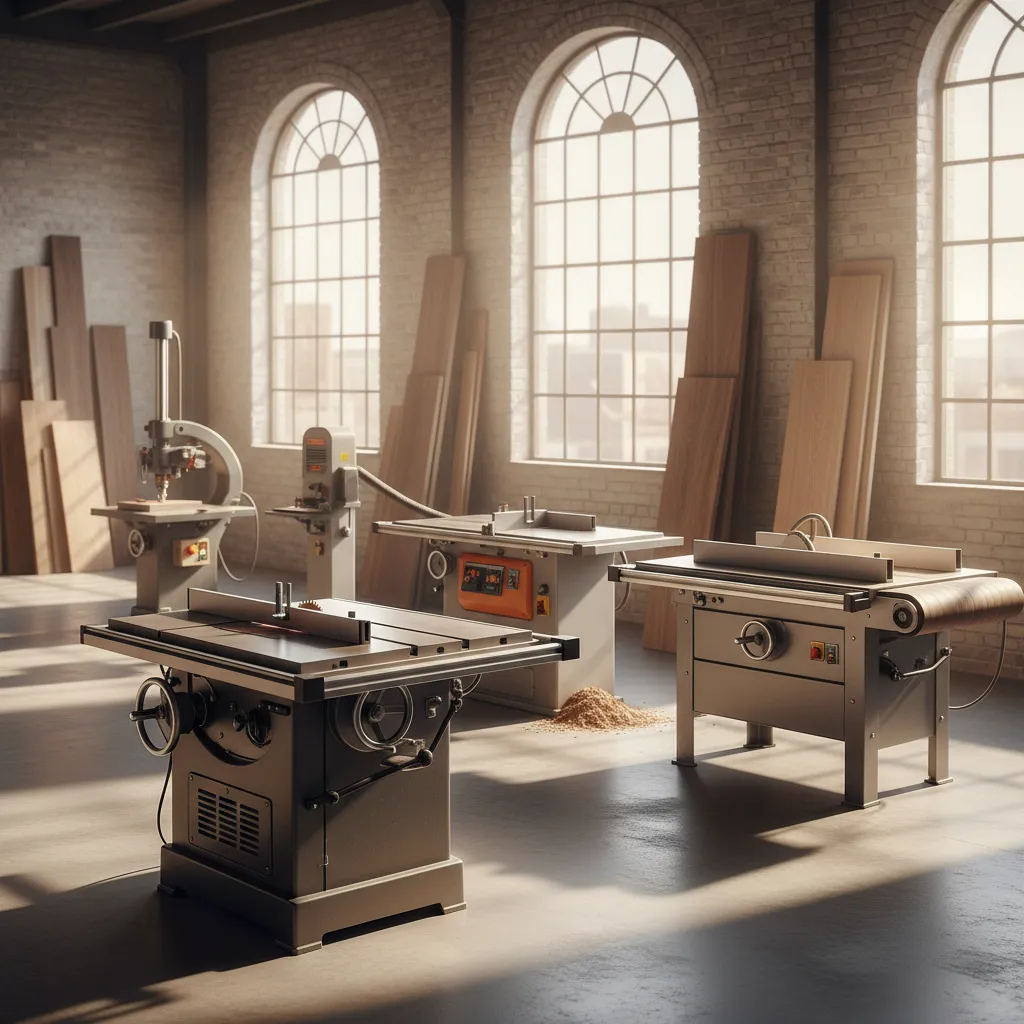
From named market sources: Surplus Record's machinery marketplace, auction platforms such as BidSpotter, dealer price lists, and industry auction houses. Table saws, planers, edge banders, and CNC routers trade actively enough that recent sales usually drive value, while specialized or custom tooling with sparse resale data shifts to replacement cost less depreciation.
How does obsolescence affect older woodworking machines?
Beyond physical wear, appraisers deduct functional and economic obsolescence: outdated controls, slower feed rates, missing current safety guards, or no dust-collection interface all reduce market desirability. A wide-belt sander or manual shaper that looks serviceable can still appraise well below expectations because buyers compare it against current-technology alternatives. Ignoring this routinely overstates value versus real auction results.
Is Form 8283 required for every woodworking equipment appraisal?
No, that is a common misunderstanding. Form 8283 applies only to noncash charitable contributions, where a qualified appraisal is required for donated property over $5,000. Appraisals for lending, divorce, insurance, or financial reporting rely on USPAP and professional valuation standards instead; there is no dedicated IRS form for equipment appraisals in general.
Can my shop's income prove what a single CNC router is worth?
No. Income methods apply only where a machine has a separable income stream, such as a leased asset. Treating the whole shop's net income as if one router or edge bander generated it misallocates business value to a single machine and typically overstates its fair market value compared with what market comparables and the cost approach support.



.jpeg)